
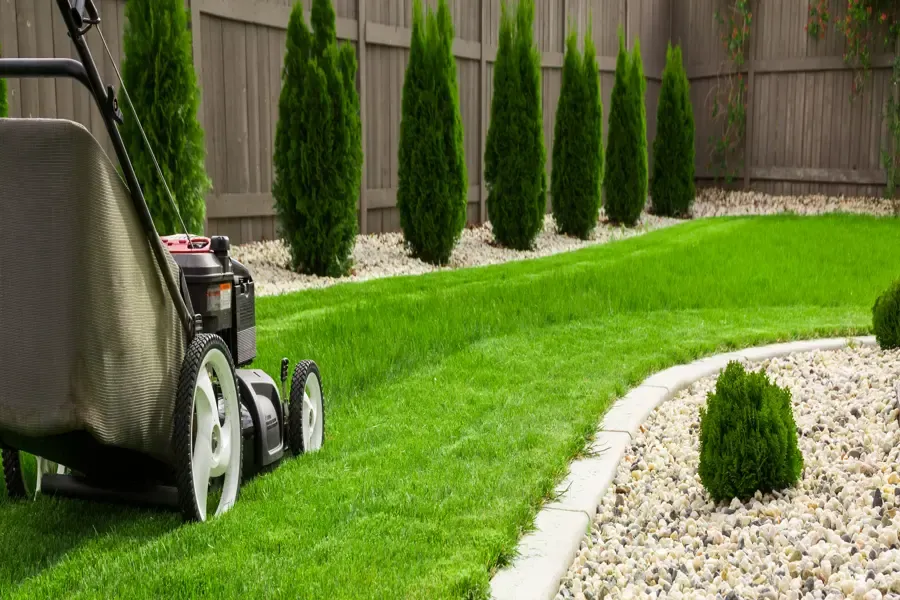
Keep mower blades sharp — dull blades tear and brown turf tips
A sharp mower blade cuts cleanly. A dull one tears the grass blade, leaving a frayed tip that turns brown, struggles to heal, and becomes an entry point for fungal disease — especially during Idaho's humid August nights.
Idaho summer lawns are already under heat stress by mid-July. Mowing with a dull blade compounds that stress significantly. A lawn mowed with a sharp blade looks visibly greener within days of switching.
Step-by-Step
- 1
Test blade sharpness before each mowing season
Pull a single grass blade across the mower blade edge (with the blade stationary and engine off). If it feels like dragging across smooth metal, it's dull. If it catches and could theoretically cut, it's serviceable.
- 2
Sharpen at the beginning of the season
Service the blade in early spring. For a typical residential lawn, one sharpening per season is the baseline. For larger properties or rocky soils, sharpen every 25 hours of use.
- 3
Look for torn vs. cut turf tips
Walk behind the mower immediately after cutting. Pull a grass blade and look at the cut end. Clean, sharp cut = sharp blade. Ragged, frayed, or torn = dull blade. The difference is visible to the naked eye.
- 4
Use a file or angle grinder for sharpening
Maintain the original bevel angle (typically 30–45°). Remove nicks and maintain an even edge. The blade doesn't need to be razor-sharp — just consistently beveled and nick-free.
- 5
Balance the blade after sharpening
An unbalanced blade causes vibration that damages the mower spindle bearings over time. Use a blade balancer cone or a nail in the wall to check. Remove material from the heavier side until it balances.
- Keep a second blade sharp and swap at mid-season — faster than sharpening mid-season and ensures you're always mowing with a sharp edge.
- Rocky soils (common on hillside properties around Post Falls) dull blades significantly faster than flat lawn areas. Check more frequently.
- If you hit a rock or solid object while mowing, stop and inspect the blade immediately. Even a small nick can cause an imbalance that damages the mower spindle.
When to Call LandscapePros
Our maintenance crews use commercial mowers with blades sharpened on a regular rotation. If your lawn has persistent browning tips or looks rough after mowing, it's worth calling to evaluate whether it's a blade, height, or disease issue.
Let us handle the whole calendar.
From spring cleanup to winter dormancy — we know what North Idaho landscapes need, season by season.
Keep mower blades sharp — dull blades tear and brown turf tips: Questions We Get Asked
Idaho summer lawns are already under heat stress by mid-July. Mowing with a dull blade compounds that stress significantly. A lawn mowed with a sharp blade looks visibly greener within days of switching.
Get Seasonal Tips