
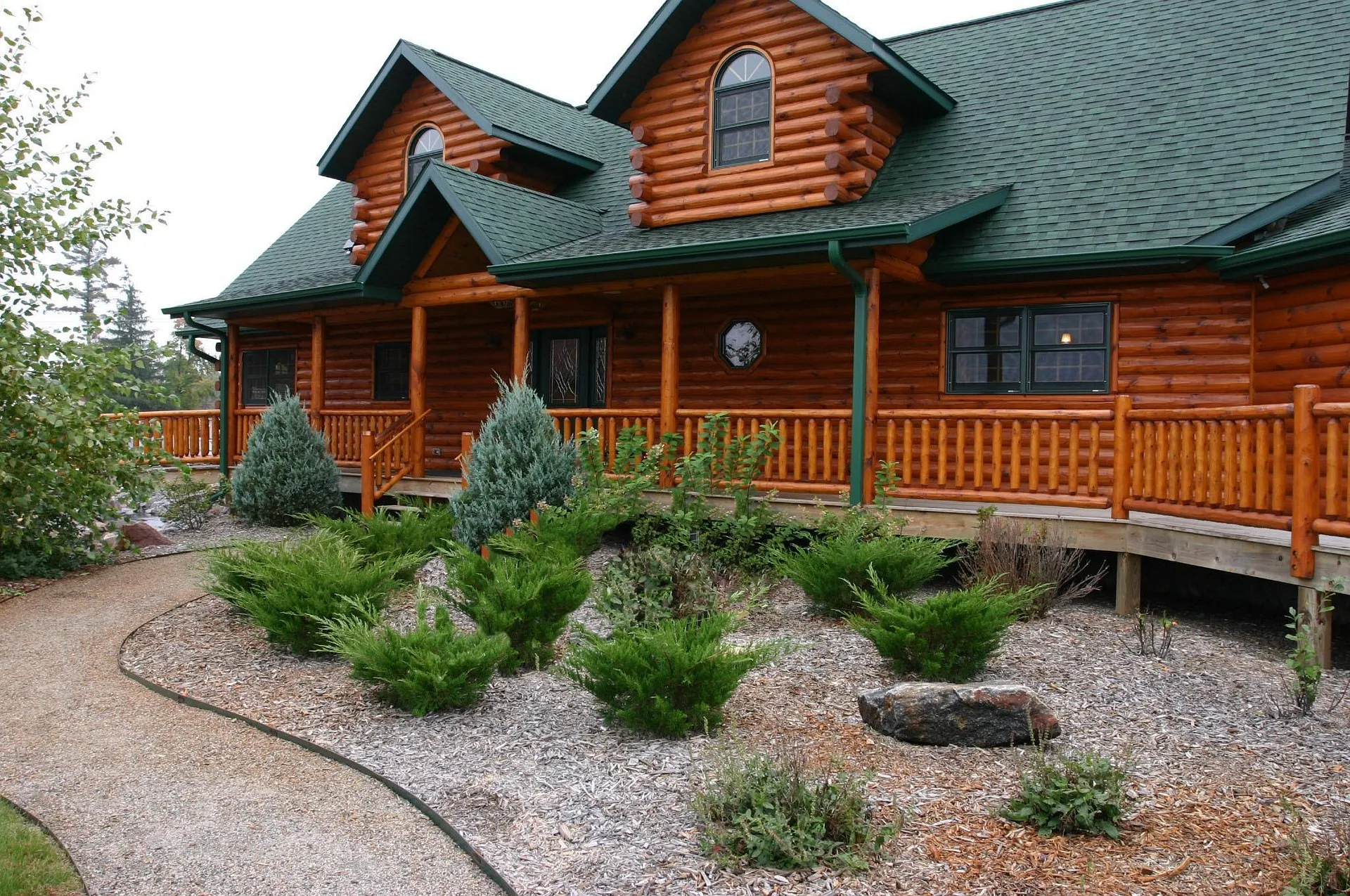
Custom Irrigation System Design & Install
A system built around your property,
not a catalog schematic.
Most irrigation problems — chronically dry corners, soggy turf next to bone-dry beds, runoff sheeting down the driveway — trace back to a design that was never designed at all. A contractor laid pipe where it was easy to trench, placed heads where they had inventory, and handed over a system that approximately covered the yard without hydraulic analysis, precipitation rate matching, or hydrozone separation.
LP's custom system design process starts with four measurements: static pressure, flow rate, soil percolation, and site grade. Every head selection, zone boundary, mainline route, and valve manifold location follows from those numbers. The result is a system where every zone performs to specification — not one that you adjust around and accept as good enough. Serving Coeur d'Alene, Post Falls, Hayden, and throughout Kootenai and Bonner Counties.
What North Idaho Says
4.8★ · 16 Google reviews
“Landscape pros and excavation is a wonderful company and their work is outstanding! The crew has a great work ethic!”
Design, excavation & crew
“This is a great company and their work is top notch. I was very impressed with the crew...”
Design, excavation & crew
Verbatim reviews from our Google Business Profile.
Six steps from site assessment
to a calibrated, running system.
Site Assessment & Hydraulic Analysis
Before a single head is specified, LP measures your static water pressure at the service entry, runs a timed flow rate test to establish GPM capacity at working pressure, evaluates soil percolation rates across turf and bed areas, and grades the site for slope and drainage patterns. These four numbers drive every design decision that follows — no guesswork, no overloaded zones, no pressure that kills heads.
Hydrozone Mapping
Turf, ornamental shrub beds, vegetable gardens, slopes, and native plantings each have distinctly different water demands — grouping them on the same zone guarantees that one area is always overwatered while another is always underwatered. LP maps hydrozones at the planning stage, physically separating plant communities by water requirement so every zone can run an optimized schedule independent of the others.
Head Selection & Precipitation Rate Matching
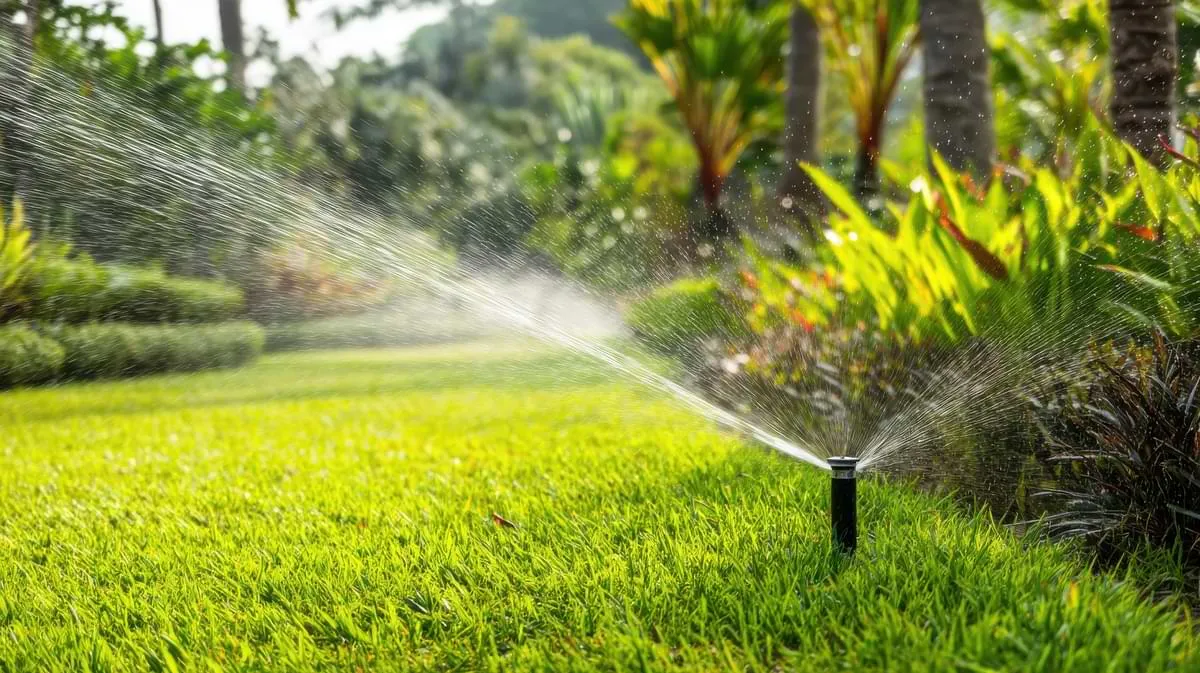
LP specifies heads by zone type: gear-driven rotors for large turf areas, MP Rotators for mid-size turf and oddly shaped areas, fixed spray heads for compact beds, and pressure-compensating emitters for slopes. Critically, precipitation rates are matched across zones on the same controller station — mismatched heads create runoff on fast-apply zones and dry spots on slow ones, a common failure in contractor-stamped DIY designs.
Mainline Design & Valve Manifold Placement
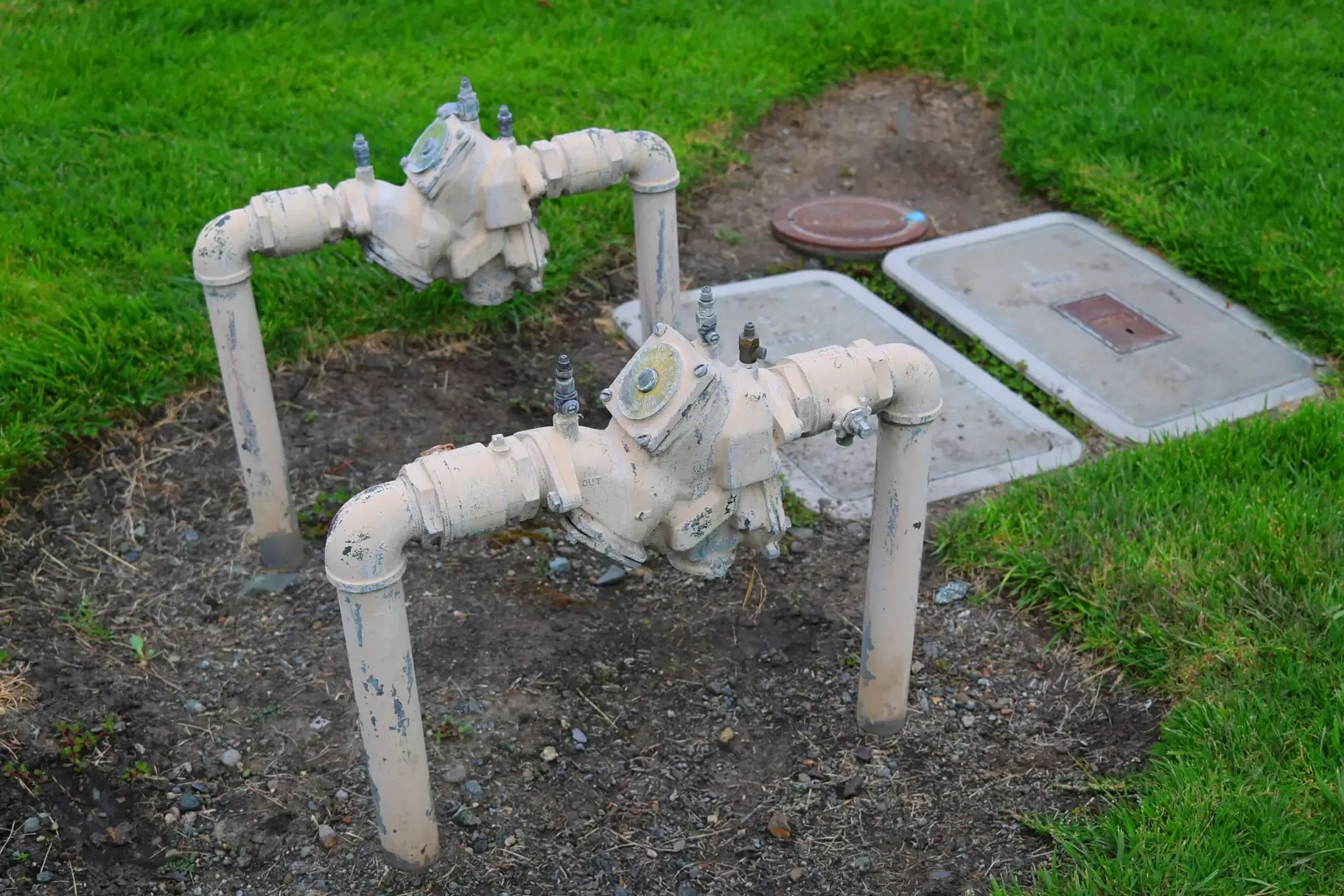
LP routes mainline in Class 200 PVC at depths that minimize friction loss and eliminate surface runs vulnerable to frost heave and mechanical damage. Valve manifolds are positioned in accessible valve boxes at logical tee points in the mainline — not buried wherever the contractor stopped digging. Each manifold location is mapped and recorded for future service access, so repairs never require excavation archaeology.
Controller Selection & Sensor Integration
LP selects controllers matched to your system's zone count, site complexity, and budget — from standalone timers with wired rain sensor add-ons to fully integrated Rachio or Hunter Hydrawise smart controllers with ET-based scheduling. Smart controller selection at the design stage costs nothing more than a standard unit and delivers 20–40% water savings over the life of the system through automated seasonal adjustment.
Installation, Pressure Testing & Final Calibration
LP trenches to frost-safe depth (minimum 12 inches in Kootenai County), uses solvent-welded schedule fittings at all mainline connections, and pressure-tests the mainline at 150 PSI for a minimum 30-minute hold before backfill. After backfill and head installation, every zone is walked, head arcs are adjusted, catch-can precipitation tests are run on turf zones, and the controller is programmed with starting seasonal schedules.
Custom systems across Kootenai County properties.
Frequently Asked Questions
Free Estimate