Placeholder image
Maintenance / Pre-Emergent Treatment

Mulch Bed Pre-Emergent Treatment

Licensed Pesticide Applicators Spring & Fall Application Windows Calibrated for North Idaho Soil Safe for Ornamentals & Shrubs Bundleable with Mulch Refresh
Driveway Base Pressure Regulating Valve Installation Real-Time Weather Monitoring Paths Native Prairie Meadow Restoration Architectural Accent Lighting Hedge Trimming Custom Irrigation System Design Continuous Concrete Edging De-Icing Hydroseeding HOA Maintenance Athletic Field Construction Slip-and-Fall Mitigation Cut/Fill Disposal Artificial Grass Ponds Softscape Installation Concrete Paving Overseeding Drip Irrigation Installation Septic System Site Prep Optimization Right-of-Way Clearing SWPPP Compliance High-Volume Pumps Fall Cleanups Relocation Mower-Edge Profiles Foundation Excavation Vegetated Green Roof Maintenance Urban Beautification Field Mowing Underground Utility Installation Slope Stabilization Bollard Light Installation Reporting Tree Ring Enclosure Bed Preparation ADA Compliance Upgrades Native Plant Design Public Works Infrastructure Redefining Drainage Invasive Species Management Restoration Textured Borders Flatwork Hearths Segmental Block Retaining Walls Creek Crossings Smart Controller Integration Dedicated Site Staging Vegetation Management Chimneys Mulch Bed Pre-Emergent Weed Treatment Calibration Structural Retaining Walls Bioswale Rain Garden Engineering Bio-Retention Cell Maintenance Commercial Turf Management Hedge Planting Driveway Accents Repair Install PICP Garden Bed Definition Pipe Repair Porter Services Valve Maintenance Seasonal Color Rotations Automated Lighting Control Systems Integrated Pest Management (IPM) Weed Control Removal Natural Boulder Retaining Walls Commercial-Grade Curbing Backflow Prevention Testing Commercial Restoration Flow Sensor Install Weather Station Bark Application Natural Stone Inlay 24/7 Zero-Tolerance Plowing Revegetation Security Perimeter Lighting Smart Central Control Systems Water Feature Excavation Bi-Weekly Lawn Care Blow-Outs Approaches Natural Stone Patios Irrigation System Retrofitting Utility Trenching Dust Control Pigmented Concrete Emergency Storm Response Annual Displays Custom Integrated Lighting Shrub Health Care Full-Scale Landscape Design Park & Playground Construction Sealing Land Clearing Energy Savings Hard Surface Maintenance Irrigation Pump Station Maintenance Detention Ponds De-Icing Liquid Brine Pre-Treatment Sidewalks Driveway Base Pressure Regulating Valve Installation Real-Time Weather Monitoring Paths Native Prairie Meadow Restoration Architectural Accent Lighting Hedge Trimming Custom Irrigation System Design Continuous Concrete Edging De-Icing Hydroseeding HOA Maintenance Athletic Field Construction Slip-and-Fall Mitigation Cut/Fill Disposal Artificial Grass Ponds Softscape Installation Concrete Paving Overseeding Drip Irrigation Installation Septic System Site Prep Optimization Right-of-Way Clearing SWPPP Compliance High-Volume Pumps Fall Cleanups Relocation Mower-Edge Profiles Foundation Excavation Vegetated Green Roof Maintenance Urban Beautification Field Mowing Underground Utility Installation Slope Stabilization Bollard Light Installation Reporting Tree Ring Enclosure Bed Preparation ADA Compliance Upgrades Native Plant Design Public Works Infrastructure Redefining Drainage Invasive Species Management Restoration Textured Borders Flatwork Hearths Segmental Block Retaining Walls Creek Crossings Smart Controller Integration Dedicated Site Staging Vegetation Management Chimneys Mulch Bed Pre-Emergent Weed Treatment Calibration Structural Retaining Walls Bioswale Rain Garden Engineering Bio-Retention Cell Maintenance Commercial Turf Management Hedge Planting Driveway Accents Repair Install PICP Garden Bed Definition Pipe Repair Porter Services Valve Maintenance Seasonal Color Rotations Automated Lighting Control Systems Integrated Pest Management (IPM) Weed Control Removal Natural Boulder Retaining Walls Commercial-Grade Curbing Backflow Prevention Testing Commercial Restoration Flow Sensor Install Weather Station Bark Application Natural Stone Inlay 24/7 Zero-Tolerance Plowing Revegetation Security Perimeter Lighting Smart Central Control Systems Water Feature Excavation Bi-Weekly Lawn Care Blow-Outs Approaches Natural Stone Patios Irrigation System Retrofitting Utility Trenching Dust Control Pigmented Concrete Emergency Storm Response Annual Displays Custom Integrated Lighting Shrub Health Care Full-Scale Landscape Design Park & Playground Construction Sealing Land Clearing Energy Savings Hard Surface Maintenance Irrigation Pump Station Maintenance Detention Ponds De-Icing Liquid Brine Pre-Treatment Sidewalks Driveway Base Pressure Regulating Valve Installation Real-Time Weather Monitoring Paths Native Prairie Meadow Restoration Architectural Accent Lighting Hedge Trimming Custom Irrigation System Design Continuous Concrete Edging De-Icing Hydroseeding HOA Maintenance Athletic Field Construction Slip-and-Fall Mitigation Cut/Fill Disposal Artificial Grass Ponds Softscape Installation Concrete Paving Overseeding Drip Irrigation Installation Septic System Site Prep Optimization Right-of-Way Clearing SWPPP Compliance High-Volume Pumps Fall Cleanups Relocation Mower-Edge Profiles Foundation Excavation Vegetated Green Roof Maintenance Urban Beautification Field Mowing Underground Utility Installation Slope Stabilization Bollard Light Installation Reporting Tree Ring Enclosure Bed Preparation ADA Compliance Upgrades Native Plant Design Public Works Infrastructure Redefining Drainage Invasive Species Management Restoration Textured Borders Flatwork Hearths Segmental Block Retaining Walls Creek Crossings Smart Controller Integration Dedicated Site Staging Vegetation Management Chimneys Mulch Bed Pre-Emergent Weed Treatment Calibration Structural Retaining Walls Bioswale Rain Garden Engineering Bio-Retention Cell Maintenance Commercial Turf Management Hedge Planting Driveway Accents Repair Install PICP Garden Bed Definition Pipe Repair Porter Services Valve Maintenance Seasonal Color Rotations Automated Lighting Control Systems Integrated Pest Management (IPM) Weed Control Removal Natural Boulder Retaining Walls Commercial-Grade Curbing Backflow Prevention Testing Commercial Restoration Flow Sensor Install Weather Station Bark Application Natural Stone Inlay 24/7 Zero-Tolerance Plowing Revegetation Security Perimeter Lighting Smart Central Control Systems Water Feature Excavation Bi-Weekly Lawn Care Blow-Outs Approaches Natural Stone Patios Irrigation System Retrofitting Utility Trenching Dust Control Pigmented Concrete Emergency Storm Response Annual Displays Custom Integrated Lighting Shrub Health Care Full-Scale Landscape Design Park & Playground Construction Sealing Land Clearing Energy Savings Hard Surface Maintenance Irrigation Pump Station Maintenance Detention Ponds De-Icing Liquid Brine Pre-Treatment Sidewalks Driveway Base Pressure Regulating Valve Installation Real-Time Weather Monitoring Paths Native Prairie Meadow Restoration Architectural Accent Lighting Hedge Trimming Custom Irrigation System Design Continuous Concrete Edging De-Icing Hydroseeding HOA Maintenance Athletic Field Construction Slip-and-Fall Mitigation Cut/Fill Disposal Artificial Grass Ponds Softscape Installation Concrete Paving Overseeding Drip Irrigation Installation Septic System Site Prep Optimization Right-of-Way Clearing SWPPP Compliance High-Volume Pumps Fall Cleanups Relocation Mower-Edge Profiles Foundation Excavation Vegetated Green Roof Maintenance Urban Beautification Field Mowing Underground Utility Installation Slope Stabilization Bollard Light Installation Reporting Tree Ring Enclosure Bed Preparation ADA Compliance Upgrades Native Plant Design Public Works Infrastructure Redefining Drainage Invasive Species Management Restoration Textured Borders Flatwork Hearths Segmental Block Retaining Walls Creek Crossings Smart Controller Integration Dedicated Site Staging Vegetation Management Chimneys Mulch Bed Pre-Emergent Weed Treatment Calibration Structural Retaining Walls Bioswale Rain Garden Engineering Bio-Retention Cell Maintenance Commercial Turf Management Hedge Planting Driveway Accents Repair Install PICP Garden Bed Definition Pipe Repair Porter Services Valve Maintenance Seasonal Color Rotations Automated Lighting Control Systems Integrated Pest Management (IPM) Weed Control Removal Natural Boulder Retaining Walls Commercial-Grade Curbing Backflow Prevention Testing Commercial Restoration Flow Sensor Install Weather Station Bark Application Natural Stone Inlay 24/7 Zero-Tolerance Plowing Revegetation Security Perimeter Lighting Smart Central Control Systems Water Feature Excavation Bi-Weekly Lawn Care Blow-Outs Approaches Natural Stone Patios Irrigation System Retrofitting Utility Trenching Dust Control Pigmented Concrete Emergency Storm Response Annual Displays Custom Integrated Lighting Shrub Health Care Full-Scale Landscape Design Park & Playground Construction Sealing Land Clearing Energy Savings Hard Surface Maintenance Irrigation Pump Station Maintenance Detention Ponds De-Icing Liquid Brine Pre-Treatment Sidewalks
The Window That Matters

Weeds have a schedule.
Beat them to it.

Every spring, crabgrass, spurge, and a dozen other annual weed species are dormant in your soil — waiting for soil temps to cross 50°F. That germination window opens and closes in a matter of weeks. Pre-emergent herbicide, applied in that window, stops the problem before it begins.

In Post Falls and Kootenai County, that window typically falls in early-to-mid April. LP tracks soil temperatures and schedules maintenance clients automatically — no reminder calls, no missed windows, no summer spent pulling weeds.

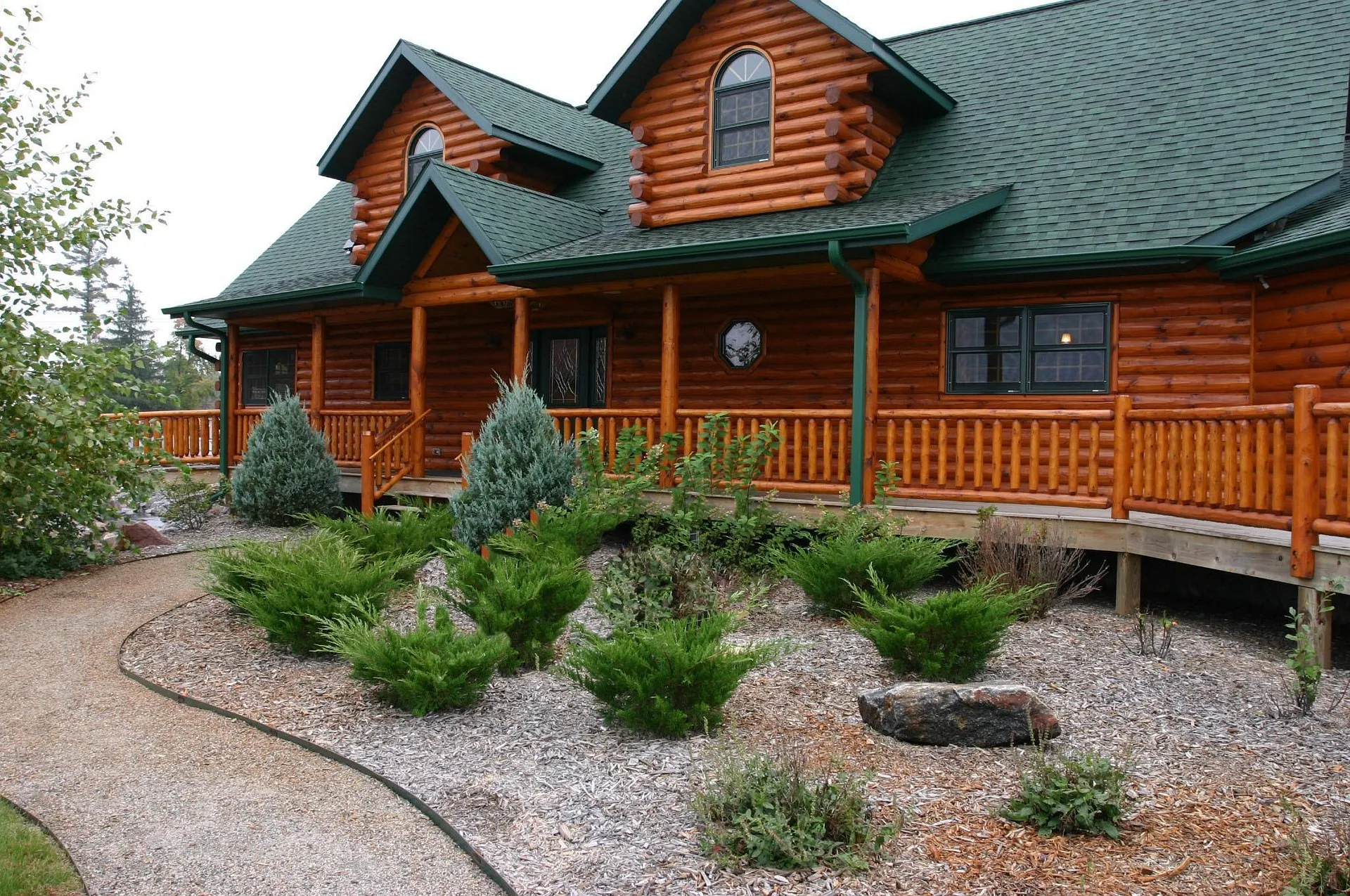
Landscape maintenance and irrigation service project featuring finish pass quality supporting owner confidence in Post Falls, Coeur d'Alene, and North Idaho
Why It Works

Pre-emergent done right
changes your whole season.

80-90% weed reduction

Stop Weeds Before They Start

Pre-emergent herbicides work by disrupting weed seed germination — they kill weeds in the soil before you ever see them. Applied correctly in early spring, a single treatment can eliminate 80–90% of annual weed pressure in mulch beds for the entire season.

Early April timing

Calibrated for North Idaho's Climate

Timing is everything. In Kootenai County, effective pre-emergent application windows fall in early April as soil temperatures approach 50°F. Too early and the product breaks down before germination; too late and weed seeds are already off and running.

Licensed applicators

Licensed Applicators Only

LP staff applying herbicide treatments hold current Idaho pesticide applicator licenses. We select products appropriate for your specific bed plantings — protecting ornamentals and shrubs while targeting annual weed species.

Bundle with mulch

Paired with Fresh Mulch for Best Results

Pre-emergent is most effective when applied directly to soil, then covered with 2–3 inches of fresh mulch. LP can coordinate pre-emergent application with mulch refresh visits — one mobilization, maximum weed suppression.

Treatment Services

Every aspect of pre-emergent
handled in one program.

From spring application timing to product selection for your specific plantings — LP handles every detail so your beds stay clean from April through October.

Spring Pre-Emergent Application

Primary application window in early April when soil temperatures hit 50°F. Targets crabgrass, spurge, oxalis, chickweed, and other annual weed species prevalent in North Idaho planting beds.

Fall Pre-Emergent Application

A second application in September prevents cool-season annual weeds (hairy bittercress, annual bluegrass) from establishing over winter. LP clients on year-round maintenance receive automatic scheduling for both windows.

Product Selection by Bed Type

Not all pre-emergents are safe around all plantings. LP selects from granular and liquid formulations based on your specific bed contents — ornamentals, shrubs, perennials, and ground covers each have different tolerances.

Existing Weed Clearing Before Application

Pre-emergent only stops new germination — it does nothing for established weeds. LP includes hand-pulling or spot-treating emerged weeds before application so you're starting the season with genuinely clean beds.

Mulch Coordination

When you're also refreshing mulch, LP applies pre-emergent directly to soil, then places mulch on top — the correct application sequence for maximum efficacy. No extra mobilization fees when bundled with mulch refresh.

Annual Maintenance Scheduling

LP tracks your service history and proactively schedules pre-emergent windows — you don't have to remember. Maintenance clients receive advance notice before each treatment window so you can confirm or adjust.

North Idaho Weed Timing

The right product applied
at the right time for our climate.

North Idaho's weed pressure is different from the Treasure Valley or the Pacific Coast. Cool springs delay soil warm-up compared to other regions, which shifts the effective treatment window later than many application guides suggest. LP applies based on actual local soil temperatures — not the calendar.

We've been treating beds in Post Falls, Hayden, Coeur d'Alene, and Rathdrum since 2005. We know which weed species are most aggressive in Kootenai County, and we select products that target them specifically.

Early Apr
Spring Window
Soil hits 50°F around April 1–20 in most Kootenai County locations — LP tracks this and acts.
Mid Sep
Fall Window
Second application prevents cool-season annuals from establishing over winter in mulch beds.
Required
Licensed Applicators
Idaho law requires a pesticide applicator license for commercial herbicide applications — all LP staff are licensed.
6–8 Mo.
Season Coverage
A correctly timed spring application suppresses annual weed germination from April through October.
Clean Bed Results

What pre-emergent treated beds
look like all season.

Weed-free mulch bed after spring pre-emergent treatment in Post Falls, Idaho
Clean ornamental planting bed maintained by LandscapePros in Coeur d'Alene
LP technician applying granular pre-emergent to landscape beds in Hayden, ID
Before and after comparison of mulch bed weed treatment in Kootenai County
Client Reviews

What North Idaho homeowners say about
our pre-emergent weed treatments.

★★★★★
"LP's pre-emergent treatment kept my beds completely weed-free all summer. No more hours spent pulling weeds!"
Karen S.
Post Falls, ID • Pre-Emergent Treatment
★★★★★
"They know exactly when to apply it in our climate. Beds stayed pristine from April through October."
Tom M.
Coeur d'Alene, ID • Spring Pre-Emergent
★★★★★
"Licensed applicators, safe for my plants, and they coordinate with mulch refresh. Perfect service."
Lisa R.
Hayden, ID • Mulch Bed Maintenance
Common Questions

Frequently Asked Questions

What is pre-emergent herbicide and how does it work in mulch beds?
Pre-emergent herbicide creates a chemical barrier in the top layer of soil that disrupts cell division in germinating weed seeds — killing them before they can emerge as visible plants. It does not affect established plants or existing weeds. When applied in the correct window and covered with mulch, it can eliminate the majority of annual weed pressure in ornamental beds for an entire season.
When should pre-emergent be applied in Post Falls and Kootenai County?
The critical spring application window in North Idaho opens in early April when soil temperatures consistently reach 50°F. This typically falls between April 1–20 in Post Falls and CDA, though it shifts year to year based on winter snowpack and spring temperatures. LP monitors soil temperatures and schedules applications proactively — our maintenance clients don't need to track this themselves.
Is pre-emergent herbicide safe for my ornamentals and shrubs?
It depends on the product. LP selects pre-emergent formulations appropriate for the specific plants in your beds. Most granular pre-emergents are safe around established woody shrubs and ornamentals. Some products should not be used around certain perennials or newly installed plants. LP reviews your bed contents before every application and selects accordingly.
How much does pre-emergent bed treatment cost in North Idaho?
Pre-emergent applications for a typical residential property run $80–$180 per treatment depending on the number and size of beds. LP clients on annual maintenance plans receive discounted rates on seasonal treatments. When bundled with a mulch refresh, LP waives the mobilization fee for the pre-emergent application.
Do I need to do pre-emergent in both spring and fall?
Spring application controls summer annual weeds (crabgrass, spurge, oxalis). Fall application controls winter annual weeds (hairy bittercress, annual bluegrass, chickweed) that germinate in cool weather and overwinter as established plants. For the best year-round weed suppression in North Idaho, LP recommends both applications. Spring is the higher priority; fall adds meaningful protection at modest cost.

Free Estimate

Stop weeds before the season starts.

Coeur d'Alene Post Falls Hayden Rathdrum Spirit Lake Dalton Gardens Athol Moscow Genesee Troy Potlatch Deary Sandpoint Ponderay Priest River Dover Kootenai Kellogg Pinehurst Osburn Wallace Smelterville St. Maries Plummer Coeur d'Alene Post Falls Hayden Rathdrum Spirit Lake Dalton Gardens Athol Moscow Genesee Troy Potlatch Deary Sandpoint Ponderay Priest River Dover Kootenai Kellogg Pinehurst Osburn Wallace Smelterville St. Maries Plummer Coeur d'Alene Post Falls Hayden Rathdrum Spirit Lake Dalton Gardens Athol Moscow Genesee Troy Potlatch Deary Sandpoint Ponderay Priest River Dover Kootenai Kellogg Pinehurst Osburn Wallace Smelterville St. Maries Plummer Coeur d'Alene Post Falls Hayden Rathdrum Spirit Lake Dalton Gardens Athol Moscow Genesee Troy Potlatch Deary Sandpoint Ponderay Priest River Dover Kootenai Kellogg Pinehurst Osburn Wallace Smelterville St. Maries Plummer
Call Now Book Free Estimate