
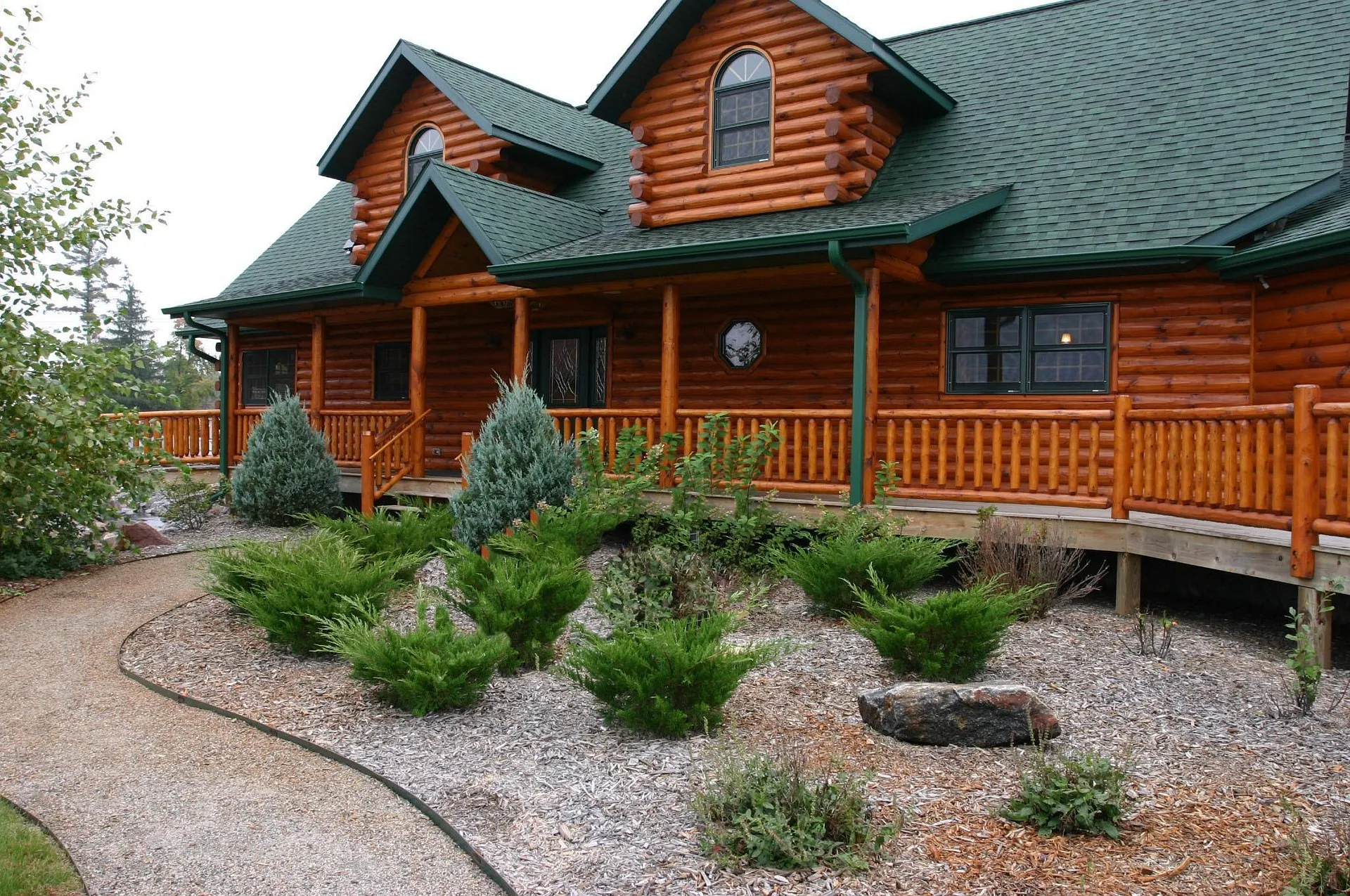
Irrigation System Retrofitting
Your 2005-era system can perform
like it was designed today.
Irrigation technology has changed more in the past 15 years than in the previous 40. High-efficiency rotary nozzles, matched precipitation rate distribution, smart ET controllers, and head-level pressure regulation were all either unavailable or prohibitively expensive for residential installations when most Kootenai County systems were put in the ground. The pipe, valve manifolds, and wire in your yard don't need to change. The components that deliver water to your turf and plants do.
LP performs a documented efficiency assessment before recommending any retrofit work — confirming what your system's infrastructure can support, quantifying the coverage and precipitation rate gaps, and building a prioritized upgrade plan that delivers the highest water and cost savings per dollar invested.
Real water savings, lower bills,
and a system that handles failures.
Retrofit Before You Replace: Preserve Your Pipe and Wire Investment
A residential irrigation system represents $8,000–$22,000 in buried lateral pipe, wire, valve manifolds, and labor that shouldn't be abandoned simply because the heads are outdated or the controller is a 20-year-old mechanical timer. LP evaluates the condition of your existing mainline, lateral pipe, valve manifolds, and wire before recommending component-level upgrades versus full replacement — keeping the elements that have decades of remaining life and replacing only what limits performance.
North Idaho Water Rates Make Efficiency Upgrades Measurable
Post Falls Utilities and CDA Water charge tiered residential rates that penalize high summer irrigation consumption. A mid-size residential system converting two turf zones from conventional spray to MP Rotators typically saves 20,000–40,000 gallons per irrigation season — enough to move many households down a billing tier. At current North Idaho tiered utility rates, a full spray-to-rotary conversion on a 6-zone turf system typically pays back the hardware and labor cost within two to three irrigation seasons.
Smart Controllers Respond to North Idaho's Irregular Precipitation
Kootenai County's precipitation pattern — predictably dry from late June through August, with variable spring and fall rainfall, and freeze risk from October through late April — makes fixed watering schedules inefficient by design. A smart ET controller running Rachio's weather intelligence would have shut off irrigation on approximately 40 days in an average North Idaho June and July, when rain or cool temperatures eliminated the day's evapotranspiration deficit. That's 40 days of avoided irrigation cycles on a fixed-schedule system.
Flow Sensing Protects Against Invisible Failures
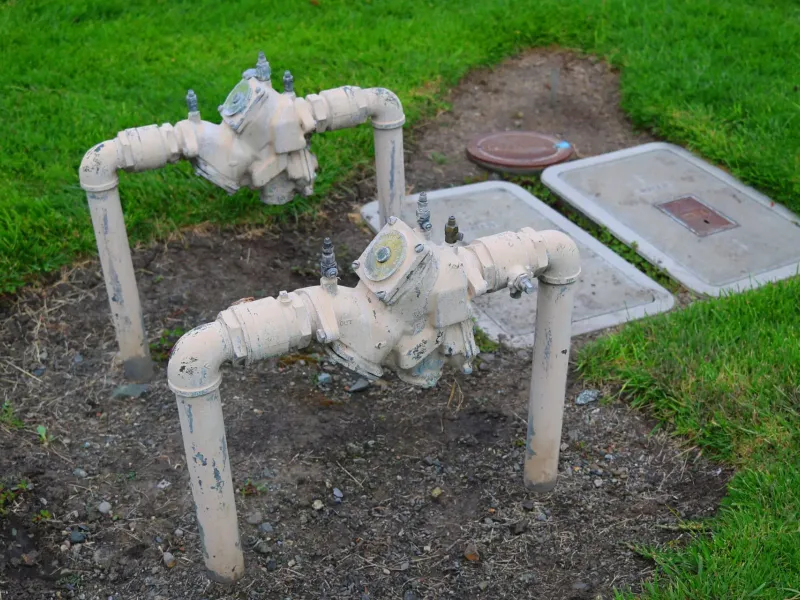
A broken underground lateral on a system without flow sensing runs for the full programmed zone duration — often 20–30 minutes — before anyone notices. On a pump-fed system, a failed lateral can drain the holding tank and deadhead the pump. On a municipal supply, the first indication is often a $400 water bill. A flow sensor with master valve shutoff catches flow anomalies within the first 30 seconds of zone operation and cuts the supply before meaningful damage or waste accumulates.
Six targeted upgrades that transform
how your system performs.
Rotary Head Conversion (MP Rotators)
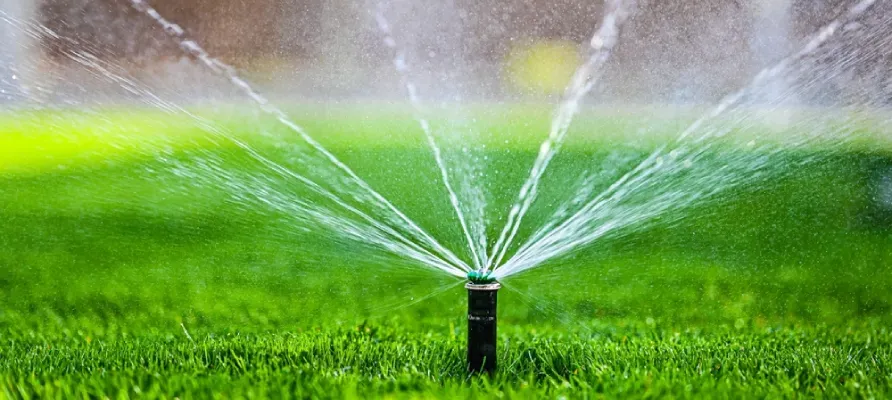
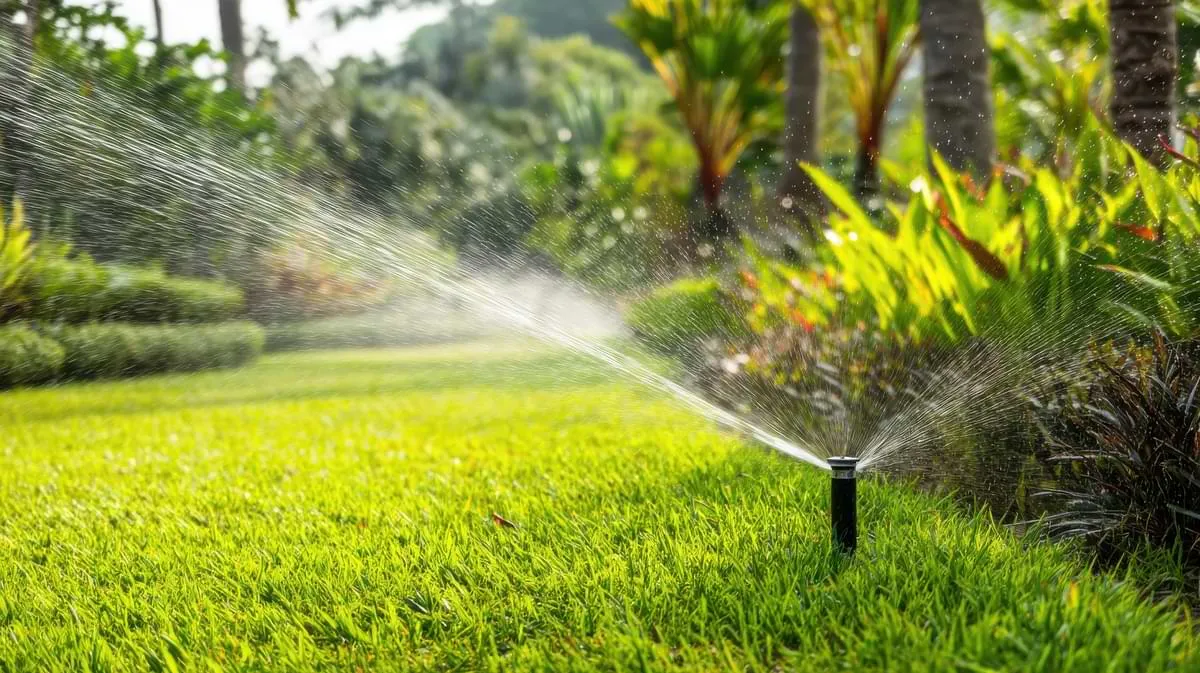
Replacing standard spray nozzles with high-efficiency matched precipitation rate rotary nozzles — MP Rotator, Hunter MP Series, or Rain Bird R-VAN — is the single highest-ROI hardware upgrade available for most Post Falls and CDA residential systems. MP Rotators apply water at 0.4–0.5 inches per hour versus 1.5–2.0 inches per hour for conventional spray nozzles, virtually eliminating runoff on sloped turf, compacted clay soils, and tight-radius corners where spray heads historically puddle. Water savings of 30–50% on converted zones are typical and measurable on the utility bill within one full season.
Drip Conversion for Landscape Beds
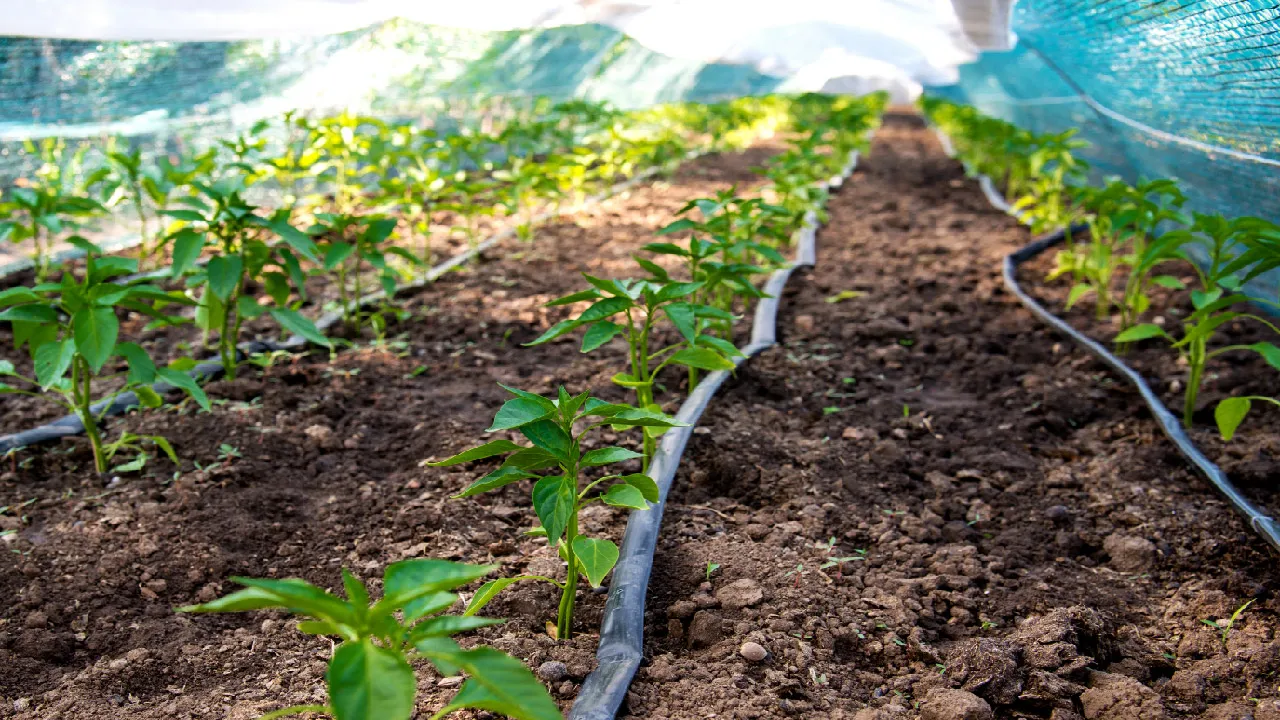
As Post Falls and CDA properties mature, turf areas convert to mulched shrub beds, perennial borders, and dry-adapted planting zones that spray heads serve poorly — broadcasting water onto bark mulch and foliar surfaces instead of delivering it to the root zone. LP converts spray zones serving converted beds to subsurface or surface drip using 1/2″ distribution tubing with pressure-compensating emitters, ensuring each plant's individual water requirement is met without irrigating bare mulch between plants. Drip conversions also eliminate the wet foliage conditions that promote fungal disease in North Idaho's cool shoulder seasons.
Smart Controller Upgrade
Replacing a mechanical timer with a Rachio 3, Hunter Hydrawise, or Orbit B-hyve smart controller is the fastest way to add weather-based water management to an existing system without touching any field components. LP handles the controller swap, programs each zone with accurate root depth, soil type, slope, and plant material data, and connects the controller to local weather data — at minimum, a rain sensor bypass; at best, a full ET-based runtime adjustment. Smart controllers typically reduce annual water use 15–30% compared to fixed-schedule mechanical timers.
Flow Sensor & Automatic Shutoff Valve
A flow sensor installed on the mainline measures active flow rate during every zone run and reports back to a compatible smart controller. If flow spikes above the programmed threshold — indicating a broken head, a split lateral, or a mainline leak — the controller shuts down the zone and sends an alert. LP installs Rachio and Hunter Hydrawise compatible flow sensors with automatic master valve shutoff, which is particularly valuable for properties with pump-fed systems where an undetected break can pump a pressure tank dry and deadhead the pump within minutes.
Head Coverage & Spacing Audit
Systems installed before the mid-2000s were often designed with maximum-coverage spacing rather than matched-precipitation spacing. LP performs a catch-can distribution uniformity test on representative zones, identifies dry spots driven by head spacing or nozzle selection, and corrects coverage gaps through nozzle substitution, head relocation, or additional lateral extensions — all without requiring new zones, new wire runs, or controller expansion. Coverage audit results are documented so you have a baseline for future service calls.
Pressure-Regulating Stem Installation
Hunter, Rain Bird, and Toro all produce drop-in pressure-regulating (PR) stems that install in the field into their standard spray and rotary pop-up bodies, capping dynamic nozzle pressure at the factory-defined optimum — typically 30 PSI for spray nozzles. LP installs PR stems as part of rotor conversion projects and as standalone head-level pressure correction on systems where mainline PRV installation is not feasible. At $3–$8 per stem installed, PR stems provide the lowest cost per head pressure control available.
System upgrades across Post Falls,
CDA, Hayden, and Rathdrum.
Frequently Asked Questions
Free Estimate