Placeholder image
Landscaping / Xeriscaping & Native Plants

Xeriscaping & Native Plants

Native Plants Water-Wise Design Drip Establishment Rock Mulch Zone Mapping
Detention Ponds Invasive Species Management Natural Boulder Retaining Walls Redefining Right-of-Way Clearing Automated Lighting Control Systems Cut/Fill Removal Bio-Retention Cell Maintenance Bark Application Athletic Field Construction Utility Trenching Slope Stabilization Reporting Drip Irrigation Installation Security Perimeter Lighting High-Volume Pumps Paths Segmental Block Retaining Walls Hard Surface Maintenance Mulch Bed Pre-Emergent Weed Treatment Valve Maintenance Seasonal Color Rotations Backflow Prevention Testing Commercial Concrete Paving Septic System Site Prep Full-Scale Landscape Design Fall Cleanups Revegetation Calibration Overseeding Bioswale Rain Garden Engineering Artificial Grass Underground Utility Installation Weed Control Bollard Light Installation Continuous Concrete Edging Hedge Trimming Land Clearing Pipe Repair Annual Displays Park & Playground Construction Water Feature Excavation Porter Services Drainage Commercial Turf Management Garden Bed Definition Blow-Outs Irrigation System Retrofitting Driveway Base Field Mowing Textured Borders Native Prairie Meadow Restoration Weather Station Commercial-Grade Curbing Shrub Health Care Flatwork Energy Savings Emergency Storm Response Install Slip-and-Fall Mitigation Urban Beautification Native Plant Design Tree Ring Enclosure Public Works Infrastructure Hydroseeding Sealing SWPPP Compliance Chimneys Sidewalks Hearths Integrated Pest Management (IPM) Vegetation Management Architectural Accent Lighting PICP Dust Control Disposal Liquid Brine Pre-Treatment ADA Compliance Upgrades Irrigation Pump Station Maintenance Smart Controller Integration Natural Stone Inlay Approaches Vegetated Green Roof Maintenance Custom Irrigation System Design HOA Maintenance Smart Central Control Systems Repair Hedge Planting Restoration Dedicated Site Staging Pressure Regulating Valve Installation Creek Crossings Mower-Edge Profiles Softscape Installation Pigmented Concrete Optimization Driveway Accents Flow Sensor Install 24/7 Zero-Tolerance Plowing De-Icing Real-Time Weather Monitoring Natural Stone Patios Bi-Weekly Lawn Care Ponds Structural Retaining Walls De-Icing Relocation Foundation Excavation Restoration Custom Integrated Lighting Bed Preparation Detention Ponds Invasive Species Management Natural Boulder Retaining Walls Redefining Right-of-Way Clearing Automated Lighting Control Systems Cut/Fill Removal Bio-Retention Cell Maintenance Bark Application Athletic Field Construction Utility Trenching Slope Stabilization Reporting Drip Irrigation Installation Security Perimeter Lighting High-Volume Pumps Paths Segmental Block Retaining Walls Hard Surface Maintenance Mulch Bed Pre-Emergent Weed Treatment Valve Maintenance Seasonal Color Rotations Backflow Prevention Testing Commercial Concrete Paving Septic System Site Prep Full-Scale Landscape Design Fall Cleanups Revegetation Calibration Overseeding Bioswale Rain Garden Engineering Artificial Grass Underground Utility Installation Weed Control Bollard Light Installation Continuous Concrete Edging Hedge Trimming Land Clearing Pipe Repair Annual Displays Park & Playground Construction Water Feature Excavation Porter Services Drainage Commercial Turf Management Garden Bed Definition Blow-Outs Irrigation System Retrofitting Driveway Base Field Mowing Textured Borders Native Prairie Meadow Restoration Weather Station Commercial-Grade Curbing Shrub Health Care Flatwork Energy Savings Emergency Storm Response Install Slip-and-Fall Mitigation Urban Beautification Native Plant Design Tree Ring Enclosure Public Works Infrastructure Hydroseeding Sealing SWPPP Compliance Chimneys Sidewalks Hearths Integrated Pest Management (IPM) Vegetation Management Architectural Accent Lighting PICP Dust Control Disposal Liquid Brine Pre-Treatment ADA Compliance Upgrades Irrigation Pump Station Maintenance Smart Controller Integration Natural Stone Inlay Approaches Vegetated Green Roof Maintenance Custom Irrigation System Design HOA Maintenance Smart Central Control Systems Repair Hedge Planting Restoration Dedicated Site Staging Pressure Regulating Valve Installation Creek Crossings Mower-Edge Profiles Softscape Installation Pigmented Concrete Optimization Driveway Accents Flow Sensor Install 24/7 Zero-Tolerance Plowing De-Icing Real-Time Weather Monitoring Natural Stone Patios Bi-Weekly Lawn Care Ponds Structural Retaining Walls De-Icing Relocation Foundation Excavation Restoration Custom Integrated Lighting Bed Preparation Detention Ponds Invasive Species Management Natural Boulder Retaining Walls Redefining Right-of-Way Clearing Automated Lighting Control Systems Cut/Fill Removal Bio-Retention Cell Maintenance Bark Application Athletic Field Construction Utility Trenching Slope Stabilization Reporting Drip Irrigation Installation Security Perimeter Lighting High-Volume Pumps Paths Segmental Block Retaining Walls Hard Surface Maintenance Mulch Bed Pre-Emergent Weed Treatment Valve Maintenance Seasonal Color Rotations Backflow Prevention Testing Commercial Concrete Paving Septic System Site Prep Full-Scale Landscape Design Fall Cleanups Revegetation Calibration Overseeding Bioswale Rain Garden Engineering Artificial Grass Underground Utility Installation Weed Control Bollard Light Installation Continuous Concrete Edging Hedge Trimming Land Clearing Pipe Repair Annual Displays Park & Playground Construction Water Feature Excavation Porter Services Drainage Commercial Turf Management Garden Bed Definition Blow-Outs Irrigation System Retrofitting Driveway Base Field Mowing Textured Borders Native Prairie Meadow Restoration Weather Station Commercial-Grade Curbing Shrub Health Care Flatwork Energy Savings Emergency Storm Response Install Slip-and-Fall Mitigation Urban Beautification Native Plant Design Tree Ring Enclosure Public Works Infrastructure Hydroseeding Sealing SWPPP Compliance Chimneys Sidewalks Hearths Integrated Pest Management (IPM) Vegetation Management Architectural Accent Lighting PICP Dust Control Disposal Liquid Brine Pre-Treatment ADA Compliance Upgrades Irrigation Pump Station Maintenance Smart Controller Integration Natural Stone Inlay Approaches Vegetated Green Roof Maintenance Custom Irrigation System Design HOA Maintenance Smart Central Control Systems Repair Hedge Planting Restoration Dedicated Site Staging Pressure Regulating Valve Installation Creek Crossings Mower-Edge Profiles Softscape Installation Pigmented Concrete Optimization Driveway Accents Flow Sensor Install 24/7 Zero-Tolerance Plowing De-Icing Real-Time Weather Monitoring Natural Stone Patios Bi-Weekly Lawn Care Ponds Structural Retaining Walls De-Icing Relocation Foundation Excavation Restoration Custom Integrated Lighting Bed Preparation Detention Ponds Invasive Species Management Natural Boulder Retaining Walls Redefining Right-of-Way Clearing Automated Lighting Control Systems Cut/Fill Removal Bio-Retention Cell Maintenance Bark Application Athletic Field Construction Utility Trenching Slope Stabilization Reporting Drip Irrigation Installation Security Perimeter Lighting High-Volume Pumps Paths Segmental Block Retaining Walls Hard Surface Maintenance Mulch Bed Pre-Emergent Weed Treatment Valve Maintenance Seasonal Color Rotations Backflow Prevention Testing Commercial Concrete Paving Septic System Site Prep Full-Scale Landscape Design Fall Cleanups Revegetation Calibration Overseeding Bioswale Rain Garden Engineering Artificial Grass Underground Utility Installation Weed Control Bollard Light Installation Continuous Concrete Edging Hedge Trimming Land Clearing Pipe Repair Annual Displays Park & Playground Construction Water Feature Excavation Porter Services Drainage Commercial Turf Management Garden Bed Definition Blow-Outs Irrigation System Retrofitting Driveway Base Field Mowing Textured Borders Native Prairie Meadow Restoration Weather Station Commercial-Grade Curbing Shrub Health Care Flatwork Energy Savings Emergency Storm Response Install Slip-and-Fall Mitigation Urban Beautification Native Plant Design Tree Ring Enclosure Public Works Infrastructure Hydroseeding Sealing SWPPP Compliance Chimneys Sidewalks Hearths Integrated Pest Management (IPM) Vegetation Management Architectural Accent Lighting PICP Dust Control Disposal Liquid Brine Pre-Treatment ADA Compliance Upgrades Irrigation Pump Station Maintenance Smart Controller Integration Natural Stone Inlay Approaches Vegetated Green Roof Maintenance Custom Irrigation System Design HOA Maintenance Smart Central Control Systems Repair Hedge Planting Restoration Dedicated Site Staging Pressure Regulating Valve Installation Creek Crossings Mower-Edge Profiles Softscape Installation Pigmented Concrete Optimization Driveway Accents Flow Sensor Install 24/7 Zero-Tolerance Plowing De-Icing Real-Time Weather Monitoring Natural Stone Patios Bi-Weekly Lawn Care Ponds Structural Retaining Walls De-Icing Relocation Foundation Excavation Restoration Custom Integrated Lighting Bed Preparation
Water-Wise by Design

A landscape built for
North Idaho's dry summers.

July and August in the Inland Northwest are dry. Not Oregon-coast dry — genuinely dry, with weeks without rain and high-altitude UV that burns through lawns, annuals, and water bills simultaneously. Xeriscape design is LP's answer to that reality.

This isn't about sacrificing beauty for function. LP's xeriscape designs use Idaho native species, drought-adapted ornamentals, mineral mulches, and integrated rock — landscapes that look intentional, feel connected to North Idaho's natural character, and perform without a running sprinkler.
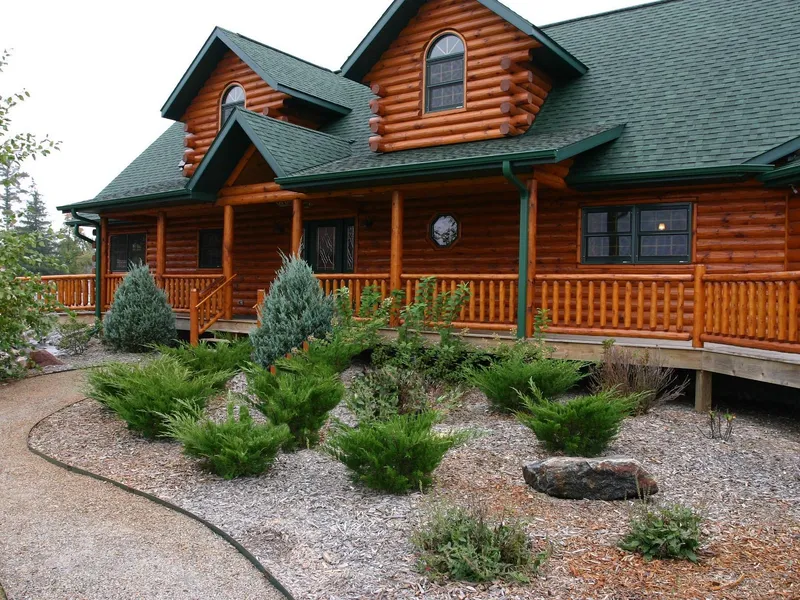
Residential landscaping design and planting project featuring native palette planning supporting balanced texture and depth in Post Falls, Coeur d'Alene, and North Idaho
Why Xeriscape

Less water. Less work.
More connected to Idaho.

Dramatically Lower Water Bills

A fully established xeriscape can reduce outdoor water use by 50–75% compared to a traditional turf lawn. In North Idaho's dry July and August, when irrigation bills peak, the difference can be $80–$200 per month for mid-sized residential properties.

Zero-Input Maintenance Once Established

After their first or second growing season, properly designed xeriscape plantings require no irrigation, minimal fertilization, and one annual cleanup. The ongoing maintenance burden is a fraction of what a traditional lawn and annual bed program requires.

Authentically Connected to Idaho's Landscape

A xeriscape planted with Idaho native species looks like it belongs here — because the plants are from here. The textures of basin grasses, the silver-gray of sage and Rabbit Brush, and the spring bloom of Serviceberry create a landscape that feels like North Idaho, not a suburban import.

Increased Property Resilience

As North Idaho summers trend toward longer dry periods and more frequent drought conditions, a landscape designed around water conservation becomes increasingly valuable. Xeriscape properties maintain their appearance during summer drought conditions when irrigation-dependent landscapes struggle.

Our Approach

From zone mapping
to established, self-sustaining plantings.

01

Water-Use Assessment & Zone Mapping

LP begins xeriscape design by mapping the property into water-use zones: zero supplemental (dryland natives only), low-water (drip establishment only), and moderate-water (occasional supplemental). The zone map drives every plant selection and determines where drip irrigation is worth installing for establishment.

02

Idaho Native Plant Selection

LP's xeriscape designs prioritize Idaho and Inland Northwest native species: Bitterbrush, Rabbit Brush, Basin Wild Rye, Idaho Fescue, Serviceberry, Camas, Lupine, Penstemon, Yarrow, and Native Currant. These species are evolved for North Idaho's soil, drought cycles, and temperature extremes — they establish and persist without significant ongoing inputs.

03

Drought-Adapted Ornamental Planting

Beyond true natives, LP incorporates drought-adapted ornamentals proven in the Inland Northwest: Russian Sage, Salvia, Agastache, Catmint, Echinacea, Lavender (in protected microclimates), Ornamental Grasses, and Sedum. These provide stronger design interest than pure native plantings while maintaining water efficiency.

04

Rock Mulch & Mineral Groundcovers

Xeriscape designs use mineral mulches — decomposed granite, river rock, crushed basalt — rather than organic bark in low-water zones. Mineral mulches reflect light, suppress weeds, and are permanent — they don't decompose and require no annual refresh. LP integrates decorative rock placement as a design element, not just a ground cover.

05

Drip Irrigation for Establishment

Even drought-tolerant plants require consistent moisture during their first growing season to establish root systems. LP designs drip irrigation systems sized for establishment needs, programmed with a seasonal reduction schedule, and designed to be shut off entirely once plants are established in year 2–3.

06

Hardscape Integration

The most successful xeriscape designs integrate hardscape — permeable gravel paths, natural stone steps, decorative boulders — with plantings to create textural interest without relying on large planted masses. LP coordinates xeriscape landscapes with any hardscape work to create unified, low-maintenance outdoor spaces.

Recent Projects

Xeriscape installations across Post Falls, CDA, and Kootenai County.
Native planting design — Post Falls, ID />
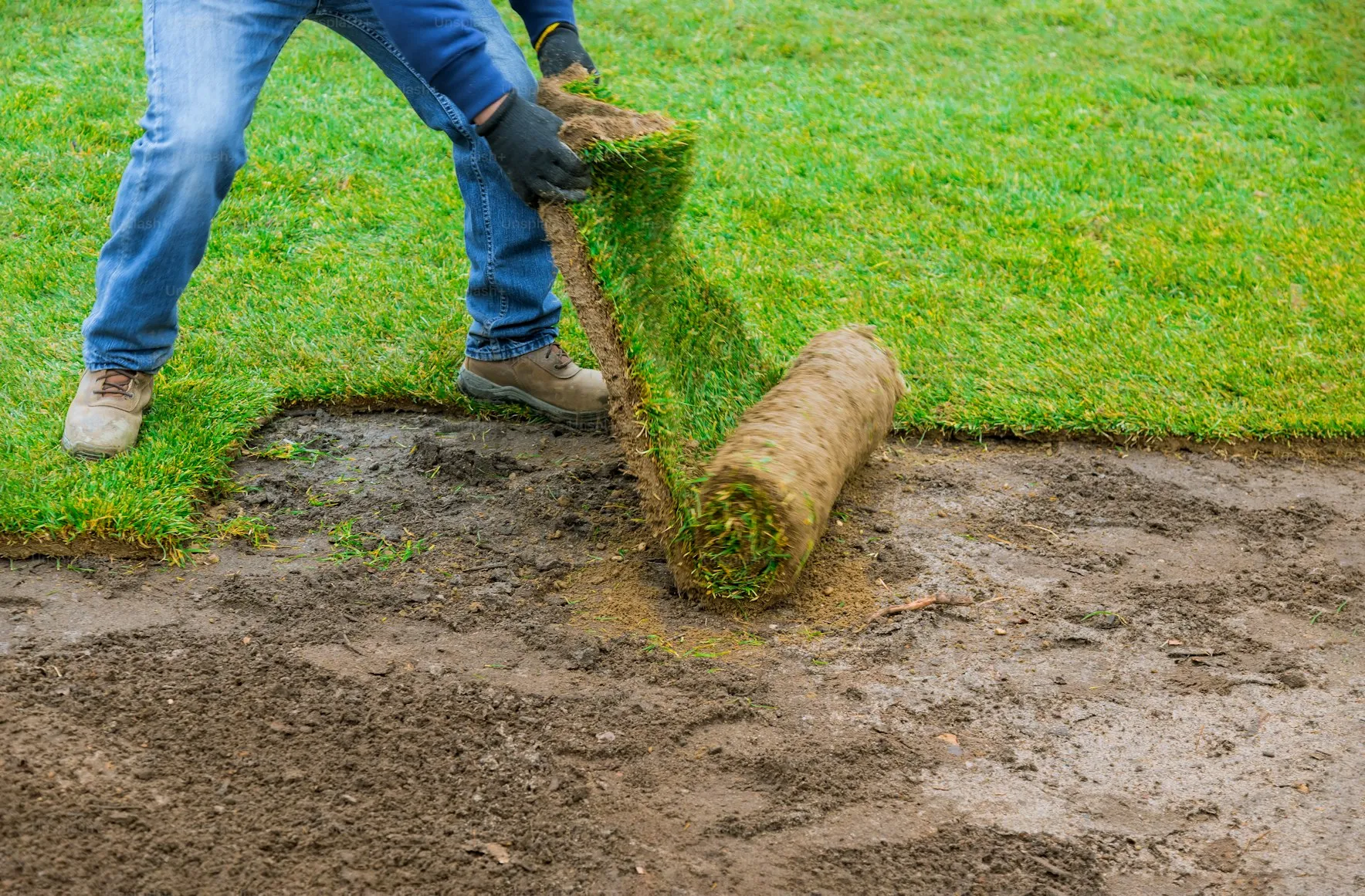
Sod installation & irrigation — CDA residential />
Wildflower hydroseeding project />
Full landscape renovation — Hayden, ID />
Common Questions

Frequently Asked Questions

What is xeriscaping and is it the same as a desert landscape?
Xeriscaping is water-wise landscape design — it's not desert aesthetics. North Idaho xeriscape uses regional grasses, native shrubs, and perennials that look lush and full while requiring far less water than turf. A well-designed xeriscape in Post Falls or CDA features the silvers and greens of Rabbit Brush and Basin Wild Rye, the deep purples of Penstemon and Salvia, and the spring color of Serviceberry — textures and layers that feel genuinely connected to the Inland Northwest landscape. It doesn't have to look like Arizona.
What Idaho native plants does LP recommend for a xeriscape?
LP's North Idaho xeriscape palette centers on species evolved for Zone 5b–6a conditions: Bitterbrush (Purshia tridentata), Rabbit Brush (Ericameria nauseosa), Basin Wild Rye (Leymus cinereus), Idaho Fescue (Festuca idahoensis), Serviceberry (Amelanchier alnifolia), Penstemon (multiple native species), Yarrow (Achillea millefolium), Native Currant (Ribes cereum), and Camas (Camassia quamash). Each of these species thrives in North Idaho's soil chemistry and temperature extremes without supplemental irrigation once established — typically after one full growing season with drip support.
How long does it take for a xeriscape to establish in North Idaho?
Most xeriscape plantings need one to two growing seasons with drip irrigation support before they can sustain themselves without supplemental water. LP's typical recommendation is spring planting followed by one full summer of drip establishment — consistent moisture from May through August gives root systems the depth they need to access subsoil moisture through subsequent dry seasons. The patience required is real: a xeriscape that looks modest in year one fills in dramatically by year two and three as root systems mature. LP programs drip controllers with a seasonal reduction schedule to prepare plants for independence.
How much does xeriscaping cost in Post Falls or CDA?
A front yard xeriscape conversion — removing existing turf, amending soil, installing native and drought-adapted plantings, and applying rock mulch — typically ranges from $4,000 to $12,000 depending on square footage, site prep complexity, and plant sizing. The investment justifies itself in three to five years through reduced water bills and eliminated lawn care costs. LP can phase projects for budget flexibility: starting with a high-visibility zone and expanding in subsequent seasons. An accurate estimate requires a site visit — LP provides written, itemized quotes at no charge.
Does LP remove existing turf before xeriscaping?
Yes. LP handles turf removal as an integrated part of xeriscape conversion — it's not an add-on or something left to the homeowner. Depending on timing, extent, and the homeowner's schedule, LP uses sod cutting (fastest, most complete), solarization (summer-season option for large areas), or sheet mulching (organic, no-dig method suited to fall preparation). After removal, LP performs grading and soil preparation appropriate to the planned plant palette before any new planting begins.

Free Estimate

Beautiful. Water-smart. Built for Idaho.

Coeur d'Alene Post Falls Hayden Rathdrum Spirit Lake Dalton Gardens Athol Moscow Genesee Troy Potlatch Deary Sandpoint Ponderay Priest River Dover Kootenai Kellogg Pinehurst Osburn Wallace Smelterville St. Maries Plummer Coeur d'Alene Post Falls Hayden Rathdrum Spirit Lake Dalton Gardens Athol Moscow Genesee Troy Potlatch Deary Sandpoint Ponderay Priest River Dover Kootenai Kellogg Pinehurst Osburn Wallace Smelterville St. Maries Plummer Coeur d'Alene Post Falls Hayden Rathdrum Spirit Lake Dalton Gardens Athol Moscow Genesee Troy Potlatch Deary Sandpoint Ponderay Priest River Dover Kootenai Kellogg Pinehurst Osburn Wallace Smelterville St. Maries Plummer Coeur d'Alene Post Falls Hayden Rathdrum Spirit Lake Dalton Gardens Athol Moscow Genesee Troy Potlatch Deary Sandpoint Ponderay Priest River Dover Kootenai Kellogg Pinehurst Osburn Wallace Smelterville St. Maries Plummer
Call Now Book Free Estimate