
Road & Driveway Base
Built below the frost
so it survives the thaw.
Every gravel driveway in North Idaho is being tested by frost right now. If the base is too shallow, water in it freezes and expands, and the surface heaves. Thaw it, and the base loses density and ruts. Three or four winters of that cycle is enough to destroy a driveway that looked fine the day it was finished.
The fix is not a better material — it is depth, aggregate choice, lift thickness, and drainage profile, in that order. LP has built bases across Post Falls, CDA, Rathdrum, and the rural parcels north of them since 2005, and we own the equipment to do the whole sequence in one mobilization.

What sits under the gravel
is the whole driveway.
Built to Survive Winter
Frost-depth construction and angular crushed aggregate resist the freeze-thaw cycles that destroy shallow, poorly compacted driveway bases in North Idaho.
Proper Drainage
Crowned profiles and cross-slopes shed water off the surface instead of letting it pond and freeze, which is what causes rutting and washout.
Load-Bearing Strength
Compacted lifts produce a base rated for the actual vehicles that use it — trailers, RVs, and daily traffic rather than just foot traffic.
One Scope, One Crew
Excavation, aggregate placement, compaction, and final grade are all performed by LP with owned equipment. No gaps between subcontractors and no finger-pointing when it settles.
Depth, aggregate, lifts,
and drainage — in that order.
Frost-Depth Sub-Base
Sub-base is excavated and built to depths that account for North Idaho's freeze line. Frost depth in Kootenai County runs roughly 32 inches — build above it and the base pumps and ruts every spring thaw.
Crushed Basalt Aggregate
Local angular aggregate that interlocks under compaction instead of rolling into a smooth, useless layer. Basalt is what this region has, and it is the right choice for freeze-thaw resistance.
Layered Lift Compaction
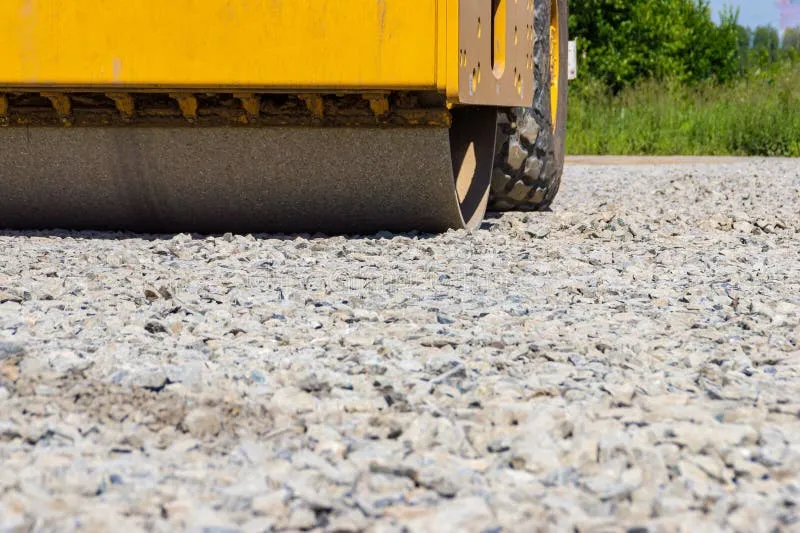
Aggregate is placed in engineered lifts and compacted at each layer rather than dumped and rolled once. Compaction in lifts is the only way to actually reach density through the full depth of the base.
Crowned Drainage Profile
Finished grades are crowned with cross-slopes so water runs off to the sides instead of sitting in ruts. A flat driveway collects water in winter and becomes an ice sheet in January.
Geotextile Base Separation
Where native soil is prone to pumping into the aggregate, LP installs geotextile separation fabric between subgrade and base. It keeps the fines from migrating up and ruining the surface over time.
Site Access & Material Management
Material placement, staging, and haul-off are planned around your property access. On tight lots and rural parcels, getting aggregate in and out efficiently is often the biggest driver of the final cost.

Frequently Asked Questions
Related Services
Free Estimate