Placeholder image
Irrigation / Spring Start-Ups & Calibration

Spring Start-Ups & Calibration

Controlled Pressurization Sequence Full Head Inspection & Adjustment Coverage Calibration Controller Program Update Sensor Verification Backflow Test Coordination
Utility Trenching Hydroseeding Vegetated Green Roof Maintenance Creek Crossings Cut/Fill Land Clearing Restoration Foundation Excavation Urban Beautification Weather Station Continuous Concrete Edging Natural Stone Patios Native Plant Design Tree Ring Enclosure Automated Lighting Control Systems Public Works Infrastructure PICP Commercial-Grade Curbing Real-Time Weather Monitoring Mulch Bed Pre-Emergent Weed Treatment Removal Restoration Hedge Trimming Approaches Bed Preparation Artificial Grass Chimneys Relocation Custom Integrated Lighting Irrigation Pump Station Maintenance Energy Savings Detention Ponds Backflow Prevention Testing Commercial Bark Application Hearths Security Perimeter Lighting Flatwork Bollard Light Installation Septic System Site Prep Park & Playground Construction Dedicated Site Staging Flow Sensor Install ADA Compliance Upgrades Softscape Installation Disposal Field Mowing Dust Control Seasonal Color Rotations Pigmented Concrete Fall Cleanups Weed Control Pressure Regulating Valve Installation Pipe Repair Drip Irrigation Installation Structural Retaining Walls Sidewalks Annual Displays SWPPP Compliance Paths Athletic Field Construction Bioswale Rain Garden Engineering Custom Irrigation System Design Integrated Pest Management (IPM) Blow-Outs Drainage Full-Scale Landscape Design Shrub Health Care Driveway Base Invasive Species Management Overseeding Bi-Weekly Lawn Care Underground Utility Installation Vegetation Management Driveway Accents Native Prairie Meadow Restoration 24/7 Zero-Tolerance Plowing Smart Controller Integration Slip-and-Fall Mitigation Architectural Accent Lighting Optimization Textured Borders Garden Bed Definition Calibration Commercial Turf Management Sealing Right-of-Way Clearing De-Icing Porter Services Valve Maintenance Install Revegetation Mower-Edge Profiles Bio-Retention Cell Maintenance HOA Maintenance Natural Boulder Retaining Walls Liquid Brine Pre-Treatment Irrigation System Retrofitting Redefining Repair Concrete Paving Natural Stone Inlay De-Icing Emergency Storm Response Ponds Slope Stabilization Reporting Smart Central Control Systems Segmental Block Retaining Walls Hard Surface Maintenance Hedge Planting High-Volume Pumps Water Feature Excavation Utility Trenching Hydroseeding Vegetated Green Roof Maintenance Creek Crossings Cut/Fill Land Clearing Restoration Foundation Excavation Urban Beautification Weather Station Continuous Concrete Edging Natural Stone Patios Native Plant Design Tree Ring Enclosure Automated Lighting Control Systems Public Works Infrastructure PICP Commercial-Grade Curbing Real-Time Weather Monitoring Mulch Bed Pre-Emergent Weed Treatment Removal Restoration Hedge Trimming Approaches Bed Preparation Artificial Grass Chimneys Relocation Custom Integrated Lighting Irrigation Pump Station Maintenance Energy Savings Detention Ponds Backflow Prevention Testing Commercial Bark Application Hearths Security Perimeter Lighting Flatwork Bollard Light Installation Septic System Site Prep Park & Playground Construction Dedicated Site Staging Flow Sensor Install ADA Compliance Upgrades Softscape Installation Disposal Field Mowing Dust Control Seasonal Color Rotations Pigmented Concrete Fall Cleanups Weed Control Pressure Regulating Valve Installation Pipe Repair Drip Irrigation Installation Structural Retaining Walls Sidewalks Annual Displays SWPPP Compliance Paths Athletic Field Construction Bioswale Rain Garden Engineering Custom Irrigation System Design Integrated Pest Management (IPM) Blow-Outs Drainage Full-Scale Landscape Design Shrub Health Care Driveway Base Invasive Species Management Overseeding Bi-Weekly Lawn Care Underground Utility Installation Vegetation Management Driveway Accents Native Prairie Meadow Restoration 24/7 Zero-Tolerance Plowing Smart Controller Integration Slip-and-Fall Mitigation Architectural Accent Lighting Optimization Textured Borders Garden Bed Definition Calibration Commercial Turf Management Sealing Right-of-Way Clearing De-Icing Porter Services Valve Maintenance Install Revegetation Mower-Edge Profiles Bio-Retention Cell Maintenance HOA Maintenance Natural Boulder Retaining Walls Liquid Brine Pre-Treatment Irrigation System Retrofitting Redefining Repair Concrete Paving Natural Stone Inlay De-Icing Emergency Storm Response Ponds Slope Stabilization Reporting Smart Central Control Systems Segmental Block Retaining Walls Hard Surface Maintenance Hedge Planting High-Volume Pumps Water Feature Excavation Utility Trenching Hydroseeding Vegetated Green Roof Maintenance Creek Crossings Cut/Fill Land Clearing Restoration Foundation Excavation Urban Beautification Weather Station Continuous Concrete Edging Natural Stone Patios Native Plant Design Tree Ring Enclosure Automated Lighting Control Systems Public Works Infrastructure PICP Commercial-Grade Curbing Real-Time Weather Monitoring Mulch Bed Pre-Emergent Weed Treatment Removal Restoration Hedge Trimming Approaches Bed Preparation Artificial Grass Chimneys Relocation Custom Integrated Lighting Irrigation Pump Station Maintenance Energy Savings Detention Ponds Backflow Prevention Testing Commercial Bark Application Hearths Security Perimeter Lighting Flatwork Bollard Light Installation Septic System Site Prep Park & Playground Construction Dedicated Site Staging Flow Sensor Install ADA Compliance Upgrades Softscape Installation Disposal Field Mowing Dust Control Seasonal Color Rotations Pigmented Concrete Fall Cleanups Weed Control Pressure Regulating Valve Installation Pipe Repair Drip Irrigation Installation Structural Retaining Walls Sidewalks Annual Displays SWPPP Compliance Paths Athletic Field Construction Bioswale Rain Garden Engineering Custom Irrigation System Design Integrated Pest Management (IPM) Blow-Outs Drainage Full-Scale Landscape Design Shrub Health Care Driveway Base Invasive Species Management Overseeding Bi-Weekly Lawn Care Underground Utility Installation Vegetation Management Driveway Accents Native Prairie Meadow Restoration 24/7 Zero-Tolerance Plowing Smart Controller Integration Slip-and-Fall Mitigation Architectural Accent Lighting Optimization Textured Borders Garden Bed Definition Calibration Commercial Turf Management Sealing Right-of-Way Clearing De-Icing Porter Services Valve Maintenance Install Revegetation Mower-Edge Profiles Bio-Retention Cell Maintenance HOA Maintenance Natural Boulder Retaining Walls Liquid Brine Pre-Treatment Irrigation System Retrofitting Redefining Repair Concrete Paving Natural Stone Inlay De-Icing Emergency Storm Response Ponds Slope Stabilization Reporting Smart Central Control Systems Segmental Block Retaining Walls Hard Surface Maintenance Hedge Planting High-Volume Pumps Water Feature Excavation Utility Trenching Hydroseeding Vegetated Green Roof Maintenance Creek Crossings Cut/Fill Land Clearing Restoration Foundation Excavation Urban Beautification Weather Station Continuous Concrete Edging Natural Stone Patios Native Plant Design Tree Ring Enclosure Automated Lighting Control Systems Public Works Infrastructure PICP Commercial-Grade Curbing Real-Time Weather Monitoring Mulch Bed Pre-Emergent Weed Treatment Removal Restoration Hedge Trimming Approaches Bed Preparation Artificial Grass Chimneys Relocation Custom Integrated Lighting Irrigation Pump Station Maintenance Energy Savings Detention Ponds Backflow Prevention Testing Commercial Bark Application Hearths Security Perimeter Lighting Flatwork Bollard Light Installation Septic System Site Prep Park & Playground Construction Dedicated Site Staging Flow Sensor Install ADA Compliance Upgrades Softscape Installation Disposal Field Mowing Dust Control Seasonal Color Rotations Pigmented Concrete Fall Cleanups Weed Control Pressure Regulating Valve Installation Pipe Repair Drip Irrigation Installation Structural Retaining Walls Sidewalks Annual Displays SWPPP Compliance Paths Athletic Field Construction Bioswale Rain Garden Engineering Custom Irrigation System Design Integrated Pest Management (IPM) Blow-Outs Drainage Full-Scale Landscape Design Shrub Health Care Driveway Base Invasive Species Management Overseeding Bi-Weekly Lawn Care Underground Utility Installation Vegetation Management Driveway Accents Native Prairie Meadow Restoration 24/7 Zero-Tolerance Plowing Smart Controller Integration Slip-and-Fall Mitigation Architectural Accent Lighting Optimization Textured Borders Garden Bed Definition Calibration Commercial Turf Management Sealing Right-of-Way Clearing De-Icing Porter Services Valve Maintenance Install Revegetation Mower-Edge Profiles Bio-Retention Cell Maintenance HOA Maintenance Natural Boulder Retaining Walls Liquid Brine Pre-Treatment Irrigation System Retrofitting Redefining Repair Concrete Paving Natural Stone Inlay De-Icing Emergency Storm Response Ponds Slope Stabilization Reporting Smart Central Control Systems Segmental Block Retaining Walls Hard Surface Maintenance Hedge Planting High-Volume Pumps Water Feature Excavation
Spring Startup, North Idaho Precision

First water of the season
done right, not just done fast.

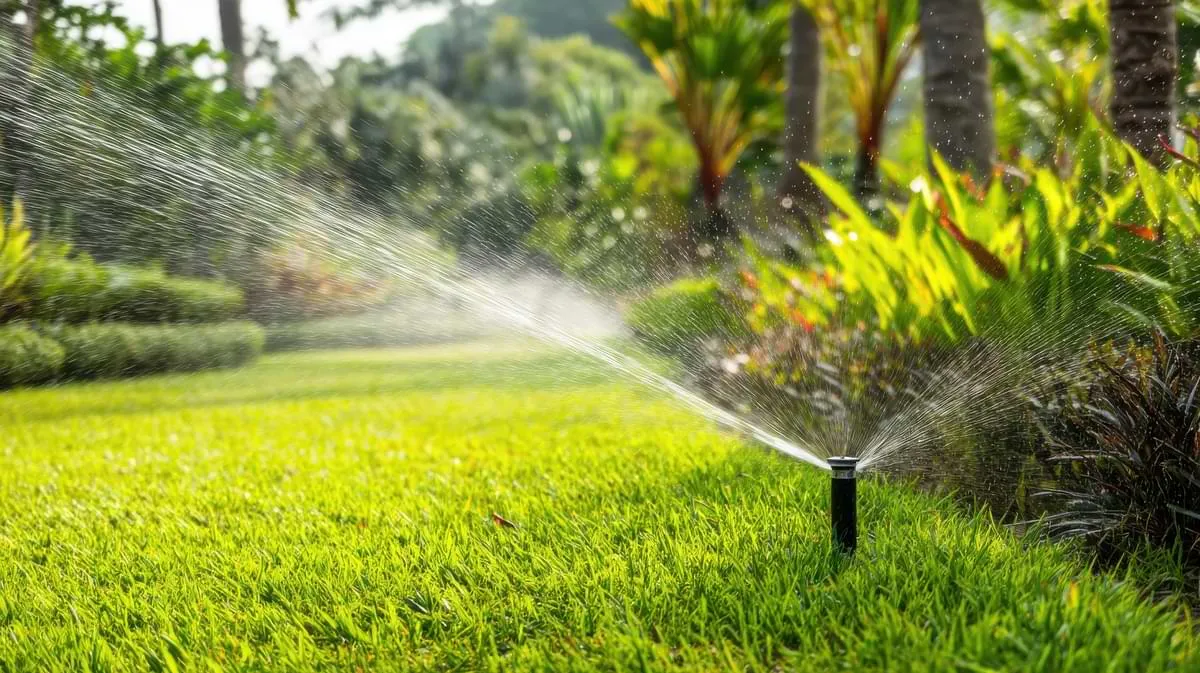
After five months of dormancy through a Kootenai County winter, your irrigation system needs more than just a valve turned back on. Poly pipe joints shift in freeze-thaw soil. Rotor heads settle below grade. Sensor discs cake with mineral deposits. Controller programs set for last October's runtimes have nothing to do with a cool, wet May.

LP's spring startup service is a systematic inspection, calibration, and documentation process — not a tech turning on a valve and waving goodbye. We verify every zone works correctly before we leave your property, and we document what we find so you have a baseline record for the rest of the season.
Maintenance project image featuring edge refinement supporting owner confidence in Post Falls, Coeur d'Alene, and North Idaho
Why Calibration Matters in April

A spring startup catches the damage
winter doesn't announce.

Prevents Wasted First-Month Water

Spring startup is the most expensive irrigation month for homeowners who skip calibration. A single broken rotor or clogged nozzle running 4–6 times per week for six weeks adds up to hundreds of gallons of wasted water before anyone notices a dry spot. LP catches every hydraulic issue before it compounds into a summer turf problem.

Catches Winter Damage Before High-Pressure Use

Poly pipe, PVC fittings, and valve bodies that cracked during a hard freeze may hold low-pressure air during a blowout but fail under full water pressure in spring. LP's pressurization sequence brings each zone up slowly, identifying damaged laterals before they become washed-out trenches or saturated plant beds.

Ensures Compliance Before the Season Begins

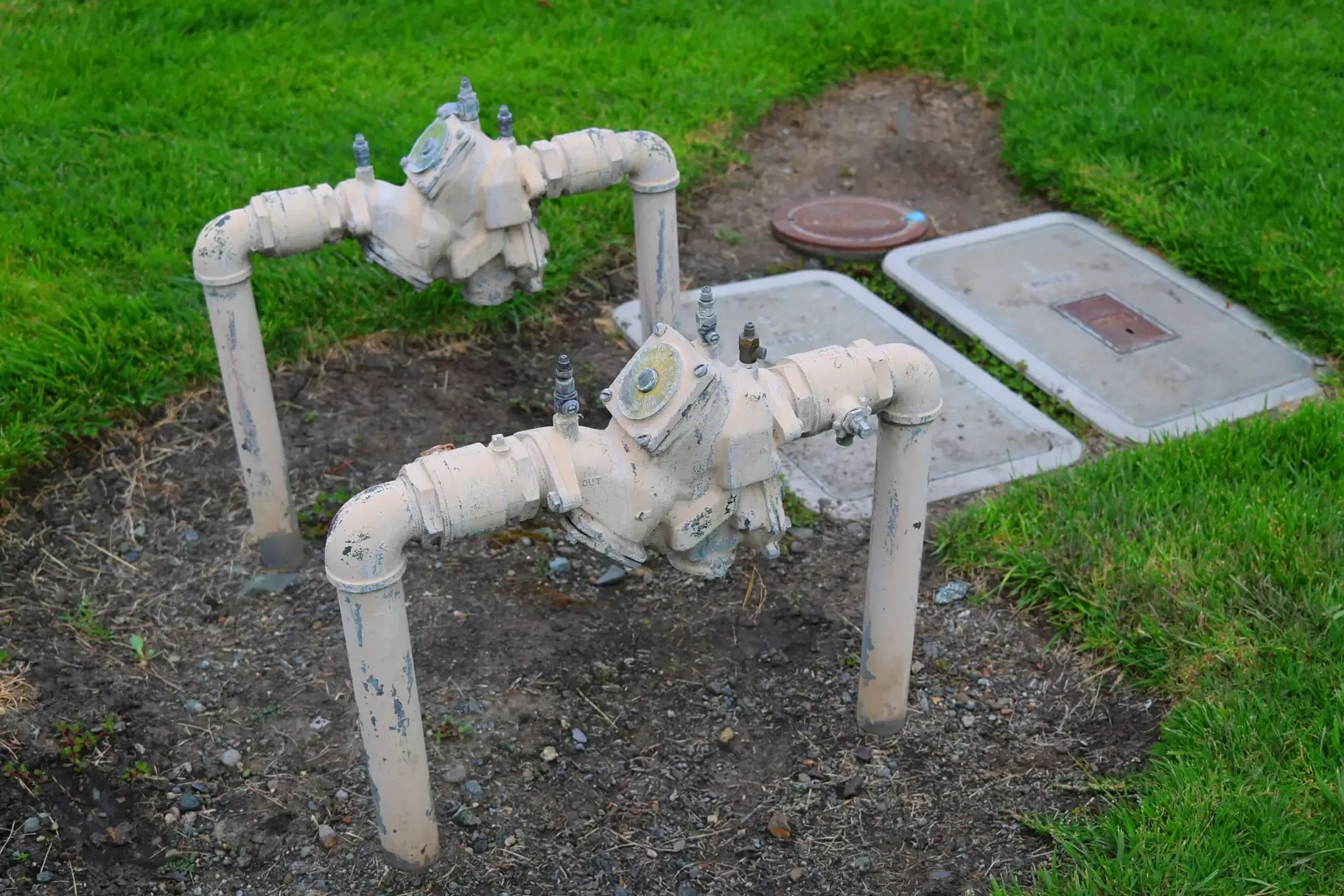
Annual backflow testing is an Idaho code requirement — not optional. Skipping it exposes homeowners to code violations and, more seriously, the risk of irrigation water contaminating a potable supply. LP ensures every system we start up has a current backflow test certificate on file before the first watering cycle runs.

LP Documents Your Zone Map

After every spring startup, LP provides a written zone map showing head placement, controller station assignments, and any adjustments made. When a head breaks mid-season, you'll know exactly what it is, where it belongs, and which valve controls it — or you can hand that sheet to whoever responds to the service call.

What LP Checks at Every Startup

Six checkpoints, every system,
every spring.

01

System Pressurization Sequence

Rushing water back into a dry irrigation system after a North Idaho winter is one of the most reliable ways to crack fittings and blow poly pipe joints. LP opens the mainline shutoff slowly — a controlled quarter-turn at a time — and pauses to let pressure equalize before activating any zones. Each zone is then pressurized and visually checked before moving to the next, catching damaged laterals before they become flooded trenches.

02

Head Inspection & Adjustment

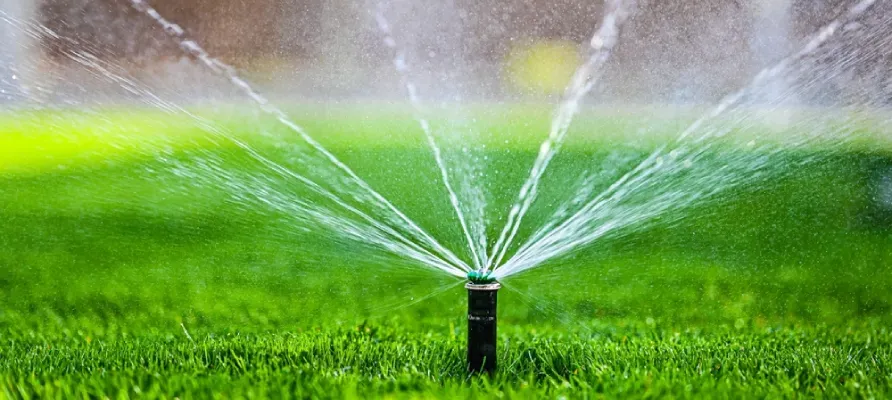
Six months of freeze-thaw cycling, soil movement, and vole activity takes a toll on heads. LP walks every zone to identify heads that have settled below grade (creating scalping points for mowers), clogged nozzles reducing precipitation rate, broken risers spraying at the wrong angle, and heads rotated off their original arc — especially common near driveways and hardscaping edges where foot traffic shifts them over winter.

03

Coverage Calibration

Head-to-head coverage — the industry standard for properly designed turf zones — requires that each head throws water to the next adjacent head. Rotors that have drifted off arc, nozzles that have been swapped to the wrong precipitation rate, or modified landscapes where new plants now obstruct spray patterns create dry spots that show up as dead turf by July. LP adjusts arc and radius on every rotor and verifies spray head throw distances match current landscape geometry.

04

Controller Program Review

A spring program is not a summer program. In late April and May, Post Falls and CDA lawns need significantly shorter runtimes than August — cooler temperatures, higher humidity, and less solar load mean the soil holds moisture longer. LP reviews and updates the controller schedule to match current seasonal conditions, adjusting watering days, runtime per zone, and start times to prevent waterlogging cool-season turf during spring establishment.

05

Rain & Freeze Sensor Verification

A rain sensor that was never properly commissioned — or whose disc has become mineral-caked over winter — provides false security. LP tests every sensor during spring startup: we trigger the bypass circuit manually, verify the controller responds correctly, check the sensitivity threshold, and confirm the sensor is mounted in an unobstructed location. A sensor that doesn't work is worse than no sensor, because it gives the homeowner false confidence.

06

Backflow Test Coordination

Idaho Plumbing Code requires all irrigation systems connected to potable water to have their backflow prevention assembly tested annually by a certified tester — before the first run of the season. LP coordinates RPZ and double-check backflow tests with certified testers as part of the spring startup process, ensuring your system is code-compliant before water flows through any zone. We document the test on file for your records.
Recent Startups

Spring irrigation work across Post Falls and CDA.

Maintenance project image featuring debris control supporting fewer stress symptoms in Post Falls, Coeur d'Alene, and North Idaho
Maintenance project image featuring irrigation observation supporting owner confidence in Post Falls, Coeur d'Alene, and North Idaho
Maintenance project image featuring edge refinement supporting owner confidence in Post Falls, Coeur d'Alene, and North Idaho
Maintenance project image featuring service routing supporting healthier seasonal growth in Post Falls, Coeur d'Alene, and North Idaho
Common Questions

Frequently Asked Questions

When should I start up my irrigation system in Post Falls or CDA?
The standard window for spring irrigation startup in Kootenai County is late April through mid-May, once nighttime lows are consistently above 35°F and ground temperatures have stabilized above freezing at the 6-inch depth. Starting too early — common when an early warm snap in March tempts homeowners — risks catching a late freeze event that the system is now full of water for. LP monitors local soil temperature data and typically runs spring startups from late April through mid-May.
What does LandscapePros actually check during a spring startup?
LP runs a comprehensive 6-point startup: controlled system pressurization zone by zone, full head inspection for settled or broken heads and clogged nozzles, coverage calibration to verify head-to-head throw distances and arc settings, controller program update for spring runtimes, rain and freeze sensor verification with bypass testing, and backflow test coordination. We leave you with a written zone map and any repair recommendations.
Can I start up my own irrigation system in the spring?
You can, but rapid pressurization is the most common cause of first-season pipe failures. Most homeowners fully open the mainline shutoff in one turn, sending a pressure surge through dry fittings and joints that may have shifted slightly over winter. Even if the system doesn't fail immediately, it can shorten the lifespan of valve diaphragms and rotor seals significantly. If you do start your own system, open the shutoff in quarter-turns 60 seconds apart and run each zone before turning on the next.
What does a spring startup service cost in North Idaho?
LP's spring startup pricing scales with zone count. A standard residential system with 6–10 zones typically runs $95–$145 for the startup and calibration service, not including any repairs identified during the inspection. Backflow test coordination is an additional pass-through cost based on the certified tester's rate. LP provides an itemized estimate before any repair work is authorized.
How do you detect a frozen pipe during spring startup?
Cracked poly laterals typically appear as either a zone that fails to build pressure (water escaping underground before reaching the heads) or a zone with dramatically reduced head performance — heads that barely pop up because pressure is bleeding off through a crack. LP watches for pressure drop between zones and listens for the sound of water moving underground where it shouldn't be. Suspected lateral damage is located using pressure isolation by capping heads progressively until the loss point is identified.

Free Estimate

Start the season right — before a blown fitting becomes a soggy yard.

Coeur d'Alene Post Falls Hayden Rathdrum Spirit Lake Dalton Gardens Athol Moscow Genesee Troy Potlatch Deary Sandpoint Ponderay Priest River Dover Kootenai Kellogg Pinehurst Osburn Wallace Smelterville St. Maries Plummer Coeur d'Alene Post Falls Hayden Rathdrum Spirit Lake Dalton Gardens Athol Moscow Genesee Troy Potlatch Deary Sandpoint Ponderay Priest River Dover Kootenai Kellogg Pinehurst Osburn Wallace Smelterville St. Maries Plummer Coeur d'Alene Post Falls Hayden Rathdrum Spirit Lake Dalton Gardens Athol Moscow Genesee Troy Potlatch Deary Sandpoint Ponderay Priest River Dover Kootenai Kellogg Pinehurst Osburn Wallace Smelterville St. Maries Plummer Coeur d'Alene Post Falls Hayden Rathdrum Spirit Lake Dalton Gardens Athol Moscow Genesee Troy Potlatch Deary Sandpoint Ponderay Priest River Dover Kootenai Kellogg Pinehurst Osburn Wallace Smelterville St. Maries Plummer
Call Now Book Free Estimate