Placeholder image
Irrigation / Drip Irrigation

Drip Irrigation for Gardens & Containers

Pressure-Compensating Emitters Ornamental Bed & Vegetable Garden Layout Container & Deck Pot Drip Kits Filter & Pressure Regulator Setup Subsurface Drip (SDI) Installation
Utility Trenching Artificial Grass Custom Irrigation System Design Hedge Planting Flatwork Dust Control Cut/Fill Field Mowing Valve Maintenance Structural Retaining Walls Ponds Reporting Vegetated Green Roof Maintenance SWPPP Compliance Weed Control Vegetation Management Garden Bed Definition Hedge Trimming Backflow Prevention Testing Commercial Relocation Driveway Accents Hydroseeding Calibration High-Volume Pumps Smart Controller Integration Hearths Mulch Bed Pre-Emergent Weed Treatment Automated Lighting Control Systems Weather Station Tree Ring Enclosure Restoration Native Plant Design Repair Urban Beautification Concrete Paving Water Feature Excavation Flow Sensor Install Continuous Concrete Edging Seasonal Color Rotations Install Bark Application Security Perimeter Lighting Bi-Weekly Lawn Care Septic System Site Prep Liquid Brine Pre-Treatment Natural Boulder Retaining Walls Sealing Restoration Athletic Field Construction Slope Stabilization Architectural Accent Lighting Redefining HOA Maintenance PICP Pigmented Concrete Right-of-Way Clearing Approaches Creek Crossings Full-Scale Landscape Design Slip-and-Fall Mitigation Drainage Irrigation Pump Station Maintenance Pressure Regulating Valve Installation Smart Central Control Systems Bollard Light Installation Blow-Outs Commercial Turf Management Disposal Real-Time Weather Monitoring Natural Stone Patios Removal Pipe Repair Drip Irrigation Installation Softscape Installation Detention Ponds Commercial-Grade Curbing De-Icing Underground Utility Installation Bio-Retention Cell Maintenance Driveway Base Overseeding 24/7 Zero-Tolerance Plowing Fall Cleanups Textured Borders Shrub Health Care Natural Stone Inlay Irrigation System Retrofitting Invasive Species Management Paths Hard Surface Maintenance Native Prairie Meadow Restoration Bed Preparation Energy Savings Dedicated Site Staging Mower-Edge Profiles Chimneys Emergency Storm Response Park & Playground Construction Revegetation Optimization Sidewalks Integrated Pest Management (IPM) Custom Integrated Lighting Bioswale Rain Garden Engineering Foundation Excavation Annual Displays ADA Compliance Upgrades De-Icing Land Clearing Porter Services Segmental Block Retaining Walls Public Works Infrastructure Utility Trenching Artificial Grass Custom Irrigation System Design Hedge Planting Flatwork Dust Control Cut/Fill Field Mowing Valve Maintenance Structural Retaining Walls Ponds Reporting Vegetated Green Roof Maintenance SWPPP Compliance Weed Control Vegetation Management Garden Bed Definition Hedge Trimming Backflow Prevention Testing Commercial Relocation Driveway Accents Hydroseeding Calibration High-Volume Pumps Smart Controller Integration Hearths Mulch Bed Pre-Emergent Weed Treatment Automated Lighting Control Systems Weather Station Tree Ring Enclosure Restoration Native Plant Design Repair Urban Beautification Concrete Paving Water Feature Excavation Flow Sensor Install Continuous Concrete Edging Seasonal Color Rotations Install Bark Application Security Perimeter Lighting Bi-Weekly Lawn Care Septic System Site Prep Liquid Brine Pre-Treatment Natural Boulder Retaining Walls Sealing Restoration Athletic Field Construction Slope Stabilization Architectural Accent Lighting Redefining HOA Maintenance PICP Pigmented Concrete Right-of-Way Clearing Approaches Creek Crossings Full-Scale Landscape Design Slip-and-Fall Mitigation Drainage Irrigation Pump Station Maintenance Pressure Regulating Valve Installation Smart Central Control Systems Bollard Light Installation Blow-Outs Commercial Turf Management Disposal Real-Time Weather Monitoring Natural Stone Patios Removal Pipe Repair Drip Irrigation Installation Softscape Installation Detention Ponds Commercial-Grade Curbing De-Icing Underground Utility Installation Bio-Retention Cell Maintenance Driveway Base Overseeding 24/7 Zero-Tolerance Plowing Fall Cleanups Textured Borders Shrub Health Care Natural Stone Inlay Irrigation System Retrofitting Invasive Species Management Paths Hard Surface Maintenance Native Prairie Meadow Restoration Bed Preparation Energy Savings Dedicated Site Staging Mower-Edge Profiles Chimneys Emergency Storm Response Park & Playground Construction Revegetation Optimization Sidewalks Integrated Pest Management (IPM) Custom Integrated Lighting Bioswale Rain Garden Engineering Foundation Excavation Annual Displays ADA Compliance Upgrades De-Icing Land Clearing Porter Services Segmental Block Retaining Walls Public Works Infrastructure Utility Trenching Artificial Grass Custom Irrigation System Design Hedge Planting Flatwork Dust Control Cut/Fill Field Mowing Valve Maintenance Structural Retaining Walls Ponds Reporting Vegetated Green Roof Maintenance SWPPP Compliance Weed Control Vegetation Management Garden Bed Definition Hedge Trimming Backflow Prevention Testing Commercial Relocation Driveway Accents Hydroseeding Calibration High-Volume Pumps Smart Controller Integration Hearths Mulch Bed Pre-Emergent Weed Treatment Automated Lighting Control Systems Weather Station Tree Ring Enclosure Restoration Native Plant Design Repair Urban Beautification Concrete Paving Water Feature Excavation Flow Sensor Install Continuous Concrete Edging Seasonal Color Rotations Install Bark Application Security Perimeter Lighting Bi-Weekly Lawn Care Septic System Site Prep Liquid Brine Pre-Treatment Natural Boulder Retaining Walls Sealing Restoration Athletic Field Construction Slope Stabilization Architectural Accent Lighting Redefining HOA Maintenance PICP Pigmented Concrete Right-of-Way Clearing Approaches Creek Crossings Full-Scale Landscape Design Slip-and-Fall Mitigation Drainage Irrigation Pump Station Maintenance Pressure Regulating Valve Installation Smart Central Control Systems Bollard Light Installation Blow-Outs Commercial Turf Management Disposal Real-Time Weather Monitoring Natural Stone Patios Removal Pipe Repair Drip Irrigation Installation Softscape Installation Detention Ponds Commercial-Grade Curbing De-Icing Underground Utility Installation Bio-Retention Cell Maintenance Driveway Base Overseeding 24/7 Zero-Tolerance Plowing Fall Cleanups Textured Borders Shrub Health Care Natural Stone Inlay Irrigation System Retrofitting Invasive Species Management Paths Hard Surface Maintenance Native Prairie Meadow Restoration Bed Preparation Energy Savings Dedicated Site Staging Mower-Edge Profiles Chimneys Emergency Storm Response Park & Playground Construction Revegetation Optimization Sidewalks Integrated Pest Management (IPM) Custom Integrated Lighting Bioswale Rain Garden Engineering Foundation Excavation Annual Displays ADA Compliance Upgrades De-Icing Land Clearing Porter Services Segmental Block Retaining Walls Public Works Infrastructure Utility Trenching Artificial Grass Custom Irrigation System Design Hedge Planting Flatwork Dust Control Cut/Fill Field Mowing Valve Maintenance Structural Retaining Walls Ponds Reporting Vegetated Green Roof Maintenance SWPPP Compliance Weed Control Vegetation Management Garden Bed Definition Hedge Trimming Backflow Prevention Testing Commercial Relocation Driveway Accents Hydroseeding Calibration High-Volume Pumps Smart Controller Integration Hearths Mulch Bed Pre-Emergent Weed Treatment Automated Lighting Control Systems Weather Station Tree Ring Enclosure Restoration Native Plant Design Repair Urban Beautification Concrete Paving Water Feature Excavation Flow Sensor Install Continuous Concrete Edging Seasonal Color Rotations Install Bark Application Security Perimeter Lighting Bi-Weekly Lawn Care Septic System Site Prep Liquid Brine Pre-Treatment Natural Boulder Retaining Walls Sealing Restoration Athletic Field Construction Slope Stabilization Architectural Accent Lighting Redefining HOA Maintenance PICP Pigmented Concrete Right-of-Way Clearing Approaches Creek Crossings Full-Scale Landscape Design Slip-and-Fall Mitigation Drainage Irrigation Pump Station Maintenance Pressure Regulating Valve Installation Smart Central Control Systems Bollard Light Installation Blow-Outs Commercial Turf Management Disposal Real-Time Weather Monitoring Natural Stone Patios Removal Pipe Repair Drip Irrigation Installation Softscape Installation Detention Ponds Commercial-Grade Curbing De-Icing Underground Utility Installation Bio-Retention Cell Maintenance Driveway Base Overseeding 24/7 Zero-Tolerance Plowing Fall Cleanups Textured Borders Shrub Health Care Natural Stone Inlay Irrigation System Retrofitting Invasive Species Management Paths Hard Surface Maintenance Native Prairie Meadow Restoration Bed Preparation Energy Savings Dedicated Site Staging Mower-Edge Profiles Chimneys Emergency Storm Response Park & Playground Construction Revegetation Optimization Sidewalks Integrated Pest Management (IPM) Custom Integrated Lighting Bioswale Rain Garden Engineering Foundation Excavation Annual Displays ADA Compliance Upgrades De-Icing Land Clearing Porter Services Segmental Block Retaining Walls Public Works Infrastructure
Root-Zone Delivery, North Idaho Beds & Gardens

Stop watering your soil surface.
Water the roots that need it.

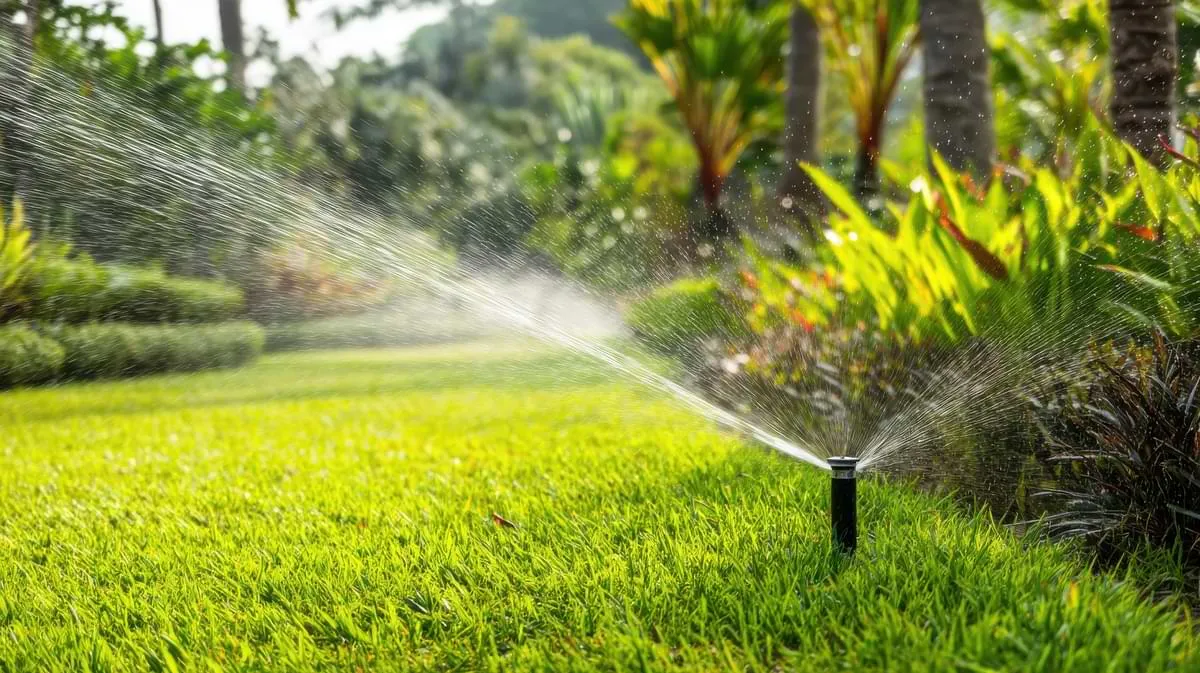
Spray irrigation in ornamental beds wastes water in three ways simultaneously: evaporation before the water reaches soil, wet foliage that invites fungal disease, and weed germination triggered by surface moisture between plants. Every spray head running in a shrub bed in July is applying as much water to mulch, bare soil, and leaf surfaces as it is to the root zones that can actually absorb it.

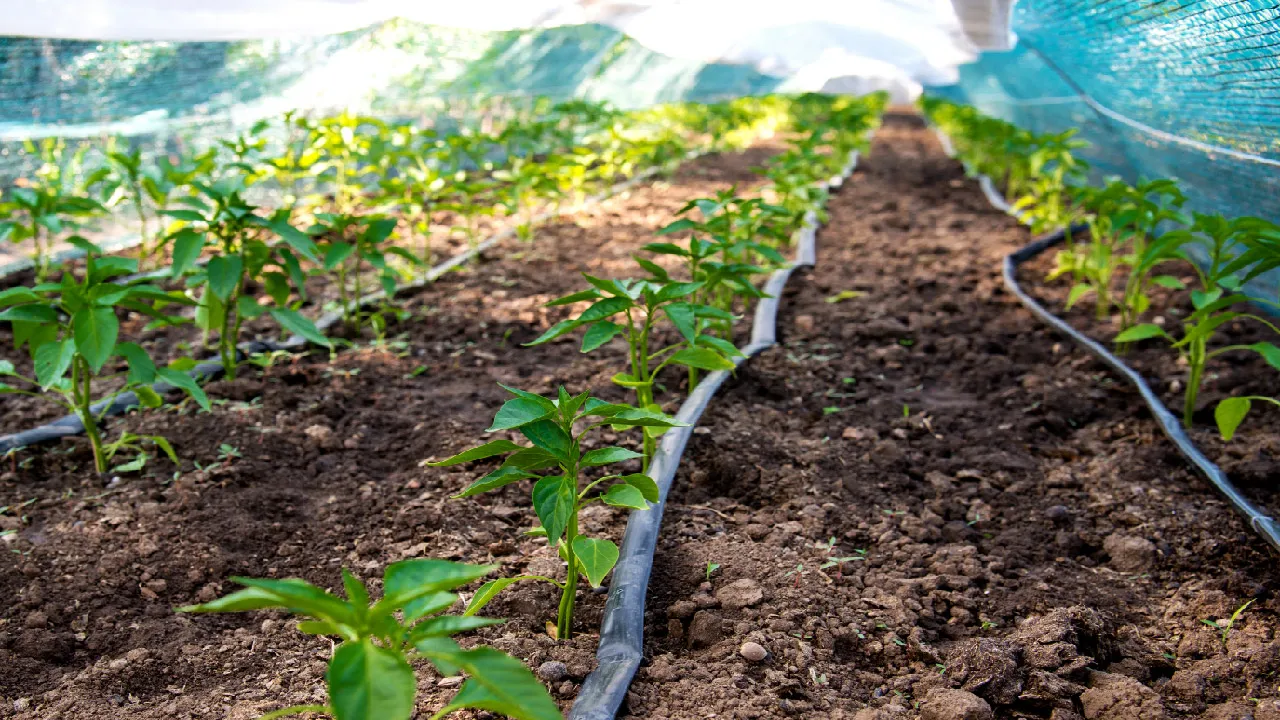
Drip irrigation eliminates all three failure modes. Pressure-compensating emitters positioned at each plant's root zone deliver water at 0.5–1.0 GPH directly into the soil profile — no evaporation, no wet leaves, no surface moisture band for weed seeds to germinate in. LP designs and installs drip systems for ornamental beds, vegetable gardens, native plantings, container collections, and turf edge strips across Coeur d'Alene, Post Falls, Hayden, and throughout Kootenai and Bonner Counties.
Coeur d'Alene Post Falls Hayden Rathdrum
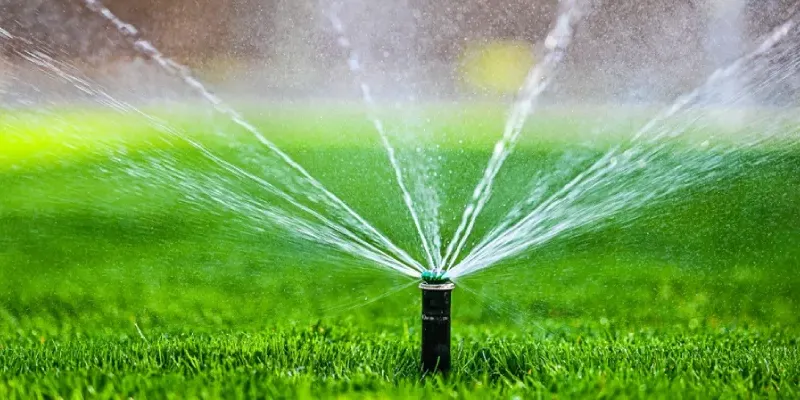
Maintenance project image featuring debris control supporting fewer stress symptoms in Post Falls, Coeur d'Alene, and North Idaho
Why Drip Outperforms Spray in Idaho Beds

Less water, healthier plants,
and fewer weeds to pull.

30–50% Water Savings vs. Spray Irrigation

Drip irrigation applies water at the root zone, eliminating the evaporation loss, wind drift, and foliage interception that characterize spray and rotor irrigation. In North Idaho's hot, low-humidity July and August windows, spray losses to evaporation can reach 25–35% of applied water before it enters the soil. Drip systems on equivalent bed and garden areas consistently deliver comparable or superior plant growth outcomes at 30–50% of the water volume used by spray zones on the same area.

Reduced Fungal Disease in Ornamental Beds

Many of the fungal diseases that affect North Idaho ornamental plantings — powdery mildew on phlox and roses, leaf spot on dogwood, Botrytis on perennials — require wet foliage to establish. Spray irrigation applied to ornamental beds creates daily wet-foliage cycles, particularly in the morning hours when humidity is highest. Converting beds from spray to drip eliminates foliage wetting entirely, reducing fungicide applications and improving plant health outcomes without other management changes.

Targeted Root-Zone Delivery

A 0.5 GPH emitter placed 6 inches from a plant's stem delivers water into the exact root zone where it can be absorbed — not onto the bare soil between plants, not onto leaf surfaces, and not past the root zone before absorption. This targeted delivery is especially valuable for plants with specific moisture preferences: vegetables that need consistent root moisture without wet foliage, native shrubs adapting to North Idaho soil chemistry, and container plantings with no moisture reservoir buffer.

Weed Suppression Through Dry Surface Conditions

Annual weed seeds germinate in response to surface soil moisture. Spray irrigation applied to beds creates the moisture band at the soil surface that weed seeds require. Drip irrigation keeps the surface soil dry between plants while maintaining adequate moisture in the root zone of established plants — a passive weed suppression strategy that complements mulch and reduces hand-weeding labor through the season. SDI in vegetable beds creates particularly effective weed suppression because the soil between rows stays dry.

What North Idaho Homeowners Say

★★★★★
"LP's drip system in our Post Falls vegetable garden has cut our watering time by 80% and our water bill by 40%. The plants are healthier than ever."
Sarah M., Post Falls along the Spokane River corridor
★★★★★
"Converting our Coeur d'Alene ornamental beds from spray to drip eliminated the powdery mildew issues we've fought for years. Brilliant solution."
Mike R., Coeur d'Alene on the shores of Lake Coeur d'Alene
★★★★★
"The subsurface drip in our Rathdrum Prairie native planting bed keeps everything thriving with zero surface watering. Perfect for our rocky soil."
Jennifer L., Rathdrum in the Rathdrum Prairie region
What LP Designs & Installs

Every drip application, specified
and installed to perform.

01

Emitter Selection & Flow Rate Matching

Drip irrigation fails at the emitter level when flow rates are mismatched to plant size and soil permeability. A 1 GPH emitter applying water to a newly planted 1-gallon shrub in rocky North Idaho glacial soil will puddle and run off before the root zone absorbs it. LP specifies pressure-compensating emitters — which deliver consistent flow from 15 to 60 PSI — at flow rates appropriate to each plant's mature root zone area, matching application rate to your specific soil percolation speed.

02

Drip Line Layout for Beds & Native Plantings

LP designs and installs drip systems for ornamental shrub beds, mixed perennial borders, vegetable garden rows, and established native plantings. Layout routes 1/2-inch distribution tubing along bed perimeter and structure lines with 1/4-inch spaghetti tubing and emitters positioned at each plant's root zone — not arbitrarily spaced. Native plantings in North Idaho's coarser soils require wider emitter spacing and longer, less frequent runtimes to promote deep rooting rather than surface dependence.

03

Container & Deck Pot Irrigation

Deck containers and outdoor pots are the most water-demanding element of most North Idaho residential landscapes — small soil volume, full sun exposure, and no capillary connection to ground moisture require daily or twice-daily watering during July and August heat. LP installs in-line drip kits with dedicated timer-based controllers for container collections, running 1/4-inch tubing to individual pot emitters at flow rates matched to container size and plant type — eliminating the daily watering task while maintaining plant health through the season.

04

Filter & Pressure Regulator Installation

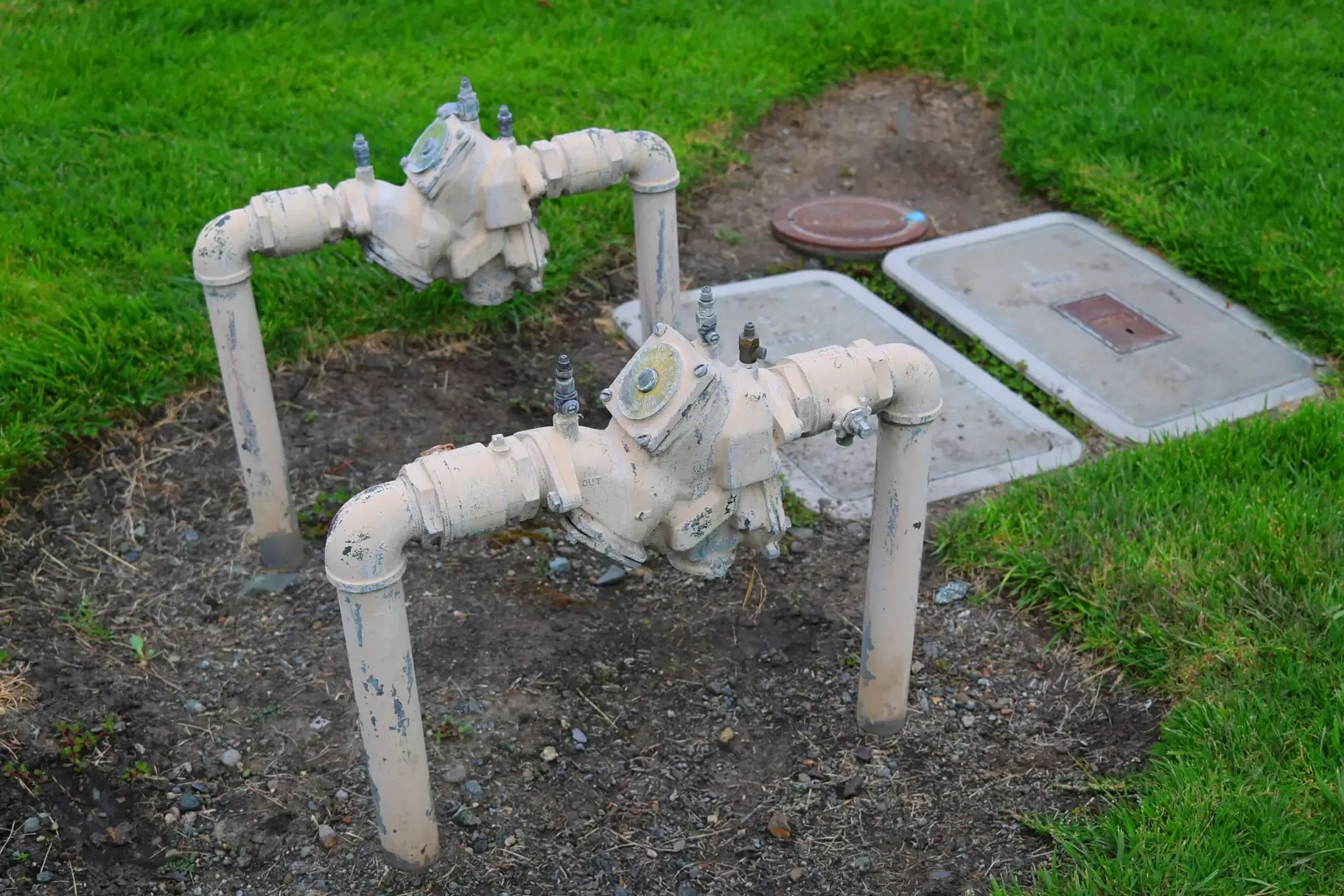
Drip irrigation requires significantly lower operating pressure than rotor or spray zones — typically 20–30 PSI versus the 45–65 PSI that standard residential systems run. Without a pressure regulator at the zone entry, standard supply pressure collapses drip tubing fittings, blows emitters off their stakes, and causes micro-burst failures that go undetected until a plant dies. LP installs 200-mesh disc filters and pressure regulators at every drip zone entry as standard — not optional — components that prevent the most common drip failures.

05

Converting Spray Zones to Drip

Spray heads in ornamental beds apply water at 1.0–2.0 inches per hour — rates that exceed the infiltration capacity of most mulched bed soil and wet foliage unnecessarily, creating the ideal conditions for powdery mildew and fungal leaf spot. LP retrofits spray bed zones to drip by capping existing risers, installing a pressure regulator and filter at the valve, and routing distribution tubing through existing beds. Controller runtimes are recalculated — drip zones require 2–4 times longer runtimes at 0.5–1.0 GPH application rates to deliver the same soil moisture depth.

06

Subsurface Drip (SDI) for Turf Edges & Vegetable Beds

Subsurface drip irrigation (SDI) buries 1/2-inch pressure-compensating dripline at 8–12 inches depth, delivering water directly to the root zone with zero surface evaporation and no interference with foot traffic, mowing, or mulching. LP installs SDI in narrow turf edge strips where spray heads are impractical and in vegetable garden beds where consistent root-zone moisture and dry soil surface conditions actively suppress weed germination — one of the most effective low-maintenance bed management strategies available.

Recent Drip Installations

Drip systems across Kootenai County beds and gardens.
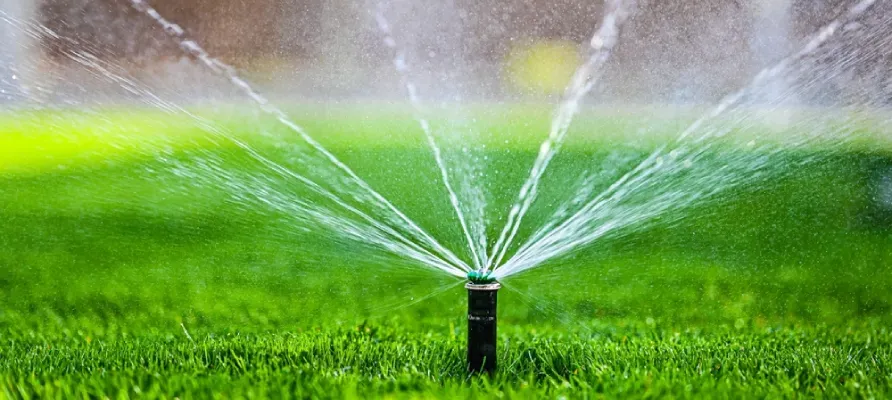
Maintenance project image featuring debris control supporting fewer stress symptoms in Post Falls, Coeur d'Alene, and North Idaho
Maintenance project image featuring irrigation observation supporting owner confidence in Post Falls, Coeur d'Alene, and North Idaho
Maintenance project image featuring edge refinement supporting owner confidence in Post Falls, Coeur d'Alene, and North Idaho
Maintenance project image featuring service routing supporting healthier seasonal growth in Post Falls, Coeur d'Alene, and North Idaho
Common Questions

Frequently Asked Questions

Is drip irrigation better than spray for North Idaho gardens and beds?
For ornamental beds, mixed shrub borders, vegetable gardens, and native plantings, drip is consistently the better-performing and more efficient delivery method in North Idaho conditions. Spray is appropriate for large turf areas where the practicality of rotor coverage outweighs the evaporation losses. In beds with mulch, the combination of drip irrigation and 3-inch organic mulch depth reduces required irrigation frequency by 40–60% compared to spray-irrigated, unmulched beds — a significant difference in a July heat wave when temperatures spike above 95°F for multi-day stretches in the Rathdrum Prairie.
How do I prevent drip emitters from clogging?
Emitter clogging is the primary failure mode in drip systems, typically caused by sediment, mineral scale from hard water, or root intrusion in subsurface systems. LP addresses clogging at three points: installing a 200-mesh disc filter at every drip zone entry, specifying pressure-compensating emitters with self-cleaning mechanisms where available, and recommending annual filter cleaning during spring startup. Post Falls and CDA municipal water has moderate hardness — mineral scale develops over 3–5 seasons on standard emitters. LP inspects and clears or replaces emitters as part of full-system service visits.
Will drip irrigation work through the winter in North Idaho, or does it need to be winterized?
Drip systems require the same fall winterization as any other irrigation system connected to a potable water supply in Kootenai County. 1/2-inch distribution tubing on the surface will freeze and crack if water is left in the line through a hard freeze. LP blow-out winterizes drip zones as part of standard fall service — compressed air purges distribution tubing, emitters, and filter bodies. Subsurface dripline installed below 8 inches is less vulnerable but still requires the supply side to be isolated and drained. Drip system winterization is included in LP's annual fall service agreement.
How does drip irrigation cost compare to spray irrigation for a garden bed in Post Falls?
Drip irrigation installation costs are typically comparable to or slightly less than spray head installation for the same bed area — 1/2-inch distribution tubing and 1/4-inch emitter runs cost less per linear foot than spray head risers and nozzles on the same zone. The system components that add cost in drip are the pressure regulator and filter at zone entry ($40–$70 installed) and, for larger beds, the controller zone capacity required. Converting an existing spray zone to drip is typically $150–$400 depending on bed size, existing wiring condition, and whether the zone valve needs replacement.
Which plants are best suited for drip irrigation in North Idaho?
Virtually all ornamental shrubs, perennials, groundcovers, roses, and vegetable crops grown in North Idaho perform well with drip irrigation — the critical requirement is that emitter flow rates and spacing be matched to plant mature size. Native plants adapted to North Idaho's dry-summer, moderate-winter pattern — Idaho fescue, serviceberry, mock orange, red-twig dogwood, and native penstemons — are particularly well served by drip's ability to deliver infrequent, deep soil moisture that mimics natural precipitation patterns rather than the frequent shallow wetting of spray irrigation, which promotes surface rooting and drought vulnerability.

Free Estimate

Water your roots, not your weeds.

Coeur d'Alene Post Falls Hayden Rathdrum Spirit Lake Dalton Gardens Athol Moscow Genesee Troy Potlatch Deary Sandpoint Ponderay Priest River Dover Kootenai Kellogg Pinehurst Osburn Wallace Smelterville St. Maries Plummer Coeur d'Alene Post Falls Hayden Rathdrum Spirit Lake Dalton Gardens Athol Moscow Genesee Troy Potlatch Deary Sandpoint Ponderay Priest River Dover Kootenai Kellogg Pinehurst Osburn Wallace Smelterville St. Maries Plummer Coeur d'Alene Post Falls Hayden Rathdrum Spirit Lake Dalton Gardens Athol Moscow Genesee Troy Potlatch Deary Sandpoint Ponderay Priest River Dover Kootenai Kellogg Pinehurst Osburn Wallace Smelterville St. Maries Plummer Coeur d'Alene Post Falls Hayden Rathdrum Spirit Lake Dalton Gardens Athol Moscow Genesee Troy Potlatch Deary Sandpoint Ponderay Priest River Dover Kootenai Kellogg Pinehurst Osburn Wallace Smelterville St. Maries Plummer
Call Now Book Free Estimate