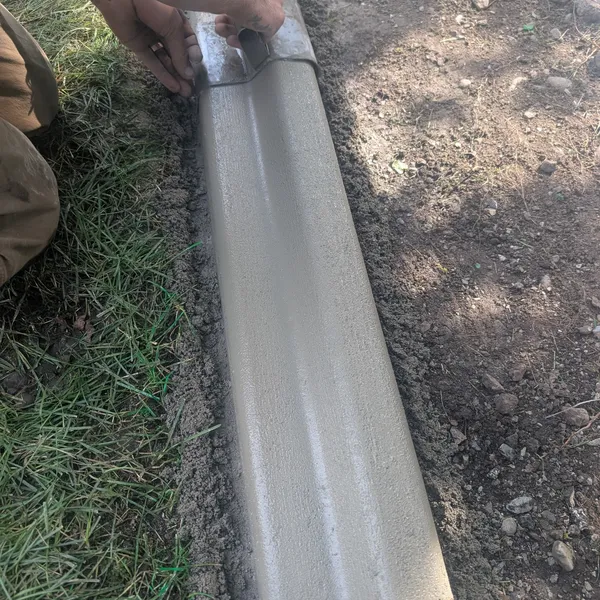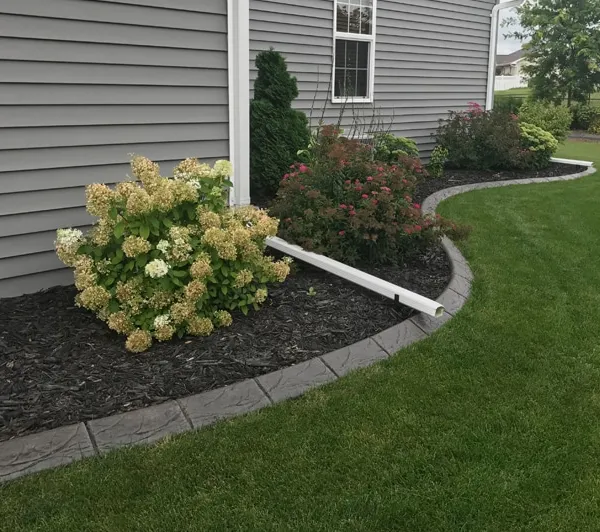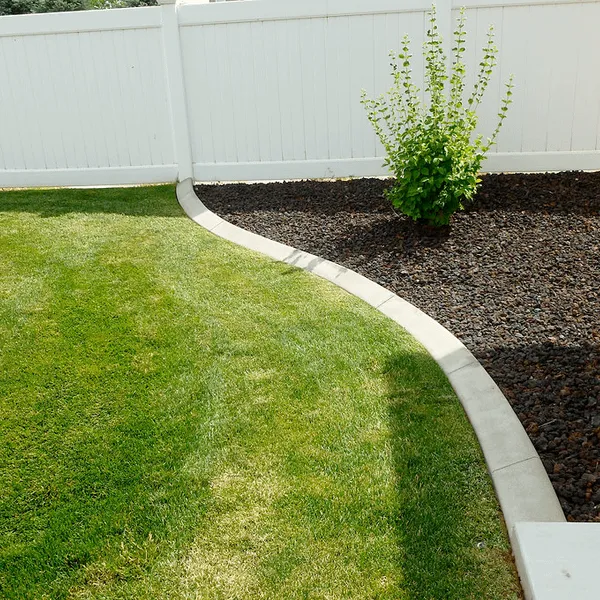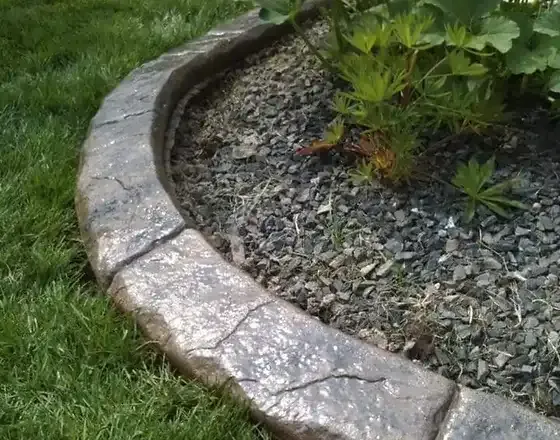
Maintenance project image featuring service routing supporting predictable weekly results in Post Falls, Coeur d'Alene, and North Idaho
Curbing / Curb Sealing & Restoration

Curb Sealing & Restoration

Color Restoration UV-Stable Sealer Crack Repair Pre-Winter Scheduling All Brands Serviced
Calibration Relocation Smart Central Control Systems Seasonal Color Rotations Weed Control Valve Maintenance Segmental Block Retaining Walls De-Icing Weather Station Native Plant Design HOA Maintenance Water Feature Excavation Field Mowing Detention Ponds Vegetated Green Roof Maintenance Automated Lighting Control Systems Repair Drainage Flatwork Slope Stabilization Annual Displays Flow Sensor Install Bollard Light Installation Driveway Base Underground Utility Installation Natural Stone Patios Irrigation System Retrofitting Pigmented Concrete Bark Application Septic System Site Prep Continuous Concrete Edging Slip-and-Fall Mitigation Commercial Turf Management Right-of-Way Clearing Revegetation Pipe Repair Hedge Trimming Invasive Species Management 24/7 Zero-Tolerance Plowing Textured Borders Energy Savings Optimization Restoration Porter Services Hydroseeding Commercial-Grade Curbing Bi-Weekly Lawn Care PICP Ponds Fall Cleanups Overseeding Concrete Paving Full-Scale Landscape Design Shrub Health Care Hard Surface Maintenance Custom Integrated Lighting Urban Beautification Architectural Accent Lighting Drip Irrigation Installation Garden Bed Definition Install Utility Trenching Reporting Hedge Planting Mower-Edge Profiles Vegetation Management SWPPP Compliance De-Icing Backflow Prevention Testing Commercial Chimneys Removal Emergency Storm Response Sealing Irrigation Pump Station Maintenance Hearths Athletic Field Construction Tree Ring Enclosure Public Works Infrastructure Structural Retaining Walls Real-Time Weather Monitoring Blow-Outs Native Prairie Meadow Restoration Restoration Creek Crossings High-Volume Pumps Bed Preparation Natural Boulder Retaining Walls Liquid Brine Pre-Treatment Artificial Grass Bioswale Rain Garden Engineering Mulch Bed Pre-Emergent Weed Treatment Paths Integrated Pest Management (IPM) Security Perimeter Lighting Custom Irrigation System Design Bio-Retention Cell Maintenance Dust Control Cut/Fill ADA Compliance Upgrades Park & Playground Construction Redefining Dedicated Site Staging Land Clearing Disposal Softscape Installation Approaches Sidewalks Foundation Excavation Natural Stone Inlay Pressure Regulating Valve Installation Driveway Accents Smart Controller Integration Calibration Relocation Smart Central Control Systems Seasonal Color Rotations Weed Control Valve Maintenance Segmental Block Retaining Walls De-Icing Weather Station Native Plant Design HOA Maintenance Water Feature Excavation Field Mowing Detention Ponds Vegetated Green Roof Maintenance Automated Lighting Control Systems Repair Drainage Flatwork Slope Stabilization Annual Displays Flow Sensor Install Bollard Light Installation Driveway Base Underground Utility Installation Natural Stone Patios Irrigation System Retrofitting Pigmented Concrete Bark Application Septic System Site Prep Continuous Concrete Edging Slip-and-Fall Mitigation Commercial Turf Management Right-of-Way Clearing Revegetation Pipe Repair Hedge Trimming Invasive Species Management 24/7 Zero-Tolerance Plowing Textured Borders Energy Savings Optimization Restoration Porter Services Hydroseeding Commercial-Grade Curbing Bi-Weekly Lawn Care PICP Ponds Fall Cleanups Overseeding Concrete Paving Full-Scale Landscape Design Shrub Health Care Hard Surface Maintenance Custom Integrated Lighting Urban Beautification Architectural Accent Lighting Drip Irrigation Installation Garden Bed Definition Install Utility Trenching Reporting Hedge Planting Mower-Edge Profiles Vegetation Management SWPPP Compliance De-Icing Backflow Prevention Testing Commercial Chimneys Removal Emergency Storm Response Sealing Irrigation Pump Station Maintenance Hearths Athletic Field Construction Tree Ring Enclosure Public Works Infrastructure Structural Retaining Walls Real-Time Weather Monitoring Blow-Outs Native Prairie Meadow Restoration Restoration Creek Crossings High-Volume Pumps Bed Preparation Natural Boulder Retaining Walls Liquid Brine Pre-Treatment Artificial Grass Bioswale Rain Garden Engineering Mulch Bed Pre-Emergent Weed Treatment Paths Integrated Pest Management (IPM) Security Perimeter Lighting Custom Irrigation System Design Bio-Retention Cell Maintenance Dust Control Cut/Fill ADA Compliance Upgrades Park & Playground Construction Redefining Dedicated Site Staging Land Clearing Disposal Softscape Installation Approaches Sidewalks Foundation Excavation Natural Stone Inlay Pressure Regulating Valve Installation Driveway Accents Smart Controller Integration Calibration Relocation Smart Central Control Systems Seasonal Color Rotations Weed Control Valve Maintenance Segmental Block Retaining Walls De-Icing Weather Station Native Plant Design HOA Maintenance Water Feature Excavation Field Mowing Detention Ponds Vegetated Green Roof Maintenance Automated Lighting Control Systems Repair Drainage Flatwork Slope Stabilization Annual Displays Flow Sensor Install Bollard Light Installation Driveway Base Underground Utility Installation Natural Stone Patios Irrigation System Retrofitting Pigmented Concrete Bark Application Septic System Site Prep Continuous Concrete Edging Slip-and-Fall Mitigation Commercial Turf Management Right-of-Way Clearing Revegetation Pipe Repair Hedge Trimming Invasive Species Management 24/7 Zero-Tolerance Plowing Textured Borders Energy Savings Optimization Restoration Porter Services Hydroseeding Commercial-Grade Curbing Bi-Weekly Lawn Care PICP Ponds Fall Cleanups Overseeding Concrete Paving Full-Scale Landscape Design Shrub Health Care Hard Surface Maintenance Custom Integrated Lighting Urban Beautification Architectural Accent Lighting Drip Irrigation Installation Garden Bed Definition Install Utility Trenching Reporting Hedge Planting Mower-Edge Profiles Vegetation Management SWPPP Compliance De-Icing Backflow Prevention Testing Commercial Chimneys Removal Emergency Storm Response Sealing Irrigation Pump Station Maintenance Hearths Athletic Field Construction Tree Ring Enclosure Public Works Infrastructure Structural Retaining Walls Real-Time Weather Monitoring Blow-Outs Native Prairie Meadow Restoration Restoration Creek Crossings High-Volume Pumps Bed Preparation Natural Boulder Retaining Walls Liquid Brine Pre-Treatment Artificial Grass Bioswale Rain Garden Engineering Mulch Bed Pre-Emergent Weed Treatment Paths Integrated Pest Management (IPM) Security Perimeter Lighting Custom Irrigation System Design Bio-Retention Cell Maintenance Dust Control Cut/Fill ADA Compliance Upgrades Park & Playground Construction Redefining Dedicated Site Staging Land Clearing Disposal Softscape Installation Approaches Sidewalks Foundation Excavation Natural Stone Inlay Pressure Regulating Valve Installation Driveway Accents Smart Controller Integration Calibration Relocation Smart Central Control Systems Seasonal Color Rotations Weed Control Valve Maintenance Segmental Block Retaining Walls De-Icing Weather Station Native Plant Design HOA Maintenance Water Feature Excavation Field Mowing Detention Ponds Vegetated Green Roof Maintenance Automated Lighting Control Systems Repair Drainage Flatwork Slope Stabilization Annual Displays Flow Sensor Install Bollard Light Installation Driveway Base Underground Utility Installation Natural Stone Patios Irrigation System Retrofitting Pigmented Concrete Bark Application Septic System Site Prep Continuous Concrete Edging Slip-and-Fall Mitigation Commercial Turf Management Right-of-Way Clearing Revegetation Pipe Repair Hedge Trimming Invasive Species Management 24/7 Zero-Tolerance Plowing Textured Borders Energy Savings Optimization Restoration Porter Services Hydroseeding Commercial-Grade Curbing Bi-Weekly Lawn Care PICP Ponds Fall Cleanups Overseeding Concrete Paving Full-Scale Landscape Design Shrub Health Care Hard Surface Maintenance Custom Integrated Lighting Urban Beautification Architectural Accent Lighting Drip Irrigation Installation Garden Bed Definition Install Utility Trenching Reporting Hedge Planting Mower-Edge Profiles Vegetation Management SWPPP Compliance De-Icing Backflow Prevention Testing Commercial Chimneys Removal Emergency Storm Response Sealing Irrigation Pump Station Maintenance Hearths Athletic Field Construction Tree Ring Enclosure Public Works Infrastructure Structural Retaining Walls Real-Time Weather Monitoring Blow-Outs Native Prairie Meadow Restoration Restoration Creek Crossings High-Volume Pumps Bed Preparation Natural Boulder Retaining Walls Liquid Brine Pre-Treatment Artificial Grass Bioswale Rain Garden Engineering Mulch Bed Pre-Emergent Weed Treatment Paths Integrated Pest Management (IPM) Security Perimeter Lighting Custom Irrigation System Design Bio-Retention Cell Maintenance Dust Control Cut/Fill ADA Compliance Upgrades Park & Playground Construction Redefining Dedicated Site Staging Land Clearing Disposal Softscape Installation Approaches Sidewalks Foundation Excavation Natural Stone Inlay Pressure Regulating Valve Installation Driveway Accents Smart Controller Integration
Why Re-Sealing Matters

The maintenance that
doubles your curbing's life.

Every concrete curbing installation leaves the site with a fresh sealer coat applied before the crew drives away. That sealer is not permanent. In North Idaho, with UV intensity at elevation and 30–40 freeze-thaw cycles per year, the sealer on an unprotected exterior surface begins to break down within three to five years. It's not a defect — it's physics. The question is whether you address it before or after the damage starts.

When sealer fails, water infiltrates the surface and begins migrating into the micro-pore structure of the concrete. Freeze-thaw cycling then expands and contracts that water, creating surface spalling — the characteristic flaking that signals deterioration is underway. Once spalling starts, it accelerates. A re-seal at year three or four prevents spalling from ever starting. A re-seal at year ten or twelve stops it from going deeper. A re-seal at year fifteen means you're managing the damage instead of preventing it.

LP offers sealing and restoration for all concrete curbing in Kootenai County — not just installations we originally placed. If your curbing is faded, chalking, or showing early surface wear, a professional re-seal is almost always the right answer before replacement is even considered. We'll tell you honestly which situation you're in when we look at it.
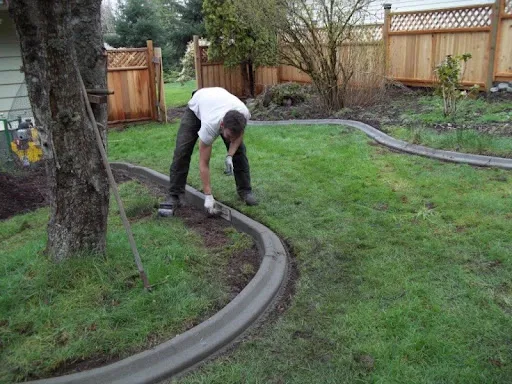
Residential landscaping design and installation work featuring native palette planning supporting clean transition lines in Post Falls and North Idaho from a project gallery
Why Re-Seal Now

What professional sealing
delivers over waiting.

Renews Color Without Replacement

A professional deep-clean and re-seal restores faded integral color to near-original appearance — for a fraction of the cost of replacement. In most cases, homeowners can't tell a 10-year-old sealed installation from a new one.

Stops Surface Deterioration Cold

Surface spalling and micro-cracking accelerate when an unsealed or dried-out sealer allows water infiltration. A timely re-seal stops the process before it penetrates into the concrete structure.

Extends Lifespan Dramatically

Well-maintained, regularly sealed concrete curbing commonly reaches 25–30 year service life in North Idaho. Neglected, unsealed curbing may begin structural deterioration within 8–12 years.

Protects Investment in Existing Curbing

Whether LP installed your curbing or another contractor did, proper re-sealing extends the life of what's already there. LP provides restoration services for all concrete curbing — not just our own installations.

Client Testimonials

Restored curbing that
looks brand new again.

"Our curbing was starting to look faded and cracked after 10 years. LP's restoration service made it look brand new again. The color came back beautifully and it's like having new curbing without the cost."
David Martinez
Homeowner
Private Residence
Post Falls, ID
"LP saved us from having to replace our entire curbing system. Their sealing and restoration process brought back the original color and stopped the cracking. Professional service from start to finish."
Sarah Johnson
Property Owner
Johnson Family Estate
Coeur d'Alene, ID
"We were quoted $15,000 to replace our curbing. LP's restoration cost $2,500 and looks fantastic. They know what they're doing and the results speak for themselves."
Robert Wilson
HOA President
Maple Ridge Community
Hayden, ID
Sealing Services

Every sealing scenario,
properly addressed.

From a straightforward re-seal on a recently faded installation to a full crack-repair-and-restoration on a neglected system — LP offers the complete range of sealing and restoration services for residential and commercial concrete curbing.

Full-System Re-Sealing

Complete curbing system cleaning, prep, and sealer application — covering all bed edges, mow strips, tree rings, and pathway borders in a single mobilization.

Spot Sealing & Touch-Up

Targeted sealing for sections where the existing sealer has failed locally — high-UV areas, sections near deicing salt, or areas that received more foot traffic than the rest of the system.

Color Restoration Sealing

High-solids, tinted sealer application that restores faded integral color to near-original appearance — especially effective on buff, tan, and earth-tone installations that have lightened with UV exposure.

Crack Repair & Patching

Structural crack repair with color-matched flexible filler, followed by sealing to prevent water infiltration at the repair zone. For cracks wider than 1/4 inch, full-section replacement is recommended.

Annual Maintenance Programs

Scheduled annual inspection, cleaning, and sealing service for residential and commercial curbing systems — predictable maintenance that prevents expensive repair calls.

Pre-Winter Sealing

Seasonal sealing service completed in October–November before the first hard freeze — ensuring the sealer cures fully before freeze-thaw cycling begins. Particularly important for older installations.

How often should concrete curbing be sealed?

Concrete curbing should be sealed every 2–3 years in North Idaho's climate. UV exposure, freeze-thaw cycles, and deicing salt accelerate sealer breakdown. LP recommends annual inspections and sealing before winter to protect against salt damage.

Based on 18 years of North Idaho curbing maintenance experience

Can faded curbing color be restored without replacement?

Yes, professional sealing can restore 80–90% of original color vibrancy. LP uses deep-cleaning techniques and premium sealers that penetrate and restore faded integral color. Results are often indistinguishable from new installations.

LP restores thousands of linear feet annually in Kootenai County

How much does curbing sealing cost in North Idaho?

Curbing sealing costs $0.75–$1.50 per linear foot in Kootenai County, depending on condition and sealer type. Full restoration (including crack repair) ranges from $1.25–$2.25 per foot. Much more affordable than replacement.

2024 pricing for Post Falls, CDA, and Hayden residential properties

Does sealing prevent concrete curbing cracks?

Sealing prevents surface deterioration and slows crack progression but doesn't stop structural movement. LP can repair existing cracks before sealing. For severe cracking, replacement may be needed rather than sealing alone.

LP provides honest assessments — sealing when appropriate, replacement when necessary
North Idaho Climate Reality

Why sealing matters most
in North Idaho's climate.

No concrete installation in Kootenai County survives long-term without sealer maintenance — not flatwork, not driveways, and especially not the relatively thin-section curbing profiles that are most exposed to weather cycling. The combination of UV intensity at elevation, freeze-thaw cycling, and spring snowmelt with deicing salt runoff is the most aggressive concrete exposure environment in the inland West.

LP recommends a first re-seal at 3–5 years after installation, and every 3–5 years thereafter depending on sun exposure and traffic. For curbing adjacent to driveways maintained with calcium chloride or rock salt deicers, we recommend annual inspection and re-sealing on a 2–3 year cycle. These intervals are not sales opportunities — they're the maintenance schedule that actually protects the investment, and we'll tell you if your curbing doesn't need sealing yet when we come to look at it.

3–5 Yrs
Re-Seal Interval
Standard re-seal recommendation for residential curbing in North Idaho.
25–30 Yrs
Lifespan w/ Maintenance
Well-maintained sealed curbing service life in the Inland Northwest climate.
8–12 Yrs
Lifespan w/o Sealing
Approximate structural deterioration onset for unsealed concrete curbing in North Idaho.
Near-New
Color Restoration
High-solids color-restoring sealer brings faded earth-tone installations back to near-original appearance.
Project Gallery

Sealing & restoration
in the field.
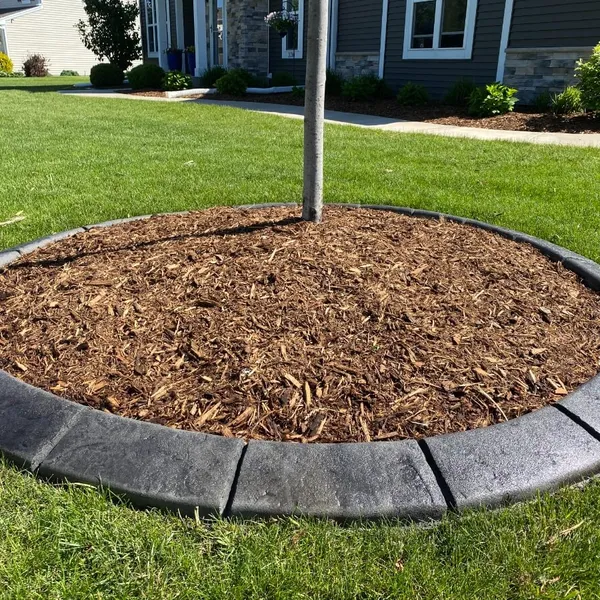
Maintenance project image featuring finish pass quality supporting owner confidence in Post Falls, Coeur d'Alene, and North Idaho
Post Falls Residence
Color restoration after 8 years
Landscaping project image featuring seasonal color layering supporting visual rhythm and curb appeal in Post Falls, Coeur d'Alene, and North Idaho, gallery view 2
Coeur d'Alene Home
Crack repair and full sealing
Landscaping project image featuring planting choreography supporting balanced texture and depth in Post Falls, Coeur d'Alene, and North Idaho, gallery view 2
Hayden Property
Before/after restoration
Landscaping project image featuring native palette planning supporting balanced texture and depth in Post Falls, Coeur d'Alene, and North Idaho, gallery view 2
Rathdrum Estate
Pre-winter sealing service
Common Questions

Frequently Asked Questions

How do I know if my concrete curbing needs to be resealed?
The simplest test is the water bead test — splash a small amount of water on the curbing surface. If it beads up and sheets off, the sealer is still working. If it absorbs into the surface and darkens the concrete, the sealer has failed and re-sealing is recommended. Visible signs of sealer failure include surface whitening (efflorescence), dusting concrete surface, color fading beyond normal weathering, or visible micro-cracking that wasn't there before. LP provides a free visual assessment during any site visit.
Can you restore curbing that was installed by another contractor — not LP?
Yes. Our sealing and restoration services are available for all concrete curbing regardless of who installed it. We'll assess the current condition, recommend the appropriate sealer type for the profile and exposure conditions, and provide a written estimate. The only case where we'd decline is if the existing installation has structural defects that sealing won't correct — in that case we'll tell you honestly what replacement would cost versus what restoration can and can't address.
What type of sealer does LP use for restoration work?
The sealer type depends on the existing installation's condition and exposure. For standard residential re-sealing, we use a penetrating acrylic sealer — the same type applied at installation — which bonds to the existing sealed surface and restores the protective layer without requiring full stripping. For significantly faded installations, we use a high-solids color-restoring acrylic that provides both UV protection and visual color renewal. For commercial installations with deicing salt exposure, we upgrade to a higher-solids, chemical-resistant formulation. All sealer types are specified in the written estimate.
How long does a re-sealing project take?
A standard residential curbing system (150–300 linear feet) can typically be cleaned, prepped, and resealed in a single day. The sealer needs 4–6 hours of dry cure time before the surface can receive light foot traffic, and 24 hours before vehicle contact. We schedule sealing work when dry weather is forecast for at least 48 hours — sealer application in rain or forecast below 50°F temperatures is rescheduled, not cut short. LP provides a weather-contingent scheduling note in every sealing estimate.

Free Estimate

Don't replace it — restore it.

Coeur d'Alene Post Falls Hayden Rathdrum Spirit Lake Dalton Gardens Athol Moscow Genesee Troy Potlatch Deary Sandpoint Ponderay Priest River Dover Kootenai Kellogg Pinehurst Osburn Wallace Smelterville St. Maries Plummer Coeur d'Alene Post Falls Hayden Rathdrum Spirit Lake Dalton Gardens Athol Moscow Genesee Troy Potlatch Deary Sandpoint Ponderay Priest River Dover Kootenai Kellogg Pinehurst Osburn Wallace Smelterville St. Maries Plummer Coeur d'Alene Post Falls Hayden Rathdrum Spirit Lake Dalton Gardens Athol Moscow Genesee Troy Potlatch Deary Sandpoint Ponderay Priest River Dover Kootenai Kellogg Pinehurst Osburn Wallace Smelterville St. Maries Plummer Coeur d'Alene Post Falls Hayden Rathdrum Spirit Lake Dalton Gardens Athol Moscow Genesee Troy Potlatch Deary Sandpoint Ponderay Priest River Dover Kootenai Kellogg Pinehurst Osburn Wallace Smelterville St. Maries Plummer
Call Now Book Free Estimate