Placeholder image
Irrigation / Leak Detection & Pipe Repair

Leak Detection & Pipe Repair

Acoustic Underground Leak Location Zone Flow Testing & Diagnosis Poly & PVC Lateral Repair Pressure Test Before Backfill No Exploratory Trenching
Redefining Chimneys Hearths Bio-Retention Cell Maintenance Commercial Turf Management Irrigation Pump Station Maintenance Tree Ring Enclosure Land Clearing Native Prairie Meadow Restoration Natural Stone Inlay Vegetated Green Roof Maintenance 24/7 Zero-Tolerance Plowing Urban Beautification Dust Control Artificial Grass PICP Smart Controller Integration Hard Surface Maintenance Textured Borders Automated Lighting Control Systems Approaches Concrete Paving Pipe Repair Slip-and-Fall Mitigation Driveway Base Calibration High-Volume Pumps Foundation Excavation Park & Playground Construction Vegetation Management Natural Boulder Retaining Walls Weed Control Hedge Trimming Flatwork Porter Services Integrated Pest Management (IPM) Relocation Segmental Block Retaining Walls Softscape Installation Energy Savings Cut/Fill Revegetation Invasive Species Management Hydroseeding Slope Stabilization Paths Install Repair Native Plant Design Underground Utility Installation HOA Maintenance Water Feature Excavation Shrub Health Care Bollard Light Installation Garden Bed Definition Drip Irrigation Installation Overseeding Athletic Field Construction Septic System Site Prep Ponds Detention Ponds Liquid Brine Pre-Treatment ADA Compliance Upgrades De-Icing Dedicated Site Staging Restoration Hedge Planting Drainage Security Perimeter Lighting Pressure Regulating Valve Installation Right-of-Way Clearing Removal Fall Cleanups Pigmented Concrete Continuous Concrete Edging Field Mowing Creek Crossings Reporting Disposal Sidewalks Bioswale Rain Garden Engineering Annual Displays Real-Time Weather Monitoring Commercial-Grade Curbing Architectural Accent Lighting De-Icing Structural Retaining Walls Bark Application Full-Scale Landscape Design Emergency Storm Response Smart Central Control Systems Custom Integrated Lighting Sealing Custom Irrigation System Design Utility Trenching Natural Stone Patios Public Works Infrastructure SWPPP Compliance Driveway Accents Flow Sensor Install Seasonal Color Rotations Weather Station Mulch Bed Pre-Emergent Weed Treatment Optimization Restoration Irrigation System Retrofitting Backflow Prevention Testing Commercial Valve Maintenance Bi-Weekly Lawn Care Blow-Outs Mower-Edge Profiles Bed Preparation Redefining Chimneys Hearths Bio-Retention Cell Maintenance Commercial Turf Management Irrigation Pump Station Maintenance Tree Ring Enclosure Land Clearing Native Prairie Meadow Restoration Natural Stone Inlay Vegetated Green Roof Maintenance 24/7 Zero-Tolerance Plowing Urban Beautification Dust Control Artificial Grass PICP Smart Controller Integration Hard Surface Maintenance Textured Borders Automated Lighting Control Systems Approaches Concrete Paving Pipe Repair Slip-and-Fall Mitigation Driveway Base Calibration High-Volume Pumps Foundation Excavation Park & Playground Construction Vegetation Management Natural Boulder Retaining Walls Weed Control Hedge Trimming Flatwork Porter Services Integrated Pest Management (IPM) Relocation Segmental Block Retaining Walls Softscape Installation Energy Savings Cut/Fill Revegetation Invasive Species Management Hydroseeding Slope Stabilization Paths Install Repair Native Plant Design Underground Utility Installation HOA Maintenance Water Feature Excavation Shrub Health Care Bollard Light Installation Garden Bed Definition Drip Irrigation Installation Overseeding Athletic Field Construction Septic System Site Prep Ponds Detention Ponds Liquid Brine Pre-Treatment ADA Compliance Upgrades De-Icing Dedicated Site Staging Restoration Hedge Planting Drainage Security Perimeter Lighting Pressure Regulating Valve Installation Right-of-Way Clearing Removal Fall Cleanups Pigmented Concrete Continuous Concrete Edging Field Mowing Creek Crossings Reporting Disposal Sidewalks Bioswale Rain Garden Engineering Annual Displays Real-Time Weather Monitoring Commercial-Grade Curbing Architectural Accent Lighting De-Icing Structural Retaining Walls Bark Application Full-Scale Landscape Design Emergency Storm Response Smart Central Control Systems Custom Integrated Lighting Sealing Custom Irrigation System Design Utility Trenching Natural Stone Patios Public Works Infrastructure SWPPP Compliance Driveway Accents Flow Sensor Install Seasonal Color Rotations Weather Station Mulch Bed Pre-Emergent Weed Treatment Optimization Restoration Irrigation System Retrofitting Backflow Prevention Testing Commercial Valve Maintenance Bi-Weekly Lawn Care Blow-Outs Mower-Edge Profiles Bed Preparation Redefining Chimneys Hearths Bio-Retention Cell Maintenance Commercial Turf Management Irrigation Pump Station Maintenance Tree Ring Enclosure Land Clearing Native Prairie Meadow Restoration Natural Stone Inlay Vegetated Green Roof Maintenance 24/7 Zero-Tolerance Plowing Urban Beautification Dust Control Artificial Grass PICP Smart Controller Integration Hard Surface Maintenance Textured Borders Automated Lighting Control Systems Approaches Concrete Paving Pipe Repair Slip-and-Fall Mitigation Driveway Base Calibration High-Volume Pumps Foundation Excavation Park & Playground Construction Vegetation Management Natural Boulder Retaining Walls Weed Control Hedge Trimming Flatwork Porter Services Integrated Pest Management (IPM) Relocation Segmental Block Retaining Walls Softscape Installation Energy Savings Cut/Fill Revegetation Invasive Species Management Hydroseeding Slope Stabilization Paths Install Repair Native Plant Design Underground Utility Installation HOA Maintenance Water Feature Excavation Shrub Health Care Bollard Light Installation Garden Bed Definition Drip Irrigation Installation Overseeding Athletic Field Construction Septic System Site Prep Ponds Detention Ponds Liquid Brine Pre-Treatment ADA Compliance Upgrades De-Icing Dedicated Site Staging Restoration Hedge Planting Drainage Security Perimeter Lighting Pressure Regulating Valve Installation Right-of-Way Clearing Removal Fall Cleanups Pigmented Concrete Continuous Concrete Edging Field Mowing Creek Crossings Reporting Disposal Sidewalks Bioswale Rain Garden Engineering Annual Displays Real-Time Weather Monitoring Commercial-Grade Curbing Architectural Accent Lighting De-Icing Structural Retaining Walls Bark Application Full-Scale Landscape Design Emergency Storm Response Smart Central Control Systems Custom Integrated Lighting Sealing Custom Irrigation System Design Utility Trenching Natural Stone Patios Public Works Infrastructure SWPPP Compliance Driveway Accents Flow Sensor Install Seasonal Color Rotations Weather Station Mulch Bed Pre-Emergent Weed Treatment Optimization Restoration Irrigation System Retrofitting Backflow Prevention Testing Commercial Valve Maintenance Bi-Weekly Lawn Care Blow-Outs Mower-Edge Profiles Bed Preparation Redefining Chimneys Hearths Bio-Retention Cell Maintenance Commercial Turf Management Irrigation Pump Station Maintenance Tree Ring Enclosure Land Clearing Native Prairie Meadow Restoration Natural Stone Inlay Vegetated Green Roof Maintenance 24/7 Zero-Tolerance Plowing Urban Beautification Dust Control Artificial Grass PICP Smart Controller Integration Hard Surface Maintenance Textured Borders Automated Lighting Control Systems Approaches Concrete Paving Pipe Repair Slip-and-Fall Mitigation Driveway Base Calibration High-Volume Pumps Foundation Excavation Park & Playground Construction Vegetation Management Natural Boulder Retaining Walls Weed Control Hedge Trimming Flatwork Porter Services Integrated Pest Management (IPM) Relocation Segmental Block Retaining Walls Softscape Installation Energy Savings Cut/Fill Revegetation Invasive Species Management Hydroseeding Slope Stabilization Paths Install Repair Native Plant Design Underground Utility Installation HOA Maintenance Water Feature Excavation Shrub Health Care Bollard Light Installation Garden Bed Definition Drip Irrigation Installation Overseeding Athletic Field Construction Septic System Site Prep Ponds Detention Ponds Liquid Brine Pre-Treatment ADA Compliance Upgrades De-Icing Dedicated Site Staging Restoration Hedge Planting Drainage Security Perimeter Lighting Pressure Regulating Valve Installation Right-of-Way Clearing Removal Fall Cleanups Pigmented Concrete Continuous Concrete Edging Field Mowing Creek Crossings Reporting Disposal Sidewalks Bioswale Rain Garden Engineering Annual Displays Real-Time Weather Monitoring Commercial-Grade Curbing Architectural Accent Lighting De-Icing Structural Retaining Walls Bark Application Full-Scale Landscape Design Emergency Storm Response Smart Central Control Systems Custom Integrated Lighting Sealing Custom Irrigation System Design Utility Trenching Natural Stone Patios Public Works Infrastructure SWPPP Compliance Driveway Accents Flow Sensor Install Seasonal Color Rotations Weather Station Mulch Bed Pre-Emergent Weed Treatment Optimization Restoration Irrigation System Retrofitting Backflow Prevention Testing Commercial Valve Maintenance Bi-Weekly Lawn Care Blow-Outs Mower-Edge Profiles Bed Preparation
Find It Without Digging Blind

Underground Pipe Failures Found
Before They Cost You More

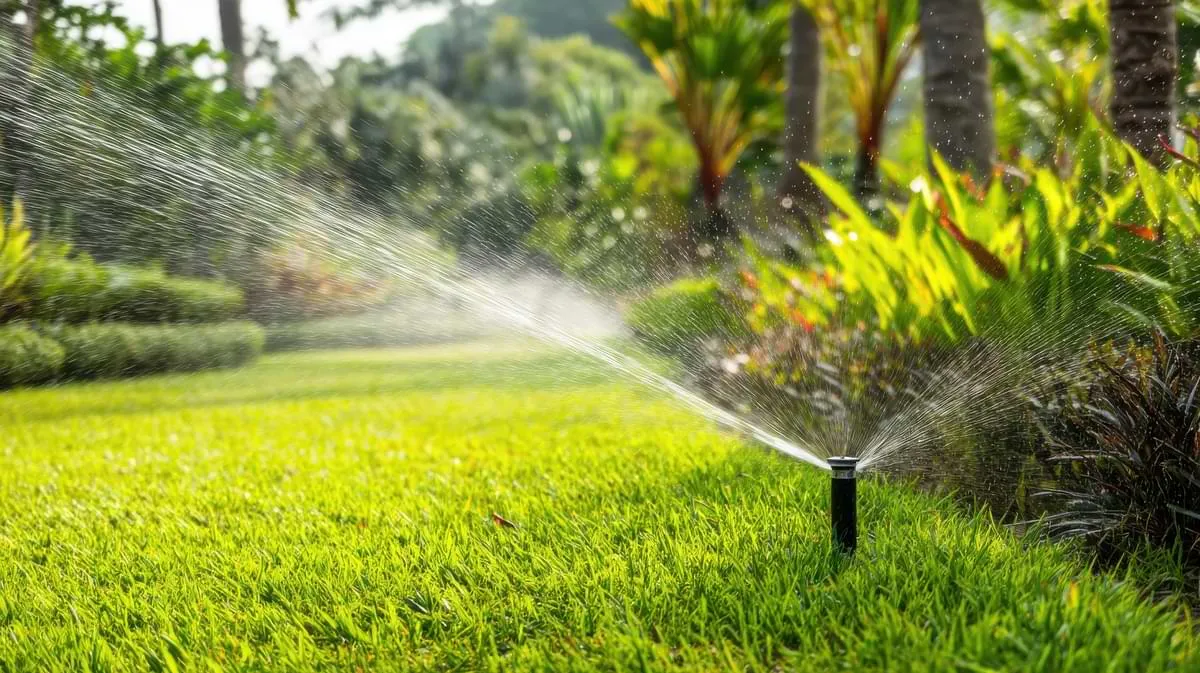
A broken lateral line running undetected drains $50–$200 a month from your water bill, saturates the wrong areas while starving your planted zones, and in the wrong location can drive foundation moisture problems that cost far more to fix than the irrigation repair. The problem is that most underground pipe failures in North Idaho's clay and silt soils leave subtle surface signs — a soft patch, a slightly wetter zone edge — that are easy to misread without the right diagnostic approach.

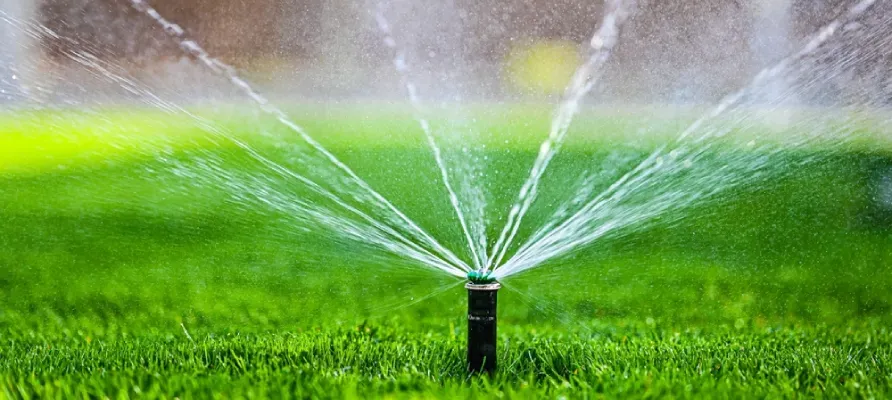
LandscapePros uses acoustic listening equipment, zone flow testing, and surface saturation pattern analysis to locate most buried lateral failures without exploratory trenching. We open a single precise access point, make the repair, pressure-test before backfilling, and leave your yard intact. One call, one visit, documented repair.
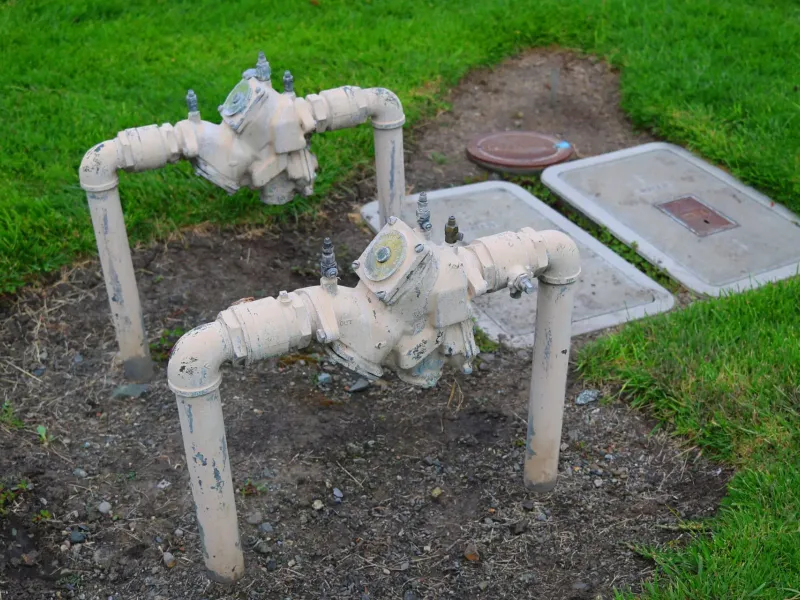
Maintenance project image featuring service routing supporting healthier seasonal growth in Post Falls, Coeur d'Alene, and North Idaho
Why It Matters

What a Leaking Lateral Actually Costs You

Stopping Foundation Moisture Intrusion

An undetected lateral leak running near a foundation or basement wall in Post Falls clay soils creates sustained moisture intrusion that manifests as efflorescence, wall staining, and in severe cases, hydrostatic pressure cracking. LP leak detection locates and stops subsurface leaks before they reach structural consequences — a repair cost that's a fraction of what foundation remediation runs.

Restoring Zone Coverage

A failed lateral takes an entire irrigation zone offline — or worse, delivers water in the wrong place while starving the zone it was supposed to serve. Turf and plant material stressed by inconsistent watering during an undetected pipe failure can take a full growing season to recover. LP restores accurate zone coverage quickly so your landscaping investment is protected.

Accurate Water Billing

A failed irrigation lateral running continuously or pressurizing into a void adds $50–$200 per month to residential water bills in the Post Falls and CDA utility districts — often for weeks before the homeowner notices an unexplained spike. LP leak detection pays for itself in the first billing cycle in cases of significant lateral failure, and the repair eliminates the ongoing cost entirely.

Protecting Established Plantings

A broken lateral creates two irrigation problems simultaneously: the zone where the break occurs receives uncontrolled saturation, while everything downstream of the break point receives insufficient pressure. Mature perennials, shrubs, and ornamental trees stressed by that combination are expensive to replace. LP finds the break precisely so irrigation coverage is restored before plant damage becomes permanent.

Our Services

Detection, Diagnosis & Repair — Start to Finish

01

Acoustic Leak Detection

LP uses ground-contact listening equipment to locate lateral line breaks by sound before a shovel touches the ground. Acoustic detection is particularly critical on established North Idaho properties where mature plantings, perennial beds, and ornamental groundcover would be badly damaged by exploratory trenching. We locate the break to within a few feet, open a single access point, and make the repair — leaving 95% of your landscaping untouched.

02

Zone Flow Testing

Every irrigation zone has a design flow rate determined by the number and type of heads installed. LP measures actual flow at the controller during zone activation and compares it against design spec. A zone running significantly above design flow points to a broken lateral or multiple failed heads. A zone running below design suggests a valve, pipe, or pressure problem upstream. Flow testing gives us a data-driven starting point before we probe or dig.

03

Visual Wet-Spot Diagnosis

Not every leak announces itself with obvious standing water. LP reads saturation patterns on the surface to distinguish a lateral pipe failure (diffuse saturation along the line route), a failed spray or rotor head (localized pool at the head location), and a valve not closing fully (sustained weeping through the zone regardless of controller state). Each creates a different surface signature — identifying the signature correctly avoids unnecessary pipe excavation.

04

Poly Pipe Repair

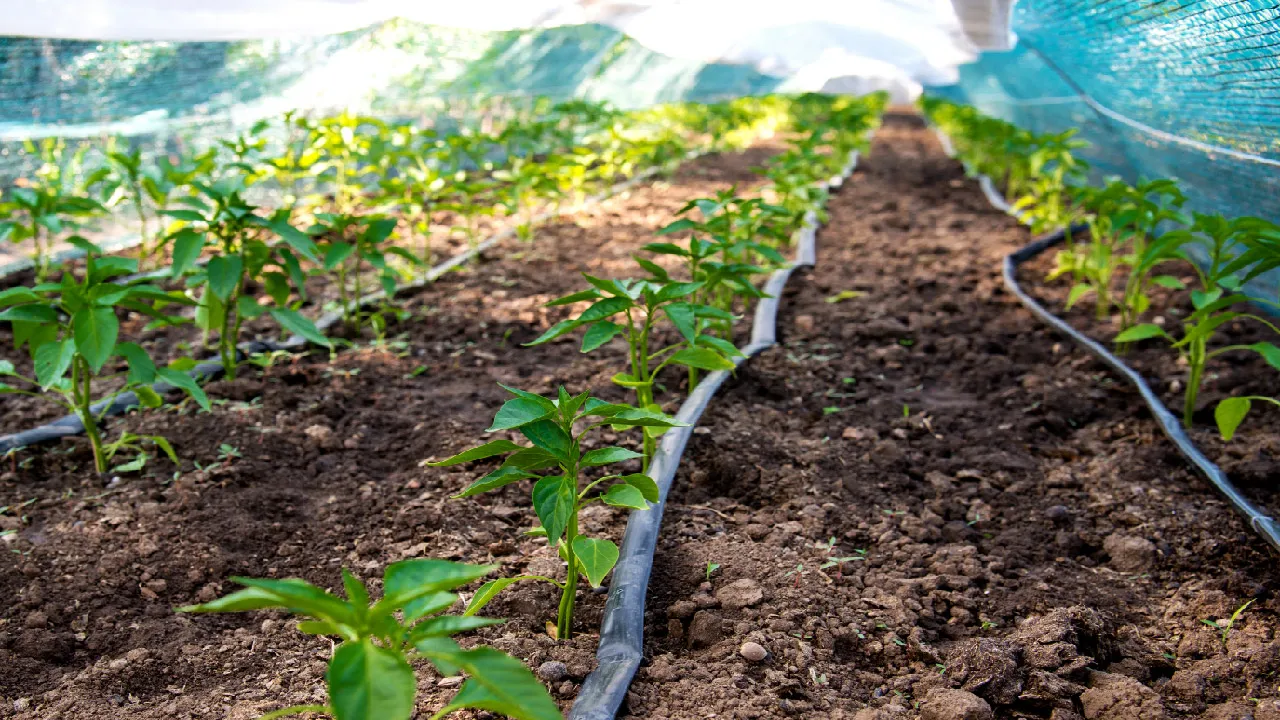
The majority of residential irrigation laterals in North Idaho are black poly pipe — flexible, freeze-tolerant, and connected with barbed insert fittings and stainless clamps. Poly pipe fails at fittings from freeze-thaw cycling, barb pull-out, and root intrusion. LP repairs isolated failures with coupling splices or replacement sections. When pipe condition shows multiple stress points or UV degradation along the run, we replace the full lateral rather than leave a system prone to repeat failures.

05

PVC Lateral Repair

PVC laterals — common on older installations and systems with higher operating pressure — require solvent-welded couplings or split repair clamps depending on access depth and pipe condition. LP cuts cleanly past fatigued pipe ends, uses schedule-appropriate fittings, and allows full cure time before pressurization. For repairs in tight access conditions where a standard coupling creates insufficient slip distance, LP uses repair couplings that accommodate the pipe without over-cutting.

06

Pressure Testing After Repair

Before LP backfills any repaired lateral, we pressure-test the repaired section at operating pressure and hold for a minimum observation period to confirm the repair is watertight. Any weeping at a fitting or coupling gets corrected above grade before the trench is closed. This step adds 15–20 minutes per repair and eliminates the scenario where a repair fails a week later and the same trench has to be reopened — an outcome we guarantee against.
Recent Projects

Leak Repairs Across North Idaho

Maintenance project image featuring debris control supporting fewer stress symptoms in Post Falls, Coeur d'Alene, and North Idaho
Maintenance project image featuring irrigation observation supporting owner confidence in Post Falls, Coeur d'Alene, and North Idaho
Maintenance project image featuring edge refinement supporting owner confidence in Post Falls, Coeur d'Alene, and North Idaho
Maintenance project image featuring service routing supporting healthier seasonal growth in Post Falls, Coeur d'Alene, and North Idaho
Common Questions

Frequently Asked Questions

How can I tell if my irrigation system has a leak?
The most common indicators are: a noticeably elevated water bill that coincides with irrigation season, a persistent wet or soft spot in the yard that doesn't dry out between watering cycles, a zone that runs audibly louder or differently than the others, or dead zones where no water is reaching despite the controller showing the zone as active. Any of these symptoms warrants a diagnosis call — leaks rarely self-resolve and always get worse with continued system operation.
How much does leak detection cost versus just doing the repair?
Leak detection is priced separately from repair because the diagnostic work — listening equipment setup, zone flow testing, surface reading — takes time regardless of repair complexity. Most residential leak detection runs $75–$150, which is credited toward repair cost when LP makes the fix. Repair cost depends on pipe type, depth, and access: a simple poly coupling repair is typically $150–$250; a full lateral section replacement in established beds where careful access is required runs $300–$600. Pressure testing and backfill are included.
How long does a pipe repair take?
A straightforward lateral repair — locating the break, excavating access, making the coupling repair, pressure testing, and backfilling — typically takes 2–3 hours from arrival. Repairs in challenging access conditions (dense root systems, compacted clay, proximity to hardscape) or full lateral replacements take 3–6 hours. LP schedules leak and repair calls as single appointments when detection equipment confirms a breakpoint location in advance.
Can you find the leak without digging up my whole yard?
In most cases, yes. Acoustic listening equipment picks up the sound signature of pressurized water escaping from a pipe failure underground. Combined with zone flow testing and surface saturation pattern reading, LP can locate most lateral breaks to within 2–4 feet before opening any ground. We typically excavate one access point of 12–18 inches in each direction from the indicated break — not a full trench. In rare cases where the pipe failure is at a fitting under a hardscape element, more access is required, but we discuss that before proceeding.
What causes irrigation pipe failures in North Idaho specifically?
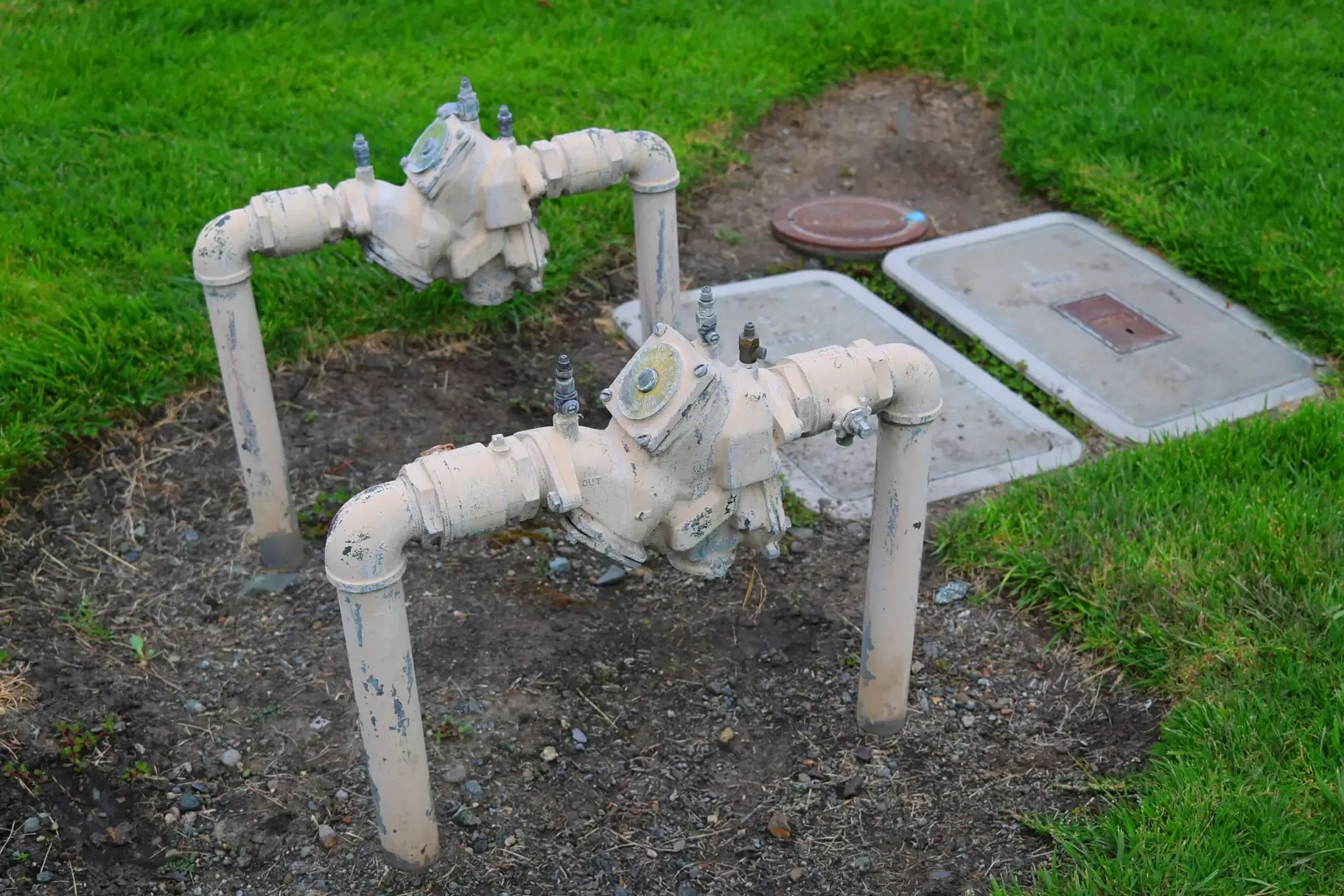
North Idaho's freeze-thaw cycles are the primary cause. Poly pipe and PVC that retains water through a hard freeze — particularly in October or November before the system is properly blown out — expands at fittings and cracks at existing stress points. Secondary causes include root intrusion from mature trees and established shrubs that grow into and around lateral lines over time, rodent damage (particularly from voles and mice in areas bordering open fields around Rathdrum and Spirit Lake), and UV degradation of poly pipe in sections left exposed above grade at valve boxes and backflow assemblies.

Free Estimate

Suspect a Leak? Get a Same-Season Diagnosis

Coeur d'Alene Post Falls Hayden Rathdrum Spirit Lake Dalton Gardens Athol Moscow Genesee Troy Potlatch Deary Sandpoint Ponderay Priest River Dover Kootenai Kellogg Pinehurst Osburn Wallace Smelterville St. Maries Plummer Coeur d'Alene Post Falls Hayden Rathdrum Spirit Lake Dalton Gardens Athol Moscow Genesee Troy Potlatch Deary Sandpoint Ponderay Priest River Dover Kootenai Kellogg Pinehurst Osburn Wallace Smelterville St. Maries Plummer Coeur d'Alene Post Falls Hayden Rathdrum Spirit Lake Dalton Gardens Athol Moscow Genesee Troy Potlatch Deary Sandpoint Ponderay Priest River Dover Kootenai Kellogg Pinehurst Osburn Wallace Smelterville St. Maries Plummer Coeur d'Alene Post Falls Hayden Rathdrum Spirit Lake Dalton Gardens Athol Moscow Genesee Troy Potlatch Deary Sandpoint Ponderay Priest River Dover Kootenai Kellogg Pinehurst Osburn Wallace Smelterville St. Maries Plummer
Call Now Book Free Estimate