
Soil Amendment & Bed Grading
What's underground determines
what grows above it.
Most landscaping failures start underground. Newly installed plants sit in compacted clay that drains poorly, at the wrong pH, competing with existing roots. LP treats soil preparation as a prerequisite to every planting project, not an optional add-on — because the best plant material in the world won't establish in soil that isn't prepared for it.
North Idaho's clay-loam soil is workable with the right amendments. LP tests before adding anything, adjusts pH based on results, incorporates aged organic compost to improve drainage and nutrient availability, and finish-grades every planting bed for positive drainage. It's not glamorous work — but it's what makes everything else last.
What properly amended soil does for your landscape.
Plants Establish Faster in Prepared Soil
The most common reason newly installed plants fail is planting them into unprepared soil. Roots can't penetrate compacted clay, drain in waterlogged subsoil, or access nutrients in depleted planting beds. LP's soil preparation gives every plant installation the best possible start.
North Idaho Clay Soil, Corrected
Kootenai County's native soil is predominantly clay-loam — slow to drain, prone to compaction, and challenging for most ornamental plants without amendment. LP's amendment process transforms this soil type into a landscape-grade growing medium with acceptable drainage, aeration, and nutrient availability.
Reduces Ongoing Fertilization Needs
A well-amended, properly pH-balanced soil produces more vigorous plants that are more resistant to disease and require less supplemental fertilization. LP's soil work is an investment that pays dividends through reduced maintenance costs and healthier plant material for years after installation.
Correct Foundation for Every Planting Project
LP's soil amendment services pair with every planting project we undertake — softscape installation, sod preparation, native plant gardens, and privacy screen planting all benefit from proper soil preparation. LP never installs plant material over unamended or unprepared soil.
How LP approaches soil amendment and bed preparation.
Soil Testing & Analysis
Before LP adds anything to the soil, we test it. A basic soil test ($25–$50 through the University of Idaho Extension) measures pH, macronutrients (N/P/K), and organic matter content. The result tells LP exactly what the soil needs: whether it requires lime or sulfur for pH adjustment, what nutrient deficiencies are present, and how much organic matter needs to be incorporated. Skipping this step means amending blindly.
pH Adjustment — Lime & Sulfur Applications
North Idaho's native soils tend toward neutral to slightly alkaline pH (7.0–7.8) in the Post Falls and CDA area, with pockets of slightly acidic soil in areas with significant conifer needle accumulation. Most ornamental landscape plants prefer 6.0–6.8. LP applies pelletized dolomitic lime to raise pH or elemental sulfur to lower it, based on test results and target plant palette.
Organic Compost Incorporation
The single most impactful soil amendment for North Idaho's clay-loam soil is aged organic compost. LP incorporates 3–4 inches of quality compost into the top 8–12 inches of soil using a tiller, improving drainage in clay-heavy areas, water retention in sandy areas, microbial activity, and nutrient availability. LP sources compost from regional suppliers.
Existing Bed Renovation & Tilling
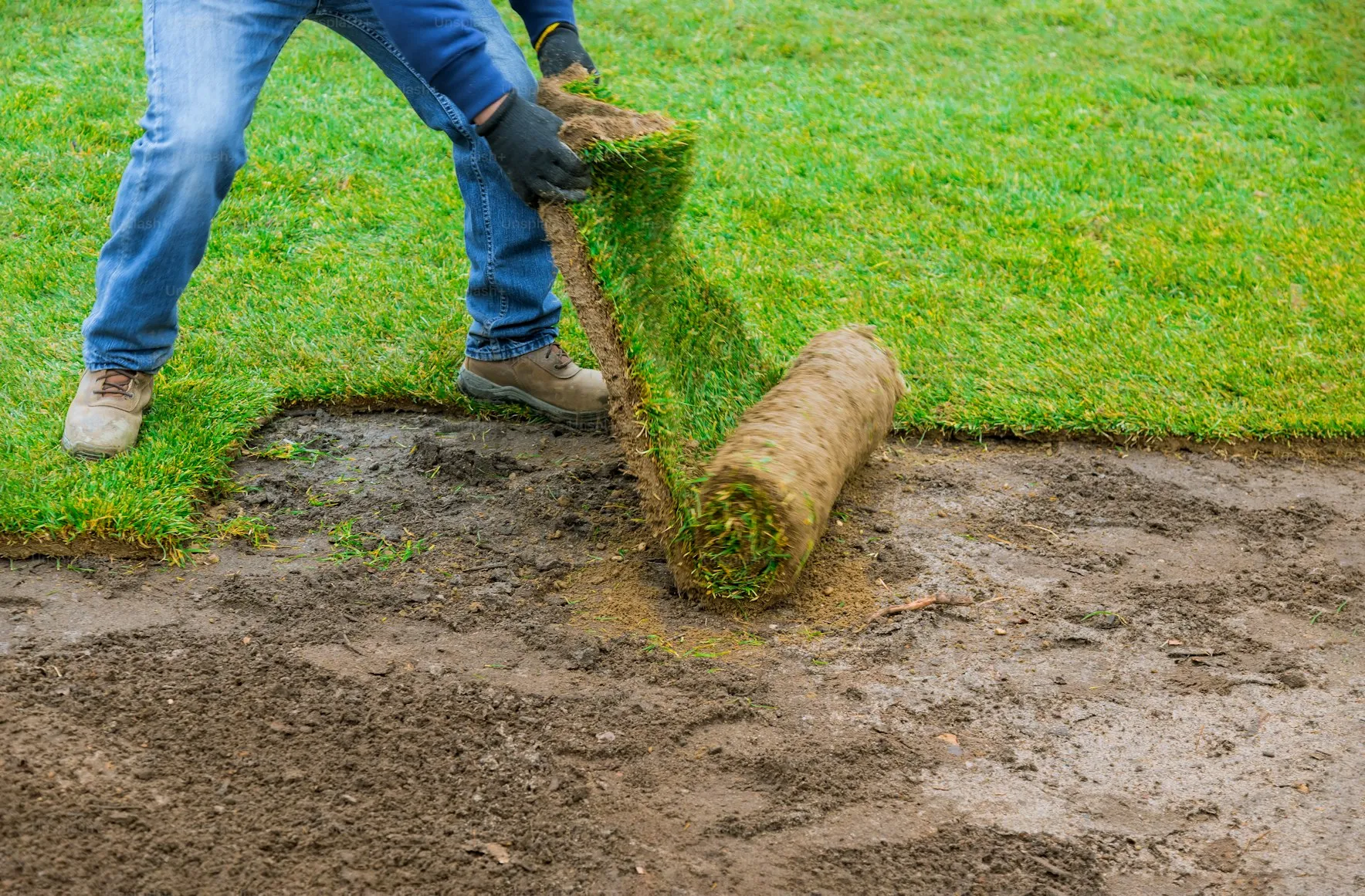
Established planting beds accumulate compaction, weed pressure, depleted organic matter, and root competition over time. LP renovates beds by clearing existing plant material (or carefully working around keepers), tilling to break compaction, adding amendments based on testing, and re-grading for proper drainage. Full bed renovation typically precedes major replanting projects.
Finish Grading for Drainage
Every planting bed should drain away from the structure at a minimum 2% slope. LP finish-grades amended beds to ensure positive drainage pitch, then rakes to a smooth, uniform surface depth ready for plant installation. Grade also affects where mulch material will sit and how water will move across the planting area.
Custom Raised Bed Soil Mixes
For raised planting beds and vegetable gardens, LP builds custom soil mixes appropriate for the specific use: typically a blend of quality topsoil, aged compost, and perlite or coarse sand for drainage. LP also installs raised bed structures and fills them — a complete service from frame construction through final soil placement.
 />
/>
What North Idaho Says
4.8★ · 16 Google reviews
“Josh, Ryan, and their crew did an amazing job with our backyard. We were constantly communicating and they adapted to our changes as necessary. They did a beautiful job and we love our backyard!”
“Landscape Pros delivered top-notch landscaping with professionalism and attention to detail. Highly recommend their services. Very affordable and punctual.”
Verbatim reviews from our Google Business Profile.
Frequently Asked Questions
Free Estimate