Placeholder image
Landscaping / Privacy Screen Planting

Privacy Screen Planting

Privacy Design Evergreen Screens Fast Establishment Drip Setup Wind Buffering
Repair Architectural Accent Lighting Athletic Field Construction Annual Displays Garden Bed Definition Urban Beautification Bioswale Rain Garden Engineering Ponds Hedge Planting Softscape Installation Mower-Edge Profiles Pipe Repair Public Works Infrastructure Natural Stone Patios Optimization Weather Station Dedicated Site Staging Approaches Weed Control Septic System Site Prep Smart Central Control Systems Flow Sensor Install Bi-Weekly Lawn Care Porter Services Irrigation System Retrofitting Revegetation Bio-Retention Cell Maintenance Natural Boulder Retaining Walls Utility Trenching Seasonal Color Rotations Vegetation Management Energy Savings Foundation Excavation Relocation Textured Borders Restoration SWPPP Compliance Invasive Species Management Install Water Feature Excavation Flatwork Tree Ring Enclosure Sidewalks Custom Integrated Lighting Slip-and-Fall Mitigation Vegetated Green Roof Maintenance 24/7 Zero-Tolerance Plowing Real-Time Weather Monitoring Commercial Turf Management Creek Crossings Right-of-Way Clearing Pressure Regulating Valve Installation Integrated Pest Management (IPM) Chimneys Bark Application Slope Stabilization Shrub Health Care Drip Irrigation Installation Redefining Bed Preparation Land Clearing Native Prairie Meadow Restoration Artificial Grass Hearths Pigmented Concrete Hydroseeding Hedge Trimming Driveway Accents Field Mowing Segmental Block Retaining Walls Valve Maintenance Calibration Continuous Concrete Edging Paths Bollard Light Installation Irrigation Pump Station Maintenance Overseeding Hard Surface Maintenance Reporting Removal Sealing Automated Lighting Control Systems Natural Stone Inlay Driveway Base Backflow Prevention Testing Commercial Cut/Fill Custom Irrigation System Design Drainage Structural Retaining Walls High-Volume Pumps Concrete Paving HOA Maintenance Fall Cleanups Mulch Bed Pre-Emergent Weed Treatment Full-Scale Landscape Design De-Icing Blow-Outs Security Perimeter Lighting Dust Control Native Plant Design De-Icing PICP Underground Utility Installation Detention Ponds Smart Controller Integration Commercial-Grade Curbing Restoration ADA Compliance Upgrades Disposal Emergency Storm Response Park & Playground Construction Liquid Brine Pre-Treatment Repair Architectural Accent Lighting Athletic Field Construction Annual Displays Garden Bed Definition Urban Beautification Bioswale Rain Garden Engineering Ponds Hedge Planting Softscape Installation Mower-Edge Profiles Pipe Repair Public Works Infrastructure Natural Stone Patios Optimization Weather Station Dedicated Site Staging Approaches Weed Control Septic System Site Prep Smart Central Control Systems Flow Sensor Install Bi-Weekly Lawn Care Porter Services Irrigation System Retrofitting Revegetation Bio-Retention Cell Maintenance Natural Boulder Retaining Walls Utility Trenching Seasonal Color Rotations Vegetation Management Energy Savings Foundation Excavation Relocation Textured Borders Restoration SWPPP Compliance Invasive Species Management Install Water Feature Excavation Flatwork Tree Ring Enclosure Sidewalks Custom Integrated Lighting Slip-and-Fall Mitigation Vegetated Green Roof Maintenance 24/7 Zero-Tolerance Plowing Real-Time Weather Monitoring Commercial Turf Management Creek Crossings Right-of-Way Clearing Pressure Regulating Valve Installation Integrated Pest Management (IPM) Chimneys Bark Application Slope Stabilization Shrub Health Care Drip Irrigation Installation Redefining Bed Preparation Land Clearing Native Prairie Meadow Restoration Artificial Grass Hearths Pigmented Concrete Hydroseeding Hedge Trimming Driveway Accents Field Mowing Segmental Block Retaining Walls Valve Maintenance Calibration Continuous Concrete Edging Paths Bollard Light Installation Irrigation Pump Station Maintenance Overseeding Hard Surface Maintenance Reporting Removal Sealing Automated Lighting Control Systems Natural Stone Inlay Driveway Base Backflow Prevention Testing Commercial Cut/Fill Custom Irrigation System Design Drainage Structural Retaining Walls High-Volume Pumps Concrete Paving HOA Maintenance Fall Cleanups Mulch Bed Pre-Emergent Weed Treatment Full-Scale Landscape Design De-Icing Blow-Outs Security Perimeter Lighting Dust Control Native Plant Design De-Icing PICP Underground Utility Installation Detention Ponds Smart Controller Integration Commercial-Grade Curbing Restoration ADA Compliance Upgrades Disposal Emergency Storm Response Park & Playground Construction Liquid Brine Pre-Treatment Repair Architectural Accent Lighting Athletic Field Construction Annual Displays Garden Bed Definition Urban Beautification Bioswale Rain Garden Engineering Ponds Hedge Planting Softscape Installation Mower-Edge Profiles Pipe Repair Public Works Infrastructure Natural Stone Patios Optimization Weather Station Dedicated Site Staging Approaches Weed Control Septic System Site Prep Smart Central Control Systems Flow Sensor Install Bi-Weekly Lawn Care Porter Services Irrigation System Retrofitting Revegetation Bio-Retention Cell Maintenance Natural Boulder Retaining Walls Utility Trenching Seasonal Color Rotations Vegetation Management Energy Savings Foundation Excavation Relocation Textured Borders Restoration SWPPP Compliance Invasive Species Management Install Water Feature Excavation Flatwork Tree Ring Enclosure Sidewalks Custom Integrated Lighting Slip-and-Fall Mitigation Vegetated Green Roof Maintenance 24/7 Zero-Tolerance Plowing Real-Time Weather Monitoring Commercial Turf Management Creek Crossings Right-of-Way Clearing Pressure Regulating Valve Installation Integrated Pest Management (IPM) Chimneys Bark Application Slope Stabilization Shrub Health Care Drip Irrigation Installation Redefining Bed Preparation Land Clearing Native Prairie Meadow Restoration Artificial Grass Hearths Pigmented Concrete Hydroseeding Hedge Trimming Driveway Accents Field Mowing Segmental Block Retaining Walls Valve Maintenance Calibration Continuous Concrete Edging Paths Bollard Light Installation Irrigation Pump Station Maintenance Overseeding Hard Surface Maintenance Reporting Removal Sealing Automated Lighting Control Systems Natural Stone Inlay Driveway Base Backflow Prevention Testing Commercial Cut/Fill Custom Irrigation System Design Drainage Structural Retaining Walls High-Volume Pumps Concrete Paving HOA Maintenance Fall Cleanups Mulch Bed Pre-Emergent Weed Treatment Full-Scale Landscape Design De-Icing Blow-Outs Security Perimeter Lighting Dust Control Native Plant Design De-Icing PICP Underground Utility Installation Detention Ponds Smart Controller Integration Commercial-Grade Curbing Restoration ADA Compliance Upgrades Disposal Emergency Storm Response Park & Playground Construction Liquid Brine Pre-Treatment Repair Architectural Accent Lighting Athletic Field Construction Annual Displays Garden Bed Definition Urban Beautification Bioswale Rain Garden Engineering Ponds Hedge Planting Softscape Installation Mower-Edge Profiles Pipe Repair Public Works Infrastructure Natural Stone Patios Optimization Weather Station Dedicated Site Staging Approaches Weed Control Septic System Site Prep Smart Central Control Systems Flow Sensor Install Bi-Weekly Lawn Care Porter Services Irrigation System Retrofitting Revegetation Bio-Retention Cell Maintenance Natural Boulder Retaining Walls Utility Trenching Seasonal Color Rotations Vegetation Management Energy Savings Foundation Excavation Relocation Textured Borders Restoration SWPPP Compliance Invasive Species Management Install Water Feature Excavation Flatwork Tree Ring Enclosure Sidewalks Custom Integrated Lighting Slip-and-Fall Mitigation Vegetated Green Roof Maintenance 24/7 Zero-Tolerance Plowing Real-Time Weather Monitoring Commercial Turf Management Creek Crossings Right-of-Way Clearing Pressure Regulating Valve Installation Integrated Pest Management (IPM) Chimneys Bark Application Slope Stabilization Shrub Health Care Drip Irrigation Installation Redefining Bed Preparation Land Clearing Native Prairie Meadow Restoration Artificial Grass Hearths Pigmented Concrete Hydroseeding Hedge Trimming Driveway Accents Field Mowing Segmental Block Retaining Walls Valve Maintenance Calibration Continuous Concrete Edging Paths Bollard Light Installation Irrigation Pump Station Maintenance Overseeding Hard Surface Maintenance Reporting Removal Sealing Automated Lighting Control Systems Natural Stone Inlay Driveway Base Backflow Prevention Testing Commercial Cut/Fill Custom Irrigation System Design Drainage Structural Retaining Walls High-Volume Pumps Concrete Paving HOA Maintenance Fall Cleanups Mulch Bed Pre-Emergent Weed Treatment Full-Scale Landscape Design De-Icing Blow-Outs Security Perimeter Lighting Dust Control Native Plant Design De-Icing PICP Underground Utility Installation Detention Ponds Smart Controller Integration Commercial-Grade Curbing Restoration ADA Compliance Upgrades Disposal Emergency Storm Response Park & Playground Construction Liquid Brine Pre-Treatment
Your Outdoor Room Starts with Walls

Living screens that grow —
not fences that rot.

A fence gives you privacy on day one and starts deteriorating from day two. A well-designed living screen gives you something better — privacy that thickens with every season, looks intentional from both sides of the property line, and adds value rather than requiring replacement.

LP designs privacy screens around your specific screening need: road noise, a neighbor's sightline, a utility area, or prevailing wind. We select species proven to establish and grow in North Idaho's Zone 5b climate — not species that thrive in Pacific Northwest nursery catalogs but fail in Kootenai County winters.
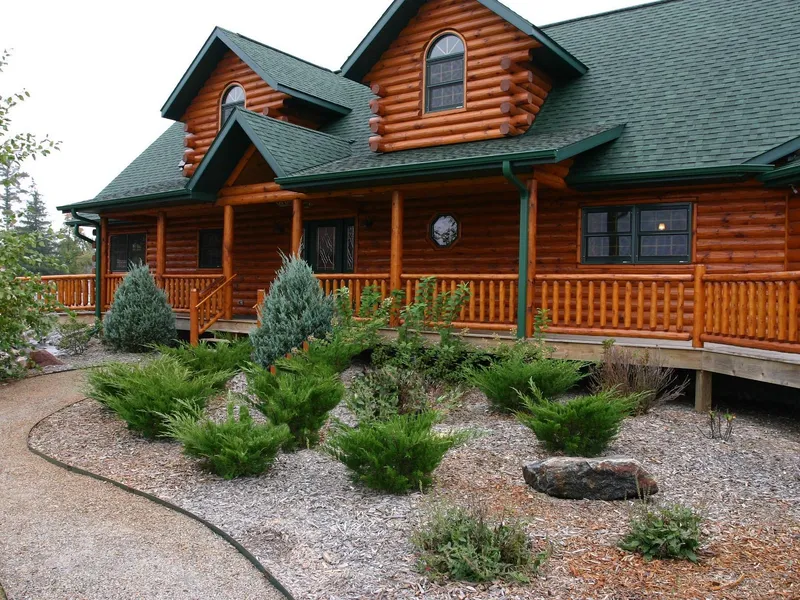
Residential landscaping design and planting project featuring native palette planning supporting balanced texture and depth in Post Falls, Coeur d'Alene, and North Idaho
Why LP for Privacy Screens

Cold-hardy species, fast results,
and design that looks like a landscape.

Cold-Hardy Species That Actually Grow Here

LP's privacy screen plant list is filtered against 20 years of installation experience in Kootenai County. We don't recommend Leyland Cypress (dies in North Idaho winters) or Privet (invasive and cold-tender). We use species with a proven record of establishing and growing in our specific climate.

Privacy in 3–5 Years, Not 15

The right species selection and initial plant size determine how quickly your screen becomes effective. LP uses larger-caliper stock and fast-establishing species to deliver meaningful privacy within a few growing seasons, not a decade from now.

Design That Looks Intentional

A line of arborvitae planted at exactly equal spacing and nothing else reads as a fence substitute, not a landscape. LP designs privacy screens to look like intentional plant compositions — layered heights, mixed textures, and species variety that provides privacy while enhancing the property's appearance.

Wind and Noise Buffering as a Side Benefit

A dense evergreen screen planted on the windward side of a property provides measurable reduction in wind exposure and some buffering of road or neighbor noise. LP positions screens to maximize secondary functional benefits alongside visual privacy.

How LP Designs Screens

From screening goal assessment
to drip irrigation for establishment.

01

Privacy Needs Assessment

LP starts by identifying what you're screening: a neighbor's line of sight, road noise, a utility structure, or prevailing wind. The screening goal determines the species, density, planting pattern (single row vs. staggered double row), and spacing that will work most effectively.

02

Evergreen Screens for Year-Round Privacy

True year-round privacy requires evergreen species that hold their foliage through North Idaho winters. LP's top performers: Arborvitae (Green Giant, Emerald), Rocky Mountain Juniper, Austrian Pine, Norway Spruce, and Douglas Fir — all cold-hardy to Zone 4 or colder.

03

Deciduous Screens for Seasonal Privacy

Where year-round evergreen density isn't required, deciduous hedgerows provide spring-through-fall coverage with the added benefit of seasonal interest. LP uses fast-growing deciduous screen plants: native Chokecherry, Red Osier Dogwood, Arrowwood Viburnum, and Mock Orange.

04

Fast-Establishing Screen Design

LP considers growth rate as a primary selection criterion for privacy screens. Thuja 'Green Giant' — one of LP's most-used screen plants — reaches 10–15 feet in 5–7 years under North Idaho conditions. LP sizes and spaces plantings to deliver meaningful privacy within 3–5 seasons, not 10–15 years.

05

Ornamental Grass Screening

For informal screens, property line buffers, or areas where a naturalistic aesthetic is preferred, ornamental grass masses provide effective visual screening from June through winter. LP uses large-statured grasses — Karl Foerster, Maiden Grass, Switchgrass 'Shenandoah' — that reach 5–7 feet and hold their form through dormancy.

06

Integrated Drip Irrigation for Establishment

Newly planted screen trees and shrubs are most vulnerable in their first two growing seasons. LP can install a dedicated drip irrigation system for new screen plantings, ensuring consistent moisture during establishment without relying on hand watering — critical for screen plants in North Idaho's dry July and August.
Recent Projects

Privacy screen installations across North Idaho.

Native planting design — Post Falls, ID />
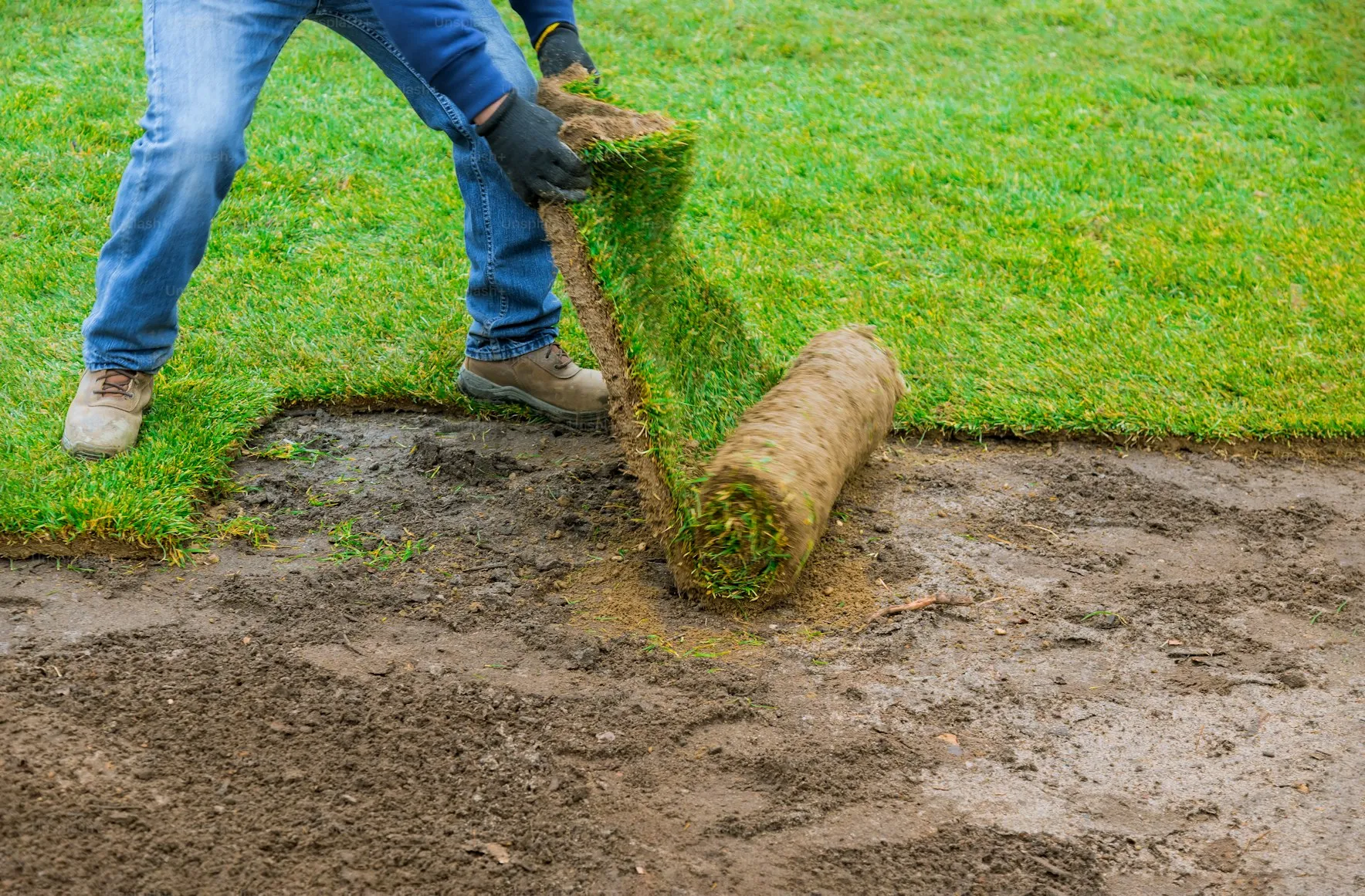
Sod installation & irrigation — CDA residential />
Wildflower hydroseeding project />
Full landscape renovation — Hayden, ID />
See Full Gallery
What North Idaho Homeowners Say

Living screens that deliver real privacy
from Rathdrum to Sandpoint since 2005.

★★★★★
"LP's privacy screen transformed our backyard from feeling exposed to completely private. They planted a double row of Green Giant Arborvitae that grew 8 feet in just 3 years. The crew knew exactly how to space them for maximum density."
— Michael T., Hayden, ID
★★★★★
"We needed to screen out the neighbor's second-story windows. LP recommended a mix of evergreens and deciduous plants that provide year-round coverage. Their knowledge of what grows well in our climate was impressive."
— Sarah K., Post Falls, ID
★★★★★
"The privacy hedge LP installed has matured beautifully. They started with larger specimens and filled in with smaller plants for immediate impact. Five years later, it's a solid 12-foot wall of green."
— David R., Coeur d'Alene, ID
Common Questions

Frequently Asked Questions

What is the fastest-growing privacy screen for North Idaho?
Thuja 'Green Giant' grows 3–5 feet per year in good conditions, is cold-hardy to Zone 5, and reaches 30+ feet at maturity — making it LP's most-used screen plant for properties in Post Falls, CDA, and the surrounding area. Austrian Pine and Norway Spruce are also strong performers: slightly slower to establish but longer-lived and more wind-tolerant at exposed sites. Realistic timeline to a meaningful screen height (8–12 feet) is 5–7 years for Green Giant under North Idaho conditions with proper irrigation during establishment.
How far apart should privacy screen trees be planted?
Green Giant arborvitae are typically spaced 5–6 feet on center for a solid, closed screen at maturity. Norway Spruce requires 8–10 feet of spacing given its wider mature form. Staggered double-row plantings — LP's preferred approach for maximum density — require wider individual spacing because plants from each row fill in between the opposite row. LP calculates spacing based on each species' mature spread and the desired density, then applies it to your specific screen length and site conditions.
How much does privacy screen planting cost in Post Falls or CDA?
A single-row arborvitae screen of 10 trees typically runs $2,500–$5,000 installed, depending on caliper size selected and site conditions. LP includes soil preparation and drip irrigation setup in most screen projects — establishment irrigation isn't optional if you want those trees to survive North Idaho's dry summers. Larger properties or screens requiring more trees are scaled accordingly. LP provides a written, itemized estimate after visiting the property.
Will arborvitae survive North Idaho winters?
Yes. Most arborvitae cultivars — including Green Giant and Emerald — are cold-hardy to Zone 4–5 and handle North Idaho winters reliably. They may show minor winter burn (browning of exposed foliage tips) on highly exposed sites in severe winters, but recover fully in spring. LP avoids cultivars with a poor track record in inland continental climates and does not install species like Leyland Cypress that fail consistently in Kootenai County's sub-zero temperatures.
Can LP design a privacy screen that doesn't look like a row of trees?
Yes — that's the standard approach LP takes. A single-species row of arborvitae at identical spacing reads as a green fence, not a landscape. LP designs privacy screens using staggered rows, mixed species, and layered heights: a back row of tall evergreen screen trees (Green Giant or Norway Spruce) combined with a mid-height shrub layer (Viburnum, Juniper, or ornamental grasses) in front. The result provides effective privacy while looking like an intentional landscape composition from both sides of the property line.

Free Estimate

Block the view. Keep the beauty.

Coeur d'Alene Post Falls Hayden Rathdrum Spirit Lake Dalton Gardens Athol Moscow Genesee Troy Potlatch Deary Sandpoint Ponderay Priest River Dover Kootenai Kellogg Pinehurst Osburn Wallace Smelterville St. Maries Plummer Coeur d'Alene Post Falls Hayden Rathdrum Spirit Lake Dalton Gardens Athol Moscow Genesee Troy Potlatch Deary Sandpoint Ponderay Priest River Dover Kootenai Kellogg Pinehurst Osburn Wallace Smelterville St. Maries Plummer Coeur d'Alene Post Falls Hayden Rathdrum Spirit Lake Dalton Gardens Athol Moscow Genesee Troy Potlatch Deary Sandpoint Ponderay Priest River Dover Kootenai Kellogg Pinehurst Osburn Wallace Smelterville St. Maries Plummer Coeur d'Alene Post Falls Hayden Rathdrum Spirit Lake Dalton Gardens Athol Moscow Genesee Troy Potlatch Deary Sandpoint Ponderay Priest River Dover Kootenai Kellogg Pinehurst Osburn Wallace Smelterville St. Maries Plummer
Call Now Book Free Estimate