Placeholder image
Irrigation / Head Repair & Valve Maintenance

Head Repair & Valve Maintenance

Head Identification & Matching Grade Setting & Backfill Rotor Nozzle Cleaning Valve Diaphragm Service Solenoid Testing & Replacement Zone Flow Calibration
Field Mowing Right-of-Way Clearing Revegetation Structural Retaining Walls Creek Crossings Textured Borders Weed Control Security Perimeter Lighting Bed Preparation Smart Controller Integration Detention Ponds Blow-Outs Architectural Accent Lighting Bioswale Rain Garden Engineering Energy Savings Softscape Installation Native Prairie Meadow Restoration Seasonal Color Rotations Hearths Mulch Bed Pre-Emergent Weed Treatment Underground Utility Installation Hard Surface Maintenance Commercial-Grade Curbing Automated Lighting Control Systems Approaches Artificial Grass Tree Ring Enclosure Drip Irrigation Installation Water Feature Excavation Bio-Retention Cell Maintenance Annual Displays Driveway Accents Weather Station Pipe Repair Valve Maintenance High-Volume Pumps Chimneys Public Works Infrastructure Garden Bed Definition Hedge Trimming Invasive Species Management Irrigation System Retrofitting Urban Beautification Vegetated Green Roof Maintenance Fall Cleanups Land Clearing Commercial Turf Management Park & Playground Construction Natural Boulder Retaining Walls De-Icing Restoration Reporting Pigmented Concrete Cut/Fill Bollard Light Installation Foundation Excavation Bark Application Bi-Weekly Lawn Care Redefining Driveway Base Flow Sensor Install PICP Paths Emergency Storm Response Hydroseeding Native Plant Design De-Icing Hedge Planting Optimization Real-Time Weather Monitoring Smart Central Control Systems Continuous Concrete Edging Custom Irrigation System Design Porter Services Septic System Site Prep Shrub Health Care Liquid Brine Pre-Treatment Sealing Removal Concrete Paving Drainage Overseeding Vegetation Management Integrated Pest Management (IPM) Natural Stone Patios Slip-and-Fall Mitigation Pressure Regulating Valve Installation Backflow Prevention Testing Commercial Custom Integrated Lighting Slope Stabilization Restoration Repair Full-Scale Landscape Design Athletic Field Construction Dust Control ADA Compliance Upgrades Irrigation Pump Station Maintenance Flatwork Install Utility Trenching Ponds SWPPP Compliance Disposal 24/7 Zero-Tolerance Plowing Segmental Block Retaining Walls Calibration Sidewalks HOA Maintenance Mower-Edge Profiles Relocation Dedicated Site Staging Natural Stone Inlay Field Mowing Right-of-Way Clearing Revegetation Structural Retaining Walls Creek Crossings Textured Borders Weed Control Security Perimeter Lighting Bed Preparation Smart Controller Integration Detention Ponds Blow-Outs Architectural Accent Lighting Bioswale Rain Garden Engineering Energy Savings Softscape Installation Native Prairie Meadow Restoration Seasonal Color Rotations Hearths Mulch Bed Pre-Emergent Weed Treatment Underground Utility Installation Hard Surface Maintenance Commercial-Grade Curbing Automated Lighting Control Systems Approaches Artificial Grass Tree Ring Enclosure Drip Irrigation Installation Water Feature Excavation Bio-Retention Cell Maintenance Annual Displays Driveway Accents Weather Station Pipe Repair Valve Maintenance High-Volume Pumps Chimneys Public Works Infrastructure Garden Bed Definition Hedge Trimming Invasive Species Management Irrigation System Retrofitting Urban Beautification Vegetated Green Roof Maintenance Fall Cleanups Land Clearing Commercial Turf Management Park & Playground Construction Natural Boulder Retaining Walls De-Icing Restoration Reporting Pigmented Concrete Cut/Fill Bollard Light Installation Foundation Excavation Bark Application Bi-Weekly Lawn Care Redefining Driveway Base Flow Sensor Install PICP Paths Emergency Storm Response Hydroseeding Native Plant Design De-Icing Hedge Planting Optimization Real-Time Weather Monitoring Smart Central Control Systems Continuous Concrete Edging Custom Irrigation System Design Porter Services Septic System Site Prep Shrub Health Care Liquid Brine Pre-Treatment Sealing Removal Concrete Paving Drainage Overseeding Vegetation Management Integrated Pest Management (IPM) Natural Stone Patios Slip-and-Fall Mitigation Pressure Regulating Valve Installation Backflow Prevention Testing Commercial Custom Integrated Lighting Slope Stabilization Restoration Repair Full-Scale Landscape Design Athletic Field Construction Dust Control ADA Compliance Upgrades Irrigation Pump Station Maintenance Flatwork Install Utility Trenching Ponds SWPPP Compliance Disposal 24/7 Zero-Tolerance Plowing Segmental Block Retaining Walls Calibration Sidewalks HOA Maintenance Mower-Edge Profiles Relocation Dedicated Site Staging Natural Stone Inlay Field Mowing Right-of-Way Clearing Revegetation Structural Retaining Walls Creek Crossings Textured Borders Weed Control Security Perimeter Lighting Bed Preparation Smart Controller Integration Detention Ponds Blow-Outs Architectural Accent Lighting Bioswale Rain Garden Engineering Energy Savings Softscape Installation Native Prairie Meadow Restoration Seasonal Color Rotations Hearths Mulch Bed Pre-Emergent Weed Treatment Underground Utility Installation Hard Surface Maintenance Commercial-Grade Curbing Automated Lighting Control Systems Approaches Artificial Grass Tree Ring Enclosure Drip Irrigation Installation Water Feature Excavation Bio-Retention Cell Maintenance Annual Displays Driveway Accents Weather Station Pipe Repair Valve Maintenance High-Volume Pumps Chimneys Public Works Infrastructure Garden Bed Definition Hedge Trimming Invasive Species Management Irrigation System Retrofitting Urban Beautification Vegetated Green Roof Maintenance Fall Cleanups Land Clearing Commercial Turf Management Park & Playground Construction Natural Boulder Retaining Walls De-Icing Restoration Reporting Pigmented Concrete Cut/Fill Bollard Light Installation Foundation Excavation Bark Application Bi-Weekly Lawn Care Redefining Driveway Base Flow Sensor Install PICP Paths Emergency Storm Response Hydroseeding Native Plant Design De-Icing Hedge Planting Optimization Real-Time Weather Monitoring Smart Central Control Systems Continuous Concrete Edging Custom Irrigation System Design Porter Services Septic System Site Prep Shrub Health Care Liquid Brine Pre-Treatment Sealing Removal Concrete Paving Drainage Overseeding Vegetation Management Integrated Pest Management (IPM) Natural Stone Patios Slip-and-Fall Mitigation Pressure Regulating Valve Installation Backflow Prevention Testing Commercial Custom Integrated Lighting Slope Stabilization Restoration Repair Full-Scale Landscape Design Athletic Field Construction Dust Control ADA Compliance Upgrades Irrigation Pump Station Maintenance Flatwork Install Utility Trenching Ponds SWPPP Compliance Disposal 24/7 Zero-Tolerance Plowing Segmental Block Retaining Walls Calibration Sidewalks HOA Maintenance Mower-Edge Profiles Relocation Dedicated Site Staging Natural Stone Inlay Field Mowing Right-of-Way Clearing Revegetation Structural Retaining Walls Creek Crossings Textured Borders Weed Control Security Perimeter Lighting Bed Preparation Smart Controller Integration Detention Ponds Blow-Outs Architectural Accent Lighting Bioswale Rain Garden Engineering Energy Savings Softscape Installation Native Prairie Meadow Restoration Seasonal Color Rotations Hearths Mulch Bed Pre-Emergent Weed Treatment Underground Utility Installation Hard Surface Maintenance Commercial-Grade Curbing Automated Lighting Control Systems Approaches Artificial Grass Tree Ring Enclosure Drip Irrigation Installation Water Feature Excavation Bio-Retention Cell Maintenance Annual Displays Driveway Accents Weather Station Pipe Repair Valve Maintenance High-Volume Pumps Chimneys Public Works Infrastructure Garden Bed Definition Hedge Trimming Invasive Species Management Irrigation System Retrofitting Urban Beautification Vegetated Green Roof Maintenance Fall Cleanups Land Clearing Commercial Turf Management Park & Playground Construction Natural Boulder Retaining Walls De-Icing Restoration Reporting Pigmented Concrete Cut/Fill Bollard Light Installation Foundation Excavation Bark Application Bi-Weekly Lawn Care Redefining Driveway Base Flow Sensor Install PICP Paths Emergency Storm Response Hydroseeding Native Plant Design De-Icing Hedge Planting Optimization Real-Time Weather Monitoring Smart Central Control Systems Continuous Concrete Edging Custom Irrigation System Design Porter Services Septic System Site Prep Shrub Health Care Liquid Brine Pre-Treatment Sealing Removal Concrete Paving Drainage Overseeding Vegetation Management Integrated Pest Management (IPM) Natural Stone Patios Slip-and-Fall Mitigation Pressure Regulating Valve Installation Backflow Prevention Testing Commercial Custom Integrated Lighting Slope Stabilization Restoration Repair Full-Scale Landscape Design Athletic Field Construction Dust Control ADA Compliance Upgrades Irrigation Pump Station Maintenance Flatwork Install Utility Trenching Ponds SWPPP Compliance Disposal 24/7 Zero-Tolerance Plowing Segmental Block Retaining Walls Calibration Sidewalks HOA Maintenance Mower-Edge Profiles Relocation Dedicated Site Staging Natural Stone Inlay
Precision Repairs, Post Falls to CDA

The right head, at the right grade,
throwing the right amount of water.

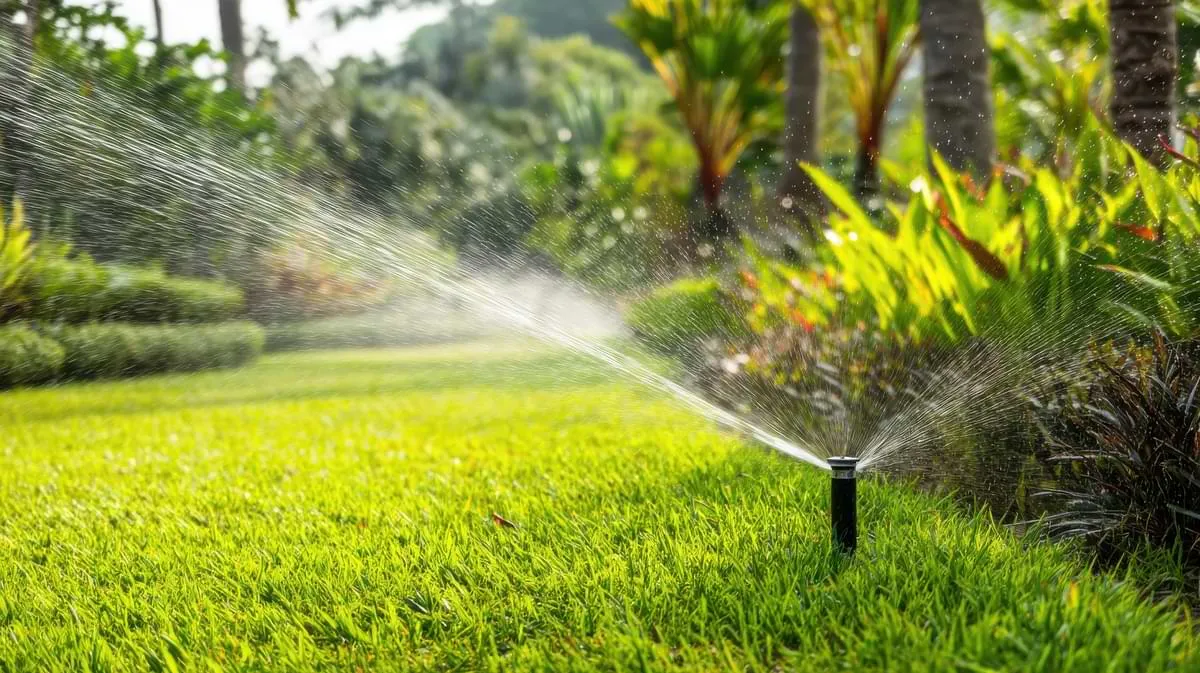
A sprinkler head that's broken, clogged, settled below grade, or replaced with the wrong model doesn't just create a dry spot — it throws the hydraulic balance of the entire zone off, overworking the heads around it and underserving the turf it's supposed to cover. By the time you see the brown patch in July, the damage is already done.

LP treats head repair and valve maintenance as diagnostic work, not just parts replacement. We identify the root cause — whether it's sediment from North Idaho well water clogging rotor nozzles, a hardened diaphragm from age and UV exposure, or a solenoid coil that's been burning out intermittently — before we pull parts off the truck. You get a repair that lasts, not a band-aid until next season.
Coeur d'Alene Post Falls Hayden Rathdrum
Maintenance project image featuring irrigation observation supporting owner confidence in Post Falls, Coeur d'Alene, and North Idaho
Why Correct Repair Matters

A mismatched repair costs more
than the right repair done once.

Eliminates Dry Spots Before They Kill Turf

A single head with a clogged nozzle or a rotor that's drifted 40 degrees off arc leaves a wedge of lawn receiving half its intended water. In a Post Falls July — where temperatures routinely hit 90–95°F and turf water demand peaks — that missed coverage shows up as a dead or burned patch within 10–14 days. LP's zone-by-zone inspection catches the miss before July, not during it.

Stops Wasted Water from Stuck-Open Valves

A zone valve that won't fully close runs its heads continuously — typically 24 hours a day for days before anyone notices the soggy turf. On a 6-head rotor zone running at 2.5 GPM per head, that's 360 gallons per hour flowing onto your lawn whether it needs water or not. At Post Falls municipal rates, a stuck-open valve running for 48 hours costs $35–$75 in water alone, plus the turf and plant damage from oversaturation.

Extends Head Lifespan With Proper Maintenance

A rotor head with clean nozzles, a properly tensioned return spring, and a correct-grade installation lasts 10–15 years. The same head with a partially clogged nozzle creating backpressure and a riser that's binding against compacted soil at the wrong grade lasts 3–5 years before the wiper seal fails and the head weeps continuously. LP's maintenance work extends the service life of every head we touch.

Prevents High-Pressure Zone Failures

A zone with too few active heads — because several have been broken and removed without replacement — runs at higher pressure than it was designed for, stressing the remaining heads' wiper seals, over-throwing water onto hardscape, and shortening the valve's diaphragm life. LP's zone flow testing identifies these modified zone layouts and documents them so repairs restore the original hydraulic balance.

"LP replaced all our broken heads and fixed the stuck valve. System runs like new again."
- Mike R., Post Falls
What LP Diagnoses & Repairs

From clogged nozzles to failed diaphragms —
diagnosed before replaced.

01

Head Identification & Compatible Matching

Replacing a broken head with the wrong model is one of the most common irrigation service mistakes. A head with a mismatched precipitation rate — even if it physically fits the riser — creates a zone with uneven application, producing dry spots at the replacement head's position and waterlogged areas where the surrounding heads overcompensate. LP identifies your existing head model, brand, arc, and precipitation rate before sourcing a replacement, ensuring every new head matches the zone's hydraulic design.

02

Head Grade Setting

Sprinkler heads should sit flush to grade — the top of the head cap level with surrounding turf — so the pop-up riser can stroke upward to full extension without interference, and so the head cap doesn't create a scalping hazard for mower decks or a trip hazard on lawn edges. In North Idaho's frost-active soils, heads commonly heave above grade or sink below it over winter. LP sets every replaced head to correct flush grade and backfills firmly to prevent re-settling.

03

Rotor Nozzle Cleaning & Replacement

Clogged rotor nozzles are LP's most frequent service call across Post Falls, Hayden, and CDA. North Idaho's well water commonly carries fine sediment and mineral deposits that accumulate in the small orifice of rotor nozzles over 2–3 seasons, reducing throw distance, distorting spray pattern, and eventually blocking the nozzle entirely. LP removes and clears nozzles ultrasonically or replaces with new matched nozzles when orifice wear from abrasion has enlarged the aperture beyond spec.

04

Valve Diaphragm Service

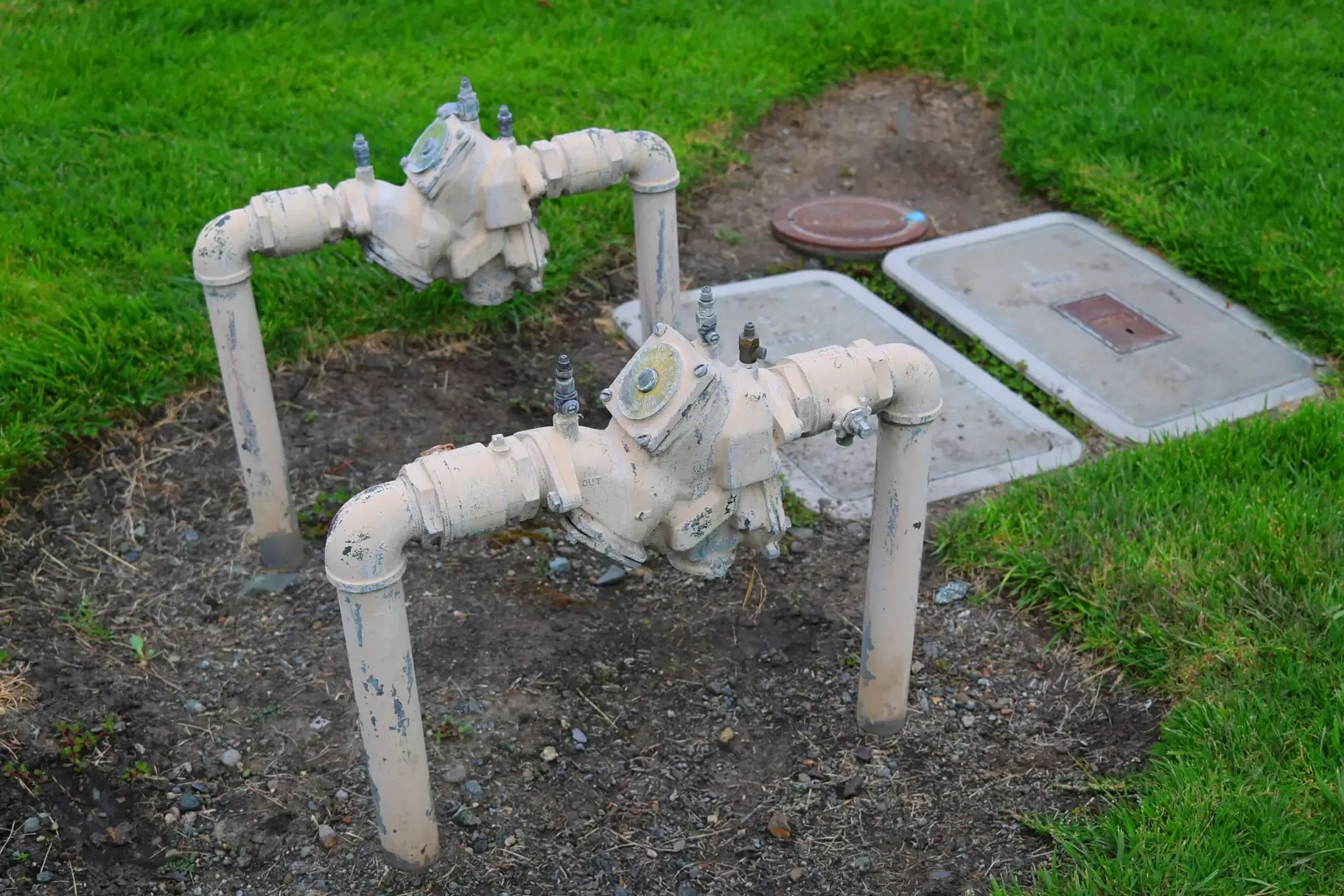
Every irrigation zone valve contains a rubber diaphragm that opens and closes the flow path when the solenoid signals. Diaphragms crack and harden with age — typically 8–12 years in North Idaho's UV-intense summers and cold winters — causing zones to either fail to open (water can't pass the stiff diaphragm) or fail to close (water flows continuously even when the solenoid is off). LP disassembles valve bodies, cleans the solenoid port and pilot passages, and replaces failed diaphragm assemblies with OEM-matched parts.

05

Valve Solenoid Replacement

Before assuming a valve has mechanical failure, LP tests solenoid coil resistance with a multimeter. A functioning solenoid reads 20–60 ohms depending on model; an open circuit or a short (near 0 ohms) indicates a burned coil that won't actuate the diaphragm no matter how many times you cycle the controller. Solenoid replacement is a 10-minute field repair that costs $18–$35 and restores the zone without valve removal. LP diagnoses electrically before excavating mechanically.

06

Zone Flow Testing

LP tests each zone against its design flow rate — the sum of all head precipitation rates at the zone's operating pressure — to identify hydraulic imbalances that visual inspection alone misses. A zone running significantly below design flow has either a partially clogged head, a valve that's not fully opening, or a lateral line with a partial obstruction. A zone running above design flow has had heads added or changed without accounting for the zone's total GPM capacity. Both conditions create uneven coverage and shorten system component life.

Recent Repair Work

Head and valve repair across Kootenai County.
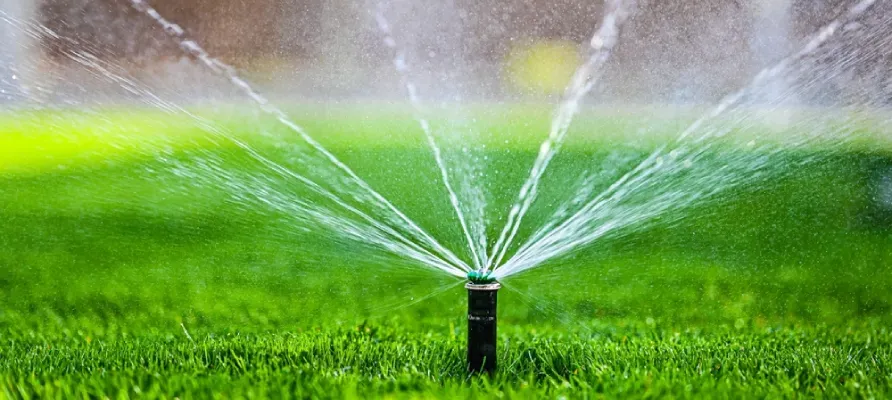
Maintenance project image featuring debris control supporting fewer stress symptoms in Post Falls, Coeur d'Alene, and North Idaho
Maintenance project image featuring irrigation observation supporting owner confidence in Post Falls, Coeur d'Alene, and North Idaho
Maintenance project image featuring edge refinement supporting owner confidence in Post Falls, Coeur d'Alene, and North Idaho
Maintenance project image featuring service routing supporting healthier seasonal growth in Post Falls, Coeur d'Alene, and North Idaho
Common Questions

Frequently Asked Questions

How do I know if my problem is a bad valve or a bad sprinkler head?
The distinction is straightforward once you know what to look for. A bad head typically affects only the area around that one head — dry spot nearby, head won't pop up, head stays up and weeps after the zone turns off, or spray pattern is obviously wrong. A bad valve affects the entire zone: zone won't turn on at all (valve stuck closed), zone runs continuously even when the controller is off (valve stuck open), or zone turns on weakly across all heads (valve not fully opening). LP can diagnose valve vs. head failure over the phone in most cases based on your description.
What does head repair versus valve repair cost in Post Falls or CDA?
Head replacement for a standard pop-up spray head typically runs $18–$35 in parts plus 20–30 minutes of labor. A rotor head replacement runs $25–$55 in parts depending on brand and series. Valve diaphragm service — disassembly, cleaning, and diaphragm replacement — typically runs $35–$65 in parts plus 45–60 minutes of labor. Full valve body replacement runs $55–$120 depending on valve size and whether the valve box requires excavation. LP provides itemized pricing before any repair begins.
Does LandscapePros stock common irrigation head brands?
LP trucks carry the most common replacement heads for North Idaho systems: Hunter PGP and Pro-Spray series, Rainbird 5000 and 1800 series, and Orbit heads. For less common or older Toro, K-Rain, and Weathermatic heads, LP sources parts within 1–2 business days from our supplier network. We do not substitute mismatched heads to close out a service call faster — we match the original spec or document the deviation and its hydraulic implications.
How often do zone valves need service in a North Idaho irrigation system?
Under normal conditions with clean municipal water supply, diaphragm valves in North Idaho systems typically need diaphragm replacement at 8–12 years. Systems on well water with sediment load, or systems that were drained improperly in the fall (leaving the diaphragm under spring compression over winter), can see diaphragm failure as early as 5–6 years. Solenoid coils are separate components and fail independently — typically 7–15 years — usually preceded by intermittent zone response before the coil fails completely.
What are the symptoms of a zone valve that is stuck open?
A stuck-open zone valve is one of the more visible irrigation problems: the corresponding zone runs continuously, even when the controller is in the "off" or "rain mode" setting, and even after the controller has been manually turned off. You'll notice saturated turf in one zone, water pooling near heads that are up when everything else is off, or heads weeping a slow trickle that never fully stops. In some cases the heads won't fully retract because the valve is bypassing enough pressure to keep them partially extended. LP carries diaphragm assemblies for the most common valve brands for same-day repair of stuck-open zones.

Free Estimate

One bad head or valve costs you more in turf damage than the repair does.

Coeur d'Alene Post Falls Hayden Rathdrum Spirit Lake Dalton Gardens Athol Moscow Genesee Troy Potlatch Deary Sandpoint Ponderay Priest River Dover Kootenai Kellogg Pinehurst Osburn Wallace Smelterville St. Maries Plummer Coeur d'Alene Post Falls Hayden Rathdrum Spirit Lake Dalton Gardens Athol Moscow Genesee Troy Potlatch Deary Sandpoint Ponderay Priest River Dover Kootenai Kellogg Pinehurst Osburn Wallace Smelterville St. Maries Plummer Coeur d'Alene Post Falls Hayden Rathdrum Spirit Lake Dalton Gardens Athol Moscow Genesee Troy Potlatch Deary Sandpoint Ponderay Priest River Dover Kootenai Kellogg Pinehurst Osburn Wallace Smelterville St. Maries Plummer Coeur d'Alene Post Falls Hayden Rathdrum Spirit Lake Dalton Gardens Athol Moscow Genesee Troy Potlatch Deary Sandpoint Ponderay Priest River Dover Kootenai Kellogg Pinehurst Osburn Wallace Smelterville St. Maries Plummer
Call Now Book Free Estimate
Sprinkler Head Repair & Valve Maintenance — Post Falls & CDA | LandscapePros
Placeholder image
Irrigation / Head Repair & Valve Maintenance

Head Repair & Valve Maintenance

Head Identification & Matching Grade Setting & Backfill Rotor Nozzle Cleaning Valve Diaphragm Service Solenoid Testing & Replacement Zone Flow Calibration
Real-Time Weather Monitoring Security Perimeter Lighting PICP Optimization Natural Boulder Retaining Walls Paths Hedge Planting Disposal Invasive Species Management ADA Compliance Upgrades Custom Irrigation System Design Energy Savings Approaches Vegetated Green Roof Maintenance Install SWPPP Compliance Shrub Health Care Relocation Septic System Site Prep Creek Crossings Land Clearing Bi-Weekly Lawn Care Pipe Repair Mulch Bed Pre-Emergent Weed Treatment Porter Services Smart Central Control Systems Drainage Bed Preparation Dust Control Weather Station Blow-Outs Field Mowing Slope Stabilization Reporting Pigmented Concrete Restoration Pressure Regulating Valve Installation Water Feature Excavation Smart Controller Integration Emergency Storm Response Athletic Field Construction Valve Maintenance Ponds 24/7 Zero-Tolerance Plowing Sidewalks Hydroseeding Redefining Drip Irrigation Installation Concrete Paving Irrigation Pump Station Maintenance Commercial Turf Management Sealing Tree Ring Enclosure Backflow Prevention Testing Commercial Vegetation Management Automated Lighting Control Systems Utility Trenching Seasonal Color Rotations Bollard Light Installation Garden Bed Definition Textured Borders Hearths Architectural Accent Lighting Driveway Base Segmental Block Retaining Walls Revegetation Fall Cleanups Native Prairie Meadow Restoration Bioswale Rain Garden Engineering Natural Stone Inlay Commercial-Grade Curbing Right-of-Way Clearing Chimneys Integrated Pest Management (IPM) Hedge Trimming Cut/Fill Custom Integrated Lighting Annual Displays Full-Scale Landscape Design Repair Bark Application Removal Bio-Retention Cell Maintenance Irrigation System Retrofitting HOA Maintenance Hard Surface Maintenance Detention Ponds De-Icing Flow Sensor Install Native Plant Design Slip-and-Fall Mitigation Liquid Brine Pre-Treatment Urban Beautification Public Works Infrastructure Foundation Excavation Continuous Concrete Edging De-Icing Flatwork Structural Retaining Walls Restoration Underground Utility Installation Natural Stone Patios Mower-Edge Profiles Softscape Installation Weed Control Calibration Overseeding Driveway Accents High-Volume Pumps Artificial Grass Park & Playground Construction Dedicated Site Staging Real-Time Weather Monitoring Security Perimeter Lighting PICP Optimization Natural Boulder Retaining Walls Paths Hedge Planting Disposal Invasive Species Management ADA Compliance Upgrades Custom Irrigation System Design Energy Savings Approaches Vegetated Green Roof Maintenance Install SWPPP Compliance Shrub Health Care Relocation Septic System Site Prep Creek Crossings Land Clearing Bi-Weekly Lawn Care Pipe Repair Mulch Bed Pre-Emergent Weed Treatment Porter Services Smart Central Control Systems Drainage Bed Preparation Dust Control Weather Station Blow-Outs Field Mowing Slope Stabilization Reporting Pigmented Concrete Restoration Pressure Regulating Valve Installation Water Feature Excavation Smart Controller Integration Emergency Storm Response Athletic Field Construction Valve Maintenance Ponds 24/7 Zero-Tolerance Plowing Sidewalks Hydroseeding Redefining Drip Irrigation Installation Concrete Paving Irrigation Pump Station Maintenance Commercial Turf Management Sealing Tree Ring Enclosure Backflow Prevention Testing Commercial Vegetation Management Automated Lighting Control Systems Utility Trenching Seasonal Color Rotations Bollard Light Installation Garden Bed Definition Textured Borders Hearths Architectural Accent Lighting Driveway Base Segmental Block Retaining Walls Revegetation Fall Cleanups Native Prairie Meadow Restoration Bioswale Rain Garden Engineering Natural Stone Inlay Commercial-Grade Curbing Right-of-Way Clearing Chimneys Integrated Pest Management (IPM) Hedge Trimming Cut/Fill Custom Integrated Lighting Annual Displays Full-Scale Landscape Design Repair Bark Application Removal Bio-Retention Cell Maintenance Irrigation System Retrofitting HOA Maintenance Hard Surface Maintenance Detention Ponds De-Icing Flow Sensor Install Native Plant Design Slip-and-Fall Mitigation Liquid Brine Pre-Treatment Urban Beautification Public Works Infrastructure Foundation Excavation Continuous Concrete Edging De-Icing Flatwork Structural Retaining Walls Restoration Underground Utility Installation Natural Stone Patios Mower-Edge Profiles Softscape Installation Weed Control Calibration Overseeding Driveway Accents High-Volume Pumps Artificial Grass Park & Playground Construction Dedicated Site Staging Real-Time Weather Monitoring Security Perimeter Lighting PICP Optimization Natural Boulder Retaining Walls Paths Hedge Planting Disposal Invasive Species Management ADA Compliance Upgrades Custom Irrigation System Design Energy Savings Approaches Vegetated Green Roof Maintenance Install SWPPP Compliance Shrub Health Care Relocation Septic System Site Prep Creek Crossings Land Clearing Bi-Weekly Lawn Care Pipe Repair Mulch Bed Pre-Emergent Weed Treatment Porter Services Smart Central Control Systems Drainage Bed Preparation Dust Control Weather Station Blow-Outs Field Mowing Slope Stabilization Reporting Pigmented Concrete Restoration Pressure Regulating Valve Installation Water Feature Excavation Smart Controller Integration Emergency Storm Response Athletic Field Construction Valve Maintenance Ponds 24/7 Zero-Tolerance Plowing Sidewalks Hydroseeding Redefining Drip Irrigation Installation Concrete Paving Irrigation Pump Station Maintenance Commercial Turf Management Sealing Tree Ring Enclosure Backflow Prevention Testing Commercial Vegetation Management Automated Lighting Control Systems Utility Trenching Seasonal Color Rotations Bollard Light Installation Garden Bed Definition Textured Borders Hearths Architectural Accent Lighting Driveway Base Segmental Block Retaining Walls Revegetation Fall Cleanups Native Prairie Meadow Restoration Bioswale Rain Garden Engineering Natural Stone Inlay Commercial-Grade Curbing Right-of-Way Clearing Chimneys Integrated Pest Management (IPM) Hedge Trimming Cut/Fill Custom Integrated Lighting Annual Displays Full-Scale Landscape Design Repair Bark Application Removal Bio-Retention Cell Maintenance Irrigation System Retrofitting HOA Maintenance Hard Surface Maintenance Detention Ponds De-Icing Flow Sensor Install Native Plant Design Slip-and-Fall Mitigation Liquid Brine Pre-Treatment Urban Beautification Public Works Infrastructure Foundation Excavation Continuous Concrete Edging De-Icing Flatwork Structural Retaining Walls Restoration Underground Utility Installation Natural Stone Patios Mower-Edge Profiles Softscape Installation Weed Control Calibration Overseeding Driveway Accents High-Volume Pumps Artificial Grass Park & Playground Construction Dedicated Site Staging Real-Time Weather Monitoring Security Perimeter Lighting PICP Optimization Natural Boulder Retaining Walls Paths Hedge Planting Disposal Invasive Species Management ADA Compliance Upgrades Custom Irrigation System Design Energy Savings Approaches Vegetated Green Roof Maintenance Install SWPPP Compliance Shrub Health Care Relocation Septic System Site Prep Creek Crossings Land Clearing Bi-Weekly Lawn Care Pipe Repair Mulch Bed Pre-Emergent Weed Treatment Porter Services Smart Central Control Systems Drainage Bed Preparation Dust Control Weather Station Blow-Outs Field Mowing Slope Stabilization Reporting Pigmented Concrete Restoration Pressure Regulating Valve Installation Water Feature Excavation Smart Controller Integration Emergency Storm Response Athletic Field Construction Valve Maintenance Ponds 24/7 Zero-Tolerance Plowing Sidewalks Hydroseeding Redefining Drip Irrigation Installation Concrete Paving Irrigation Pump Station Maintenance Commercial Turf Management Sealing Tree Ring Enclosure Backflow Prevention Testing Commercial Vegetation Management Automated Lighting Control Systems Utility Trenching Seasonal Color Rotations Bollard Light Installation Garden Bed Definition Textured Borders Hearths Architectural Accent Lighting Driveway Base Segmental Block Retaining Walls Revegetation Fall Cleanups Native Prairie Meadow Restoration Bioswale Rain Garden Engineering Natural Stone Inlay Commercial-Grade Curbing Right-of-Way Clearing Chimneys Integrated Pest Management (IPM) Hedge Trimming Cut/Fill Custom Integrated Lighting Annual Displays Full-Scale Landscape Design Repair Bark Application Removal Bio-Retention Cell Maintenance Irrigation System Retrofitting HOA Maintenance Hard Surface Maintenance Detention Ponds De-Icing Flow Sensor Install Native Plant Design Slip-and-Fall Mitigation Liquid Brine Pre-Treatment Urban Beautification Public Works Infrastructure Foundation Excavation Continuous Concrete Edging De-Icing Flatwork Structural Retaining Walls Restoration Underground Utility Installation Natural Stone Patios Mower-Edge Profiles Softscape Installation Weed Control Calibration Overseeding Driveway Accents High-Volume Pumps Artificial Grass Park & Playground Construction Dedicated Site Staging
Precision Repairs, Post Falls to CDA

The right head, at the right grade,
throwing the right amount of water.

A sprinkler head that's broken, clogged, settled below grade, or replaced with the wrong model doesn't just create a dry spot — it throws the hydraulic balance of the entire zone off, overworking the heads around it and underserving the turf it's supposed to cover. By the time you see the brown patch in July, the damage is already done.

LP treats head repair and valve maintenance as diagnostic work, not just parts replacement. We identify the root cause — whether it's sediment from North Idaho well water clogging rotor nozzles, a hardened diaphragm from age and UV exposure, or a solenoid coil that's been burning out intermittently — before we pull parts off the truck. You get a repair that lasts, not a band-aid until next season.

Coeur d'Alene Post Falls Hayden Rathdrum
Maintenance project image featuring edge refinement supporting owner confidence in Post Falls, Coeur d'Alene, and North Idaho
Why Correct Repair Matters

A mismatched repair costs more
than the right repair done once.

Eliminates Dry Spots Before They Kill Turf

A single head with a clogged nozzle or a rotor that's drifted 40 degrees off arc leaves a wedge of lawn receiving half its intended water. In a Post Falls July — where temperatures routinely hit 90–95°F and turf water demand peaks — that missed coverage shows up as a dead or burned patch within 10–14 days. LP's zone-by-zone inspection catches the miss before July, not during it.

Stops Wasted Water from Stuck-Open Valves

A zone valve that won't fully close runs its heads continuously — typically 24 hours a day for days before anyone notices the soggy turf. On a 6-head rotor zone running at 2.5 GPM per head, that's 360 gallons per hour flowing onto your lawn whether it needs water or not. At Post Falls municipal rates, a stuck-open valve running for 48 hours costs $35–$75 in water alone, plus the turf and plant damage from oversaturation.

Extends Head Lifespan With Proper Maintenance

A rotor head with clean nozzles, a properly tensioned return spring, and a correct-grade installation lasts 10–15 years. The same head with a partially clogged nozzle creating backpressure and a riser that's binding against compacted soil at the wrong grade lasts 3–5 years before the wiper seal fails and the head weeps continuously. LP's maintenance work extends the service life of every head we touch.

Prevents High-Pressure Zone Failures

A zone with too few active heads — because several have been broken and removed without replacement — runs at higher pressure than it was designed for, stressing the remaining heads' wiper seals, over-throwing water onto hardscape, and shortening the valve's diaphragm life. LP's zone flow testing identifies these modified zone layouts and documents them so repairs restore the original hydraulic balance.

"LP replaced all our broken heads and fixed the stuck valve. System runs like new again."
- Mike R., Post Falls
What LP Diagnoses & Repairs

From clogged nozzles to failed diaphragms —
diagnosed before replaced.

01

Head Identification & Compatible Matching

Replacing a broken head with the wrong model is one of the most common irrigation service mistakes. A head with a mismatched precipitation rate — even if it physically fits the riser — creates a zone with uneven application, producing dry spots at the replacement head's position and waterlogged areas where the surrounding heads overcompensate. LP identifies your existing head model, brand, arc, and precipitation rate before sourcing a replacement, ensuring every new head matches the zone's hydraulic design.

02

Head Grade Setting

Sprinkler heads should sit flush to grade — the top of the head cap level with surrounding turf — so the pop-up riser can stroke upward to full extension without interference, and so the head cap doesn't create a scalping hazard for mower decks or a trip hazard on lawn edges. In North Idaho's frost-active soils, heads commonly heave above grade or sink below it over winter. LP sets every replaced head to correct flush grade and backfills firmly to prevent re-settling.

03

Rotor Nozzle Cleaning & Replacement

Clogged rotor nozzles are LP's most frequent service call across Post Falls, Hayden, and CDA. North Idaho's well water commonly carries fine sediment and mineral deposits that accumulate in the small orifice of rotor nozzles over 2–3 seasons, reducing throw distance, distorting spray pattern, and eventually blocking the nozzle entirely. LP removes and clears nozzles ultrasonically or replaces with new matched nozzles when orifice wear from abrasion has enlarged the aperture beyond spec.

04

Valve Diaphragm Service

Every irrigation zone valve contains a rubber diaphragm that opens and closes the flow path when the solenoid signals. Diaphragms crack and harden with age — typically 8–12 years in North Idaho's UV-intense summers and cold winters — causing zones to either fail to open (water can't pass the stiff diaphragm) or fail to close (water flows continuously even when the solenoid is off). LP disassembles valve bodies, cleans the solenoid port and pilot passages, and replaces failed diaphragm assemblies with OEM-matched parts.

05

Valve Solenoid Replacement

Before assuming a valve has mechanical failure, LP tests solenoid coil resistance with a multimeter. A functioning solenoid reads 20–60 ohms depending on model; an open circuit or a short (near 0 ohms) indicates a burned coil that won't actuate the diaphragm no matter how many times you cycle the controller. Solenoid replacement is a 10-minute field repair that costs $18–$35 and restores the zone without valve removal. LP diagnoses electrically before excavating mechanically.

06

Zone Flow Testing

LP tests each zone against its design flow rate — the sum of all head precipitation rates at the zone's operating pressure — to identify hydraulic imbalances that visual inspection alone misses. A zone running significantly below design flow has either a partially clogged head, a valve that's not fully opening, or a lateral line with a partial obstruction. A zone running above design flow has had heads added or changed without accounting for the zone's total GPM capacity. Both conditions create uneven coverage and shorten system component life.

Recent Repair Work

Head and valve repair across Kootenai County.
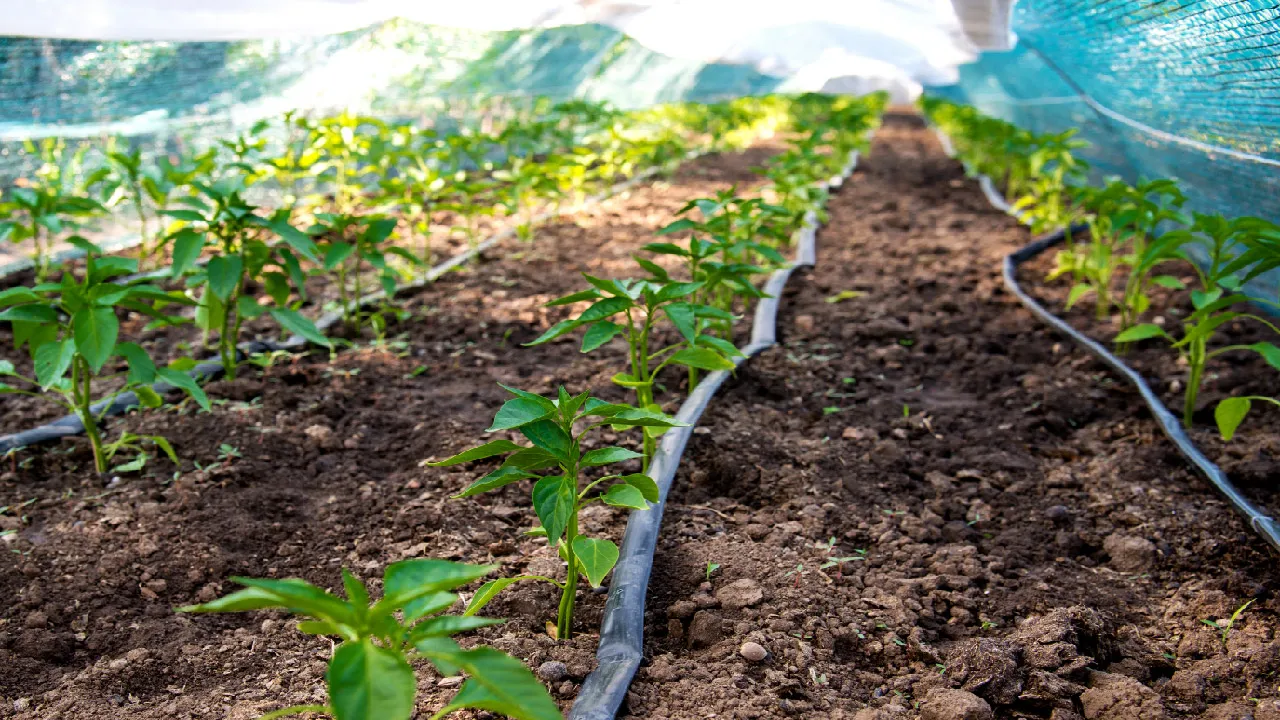
Maintenance project image featuring debris control supporting fewer stress symptoms in Post Falls, Coeur d'Alene, and North Idaho
Maintenance project image featuring irrigation observation supporting owner confidence in Post Falls, Coeur d'Alene, and North Idaho
Maintenance project image featuring edge refinement supporting owner confidence in Post Falls, Coeur d'Alene, and North Idaho
Maintenance project image featuring service routing supporting healthier seasonal growth in Post Falls, Coeur d'Alene, and North Idaho
Common Questions

Frequently Asked Questions

How do I know if my problem is a bad valve or a bad sprinkler head?
The distinction is straightforward once you know what to look for. A bad head typically affects only the area around that one head — dry spot nearby, head won't pop up, head stays up and weeps after the zone turns off, or spray pattern is obviously wrong. A bad valve affects the entire zone: zone won't turn on at all (valve stuck closed), zone runs continuously even when the controller is off (valve stuck open), or zone turns on weakly across all heads (valve not fully opening). LP can diagnose valve vs. head failure over the phone in most cases based on your description.
What does head repair versus valve repair cost in Post Falls or CDA?
Head replacement for a standard pop-up spray head typically runs $18–$35 in parts plus 20–30 minutes of labor. A rotor head replacement runs $25–$55 in parts depending on brand and series. Valve diaphragm service — disassembly, cleaning, and diaphragm replacement — typically runs $35–$65 in parts plus 45–60 minutes of labor. Full valve body replacement runs $55–$120 depending on valve size and whether the valve box requires excavation. LP provides itemized pricing before any repair begins.
Does LandscapePros stock common irrigation head brands?
LP trucks carry the most common replacement heads for North Idaho systems: Hunter PGP and Pro-Spray series, Rainbird 5000 and 1800 series, and Orbit heads. For less common or older Toro, K-Rain, and Weathermatic heads, LP sources parts within 1–2 business days from our supplier network. We do not substitute mismatched heads to close out a service call faster — we match the original spec or document the deviation and its hydraulic implications.
How often do zone valves need service in a North Idaho irrigation system?
Under normal conditions with clean municipal water supply, diaphragm valves in North Idaho systems typically need diaphragm replacement at 8–12 years. Systems on well water with sediment load, or systems that were drained improperly in the fall (leaving the diaphragm under spring compression over winter), can see diaphragm failure as early as 5–6 years. Solenoid coils are separate components and fail independently — typically 7–15 years — usually preceded by intermittent zone response before the coil fails completely.
What are the symptoms of a zone valve that is stuck open?
A stuck-open zone valve is one of the more visible irrigation problems: the corresponding zone runs continuously, even when the controller is in the "off" or "rain mode" setting, and even after the controller has been manually turned off. You'll notice saturated turf in one zone, water pooling near heads that are up when everything else is off, or heads weeping a slow trickle that never fully stops. In some cases the heads won't fully retract because the valve is bypassing enough pressure to keep them partially extended. LP carries diaphragm assemblies for the most common valve brands for same-day repair of stuck-open zones.

Free Estimate

One bad head or valve costs you more in turf damage than the repair does.

Coeur d'Alene Post Falls Hayden Rathdrum Spirit Lake Dalton Gardens Athol Moscow Genesee Troy Potlatch Deary Sandpoint Ponderay Priest River Dover Kootenai Kellogg Pinehurst Osburn Wallace Smelterville St. Maries Plummer Coeur d'Alene Post Falls Hayden Rathdrum Spirit Lake Dalton Gardens Athol Moscow Genesee Troy Potlatch Deary Sandpoint Ponderay Priest River Dover Kootenai Kellogg Pinehurst Osburn Wallace Smelterville St. Maries Plummer Coeur d'Alene Post Falls Hayden Rathdrum Spirit Lake Dalton Gardens Athol Moscow Genesee Troy Potlatch Deary Sandpoint Ponderay Priest River Dover Kootenai Kellogg Pinehurst Osburn Wallace Smelterville St. Maries Plummer Coeur d'Alene Post Falls Hayden Rathdrum Spirit Lake Dalton Gardens Athol Moscow Genesee Troy Potlatch Deary Sandpoint Ponderay Priest River Dover Kootenai Kellogg Pinehurst Osburn Wallace Smelterville St. Maries Plummer
Call Now Book Free Estimate