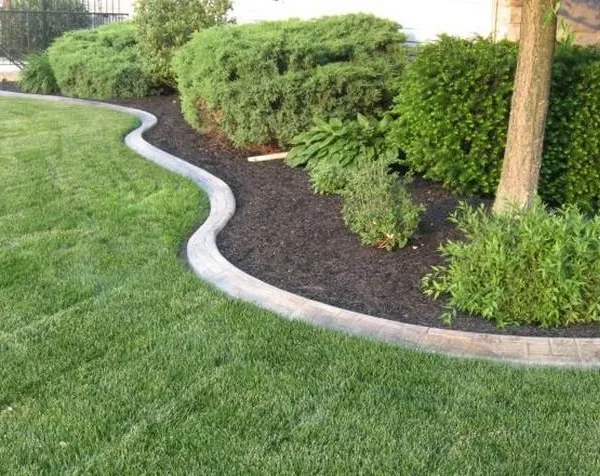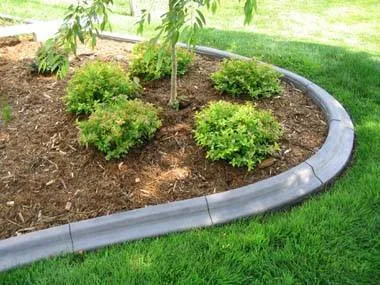
Maintenance project image featuring edge refinement supporting fewer stress symptoms in Post Falls, Coeur d'Alene, and North Idaho
Curbing / Continuous Concrete Edging

Continuous Concrete Edging

Machine-Extruded No Joints or Seams Integral Color Available UV-Sealed Freeze-Thaw Rated
PICP Segmental Block Retaining Walls Automated Lighting Control Systems Mower-Edge Profiles Pigmented Concrete Commercial-Grade Curbing Natural Boulder Retaining Walls De-Icing Flatwork Cut/Fill Chimneys Overseeding Slope Stabilization Weather Station Dedicated Site Staging Paths Relocation Natural Stone Patios Vegetated Green Roof Maintenance Hedge Planting Sidewalks Hydroseeding Smart Central Control Systems Emergency Storm Response Artificial Grass Sealing Irrigation System Retrofitting Right-of-Way Clearing Energy Savings Weed Control Flow Sensor Install Dust Control Smart Controller Integration ADA Compliance Upgrades Athletic Field Construction Garden Bed Definition Slip-and-Fall Mitigation Bi-Weekly Lawn Care Security Perimeter Lighting Softscape Installation Fall Cleanups Pipe Repair Commercial Turf Management HOA Maintenance Bollard Light Installation Concrete Paving Custom Integrated Lighting Park & Playground Construction Repair Annual Displays Calibration High-Volume Pumps De-Icing Bark Application Disposal Irrigation Pump Station Maintenance Reporting Field Mowing Backflow Prevention Testing Commercial Custom Irrigation System Design Utility Trenching Tree Ring Enclosure Native Prairie Meadow Restoration Restoration Creek Crossings Foundation Excavation Liquid Brine Pre-Treatment Ponds Blow-Outs Native Plant Design Real-Time Weather Monitoring Land Clearing Drainage Porter Services Hedge Trimming Vegetation Management Restoration Hearths SWPPP Compliance Textured Borders Shrub Health Care Bioswale Rain Garden Engineering Public Works Infrastructure Pressure Regulating Valve Installation Structural Retaining Walls Septic System Site Prep Driveway Accents Underground Utility Installation Redefining Optimization Integrated Pest Management (IPM) 24/7 Zero-Tolerance Plowing Invasive Species Management Driveway Base Bed Preparation Removal Continuous Concrete Edging Full-Scale Landscape Design Detention Ponds Mulch Bed Pre-Emergent Weed Treatment Install Natural Stone Inlay Bio-Retention Cell Maintenance Valve Maintenance Urban Beautification Hard Surface Maintenance Revegetation Drip Irrigation Installation Seasonal Color Rotations Architectural Accent Lighting Water Feature Excavation Approaches PICP Segmental Block Retaining Walls Automated Lighting Control Systems Mower-Edge Profiles Pigmented Concrete Commercial-Grade Curbing Natural Boulder Retaining Walls De-Icing Flatwork Cut/Fill Chimneys Overseeding Slope Stabilization Weather Station Dedicated Site Staging Paths Relocation Natural Stone Patios Vegetated Green Roof Maintenance Hedge Planting Sidewalks Hydroseeding Smart Central Control Systems Emergency Storm Response Artificial Grass Sealing Irrigation System Retrofitting Right-of-Way Clearing Energy Savings Weed Control Flow Sensor Install Dust Control Smart Controller Integration ADA Compliance Upgrades Athletic Field Construction Garden Bed Definition Slip-and-Fall Mitigation Bi-Weekly Lawn Care Security Perimeter Lighting Softscape Installation Fall Cleanups Pipe Repair Commercial Turf Management HOA Maintenance Bollard Light Installation Concrete Paving Custom Integrated Lighting Park & Playground Construction Repair Annual Displays Calibration High-Volume Pumps De-Icing Bark Application Disposal Irrigation Pump Station Maintenance Reporting Field Mowing Backflow Prevention Testing Commercial Custom Irrigation System Design Utility Trenching Tree Ring Enclosure Native Prairie Meadow Restoration Restoration Creek Crossings Foundation Excavation Liquid Brine Pre-Treatment Ponds Blow-Outs Native Plant Design Real-Time Weather Monitoring Land Clearing Drainage Porter Services Hedge Trimming Vegetation Management Restoration Hearths SWPPP Compliance Textured Borders Shrub Health Care Bioswale Rain Garden Engineering Public Works Infrastructure Pressure Regulating Valve Installation Structural Retaining Walls Septic System Site Prep Driveway Accents Underground Utility Installation Redefining Optimization Integrated Pest Management (IPM) 24/7 Zero-Tolerance Plowing Invasive Species Management Driveway Base Bed Preparation Removal Continuous Concrete Edging Full-Scale Landscape Design Detention Ponds Mulch Bed Pre-Emergent Weed Treatment Install Natural Stone Inlay Bio-Retention Cell Maintenance Valve Maintenance Urban Beautification Hard Surface Maintenance Revegetation Drip Irrigation Installation Seasonal Color Rotations Architectural Accent Lighting Water Feature Excavation Approaches PICP Segmental Block Retaining Walls Automated Lighting Control Systems Mower-Edge Profiles Pigmented Concrete Commercial-Grade Curbing Natural Boulder Retaining Walls De-Icing Flatwork Cut/Fill Chimneys Overseeding Slope Stabilization Weather Station Dedicated Site Staging Paths Relocation Natural Stone Patios Vegetated Green Roof Maintenance Hedge Planting Sidewalks Hydroseeding Smart Central Control Systems Emergency Storm Response Artificial Grass Sealing Irrigation System Retrofitting Right-of-Way Clearing Energy Savings Weed Control Flow Sensor Install Dust Control Smart Controller Integration ADA Compliance Upgrades Athletic Field Construction Garden Bed Definition Slip-and-Fall Mitigation Bi-Weekly Lawn Care Security Perimeter Lighting Softscape Installation Fall Cleanups Pipe Repair Commercial Turf Management HOA Maintenance Bollard Light Installation Concrete Paving Custom Integrated Lighting Park & Playground Construction Repair Annual Displays Calibration High-Volume Pumps De-Icing Bark Application Disposal Irrigation Pump Station Maintenance Reporting Field Mowing Backflow Prevention Testing Commercial Custom Irrigation System Design Utility Trenching Tree Ring Enclosure Native Prairie Meadow Restoration Restoration Creek Crossings Foundation Excavation Liquid Brine Pre-Treatment Ponds Blow-Outs Native Plant Design Real-Time Weather Monitoring Land Clearing Drainage Porter Services Hedge Trimming Vegetation Management Restoration Hearths SWPPP Compliance Textured Borders Shrub Health Care Bioswale Rain Garden Engineering Public Works Infrastructure Pressure Regulating Valve Installation Structural Retaining Walls Septic System Site Prep Driveway Accents Underground Utility Installation Redefining Optimization Integrated Pest Management (IPM) 24/7 Zero-Tolerance Plowing Invasive Species Management Driveway Base Bed Preparation Removal Continuous Concrete Edging Full-Scale Landscape Design Detention Ponds Mulch Bed Pre-Emergent Weed Treatment Install Natural Stone Inlay Bio-Retention Cell Maintenance Valve Maintenance Urban Beautification Hard Surface Maintenance Revegetation Drip Irrigation Installation Seasonal Color Rotations Architectural Accent Lighting Water Feature Excavation Approaches PICP Segmental Block Retaining Walls Automated Lighting Control Systems Mower-Edge Profiles Pigmented Concrete Commercial-Grade Curbing Natural Boulder Retaining Walls De-Icing Flatwork Cut/Fill Chimneys Overseeding Slope Stabilization Weather Station Dedicated Site Staging Paths Relocation Natural Stone Patios Vegetated Green Roof Maintenance Hedge Planting Sidewalks Hydroseeding Smart Central Control Systems Emergency Storm Response Artificial Grass Sealing Irrigation System Retrofitting Right-of-Way Clearing Energy Savings Weed Control Flow Sensor Install Dust Control Smart Controller Integration ADA Compliance Upgrades Athletic Field Construction Garden Bed Definition Slip-and-Fall Mitigation Bi-Weekly Lawn Care Security Perimeter Lighting Softscape Installation Fall Cleanups Pipe Repair Commercial Turf Management HOA Maintenance Bollard Light Installation Concrete Paving Custom Integrated Lighting Park & Playground Construction Repair Annual Displays Calibration High-Volume Pumps De-Icing Bark Application Disposal Irrigation Pump Station Maintenance Reporting Field Mowing Backflow Prevention Testing Commercial Custom Irrigation System Design Utility Trenching Tree Ring Enclosure Native Prairie Meadow Restoration Restoration Creek Crossings Foundation Excavation Liquid Brine Pre-Treatment Ponds Blow-Outs Native Plant Design Real-Time Weather Monitoring Land Clearing Drainage Porter Services Hedge Trimming Vegetation Management Restoration Hearths SWPPP Compliance Textured Borders Shrub Health Care Bioswale Rain Garden Engineering Public Works Infrastructure Pressure Regulating Valve Installation Structural Retaining Walls Septic System Site Prep Driveway Accents Underground Utility Installation Redefining Optimization Integrated Pest Management (IPM) 24/7 Zero-Tolerance Plowing Invasive Species Management Driveway Base Bed Preparation Removal Continuous Concrete Edging Full-Scale Landscape Design Detention Ponds Mulch Bed Pre-Emergent Weed Treatment Install Natural Stone Inlay Bio-Retention Cell Maintenance Valve Maintenance Urban Beautification Hard Surface Maintenance Revegetation Drip Irrigation Installation Seasonal Color Rotations Architectural Accent Lighting Water Feature Excavation Approaches
Why It Matters

The border that never
needs to be reset.

Every plastic edging strip you've ever replaced. Every steel edge that shifted after frost. Every aluminum section that bent under the mower. They all share the same flaw: they're assembled, not formed.

Machine-extruded continuous concrete edging is formed in one pass, on-site, as a single monolithic border. There are no joints for frost to pry open. No sections to shift. No stakes to pull out. The border stays exactly where we put it because it's concrete — not plastic, not metal, not wishful thinking.

In North Idaho, where freeze-thaw cycling between October and April tests every material in the ground, a continuous concrete border isn't a luxury — it's the only installation that genuinely holds long-term.
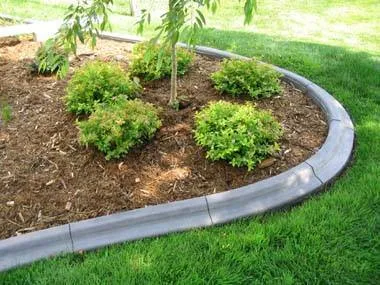
Residential landscaping design and installation work featuring native palette planning supporting balanced texture and depth in Post Falls and North Idaho for the service page hero section
Why LP

What continuous concrete
delivers over every alternative.

No Joints, No Migration

A single continuous extrusion means no joints or seams where grass and weeds creep through. The border stays exactly where we place it — permanently.

Zero joints = Zero weed migration

Freeze-Thaw Engineered

We use 4,000 PSI fiber-reinforced concrete and UV-stable sealers rated for North Idaho's repeated freeze-thaw cycling. No crumbling, no heaving, no annual repairs.

Rated for 30-40 freeze-thaw cycles/year

Zero Ongoing Maintenance

Unlike steel, aluminum, or plastic alternatives, machine-extruded concrete requires no seasonal adjustments, no re-anchoring, and no replacement — ever.

20+ year lifespan in North Idaho climate

Curbs Grade Changes

Our extrusion machines follow the natural terrain — uphill, downhill, around obstacles — so the edging fits your actual landscape, not a flat-lot assumption.

Follows any terrain grade change
Applications

Every edge, every run,
every yard type.

From a single curved flower bed to a full-yard edging system spanning hundreds of linear feet — continuous extrusion handles every configuration.

Flower Bed Edging

Sweeping, graceful arcs that trace the natural geometry of planting beds, containing mulch and soil while eliminating the mow-and-trim maintenance loop.

Lawn Boundary Borders

Clean definition between turf and planting zones, gravel areas, or hardscape transitions — crisp lines that hold through 20 Idaho winters.

Sloped & Terraced Edging

Continuous edging that follows grade changes across hillsides and terraced yards, maintaining a uniform profile from top to bottom.

Curved Freeform Profiles

Custom radius curves, S-curves, and organic freeform layouts staked and confirmed with you before the first yard of concrete is extruded.

Straight-Run Mow Strips

Long, dead-straight runs along driveways, sidewalks, and fence lines — accurate enough that a mower wheel rides the top edge, ending the weed-eater pass.

Multi-Zone Installations

Full-yard curbing layouts coordinating all bed edges, borders, and mow strips in one mobilization — priced per linear foot with a written scope of work.

Quick Facts

Everything you need to know
about concrete curbing.

What is machine-extruded concrete edging?

Machine-extruded concrete edging is formed on-site using a specialized curbing machine that pushes fresh concrete through a shaped die, creating a single continuous border with no joints or seams. This produces a monolithic concrete form that's far more durable than assembled alternatives.

How long does concrete curbing last?

When properly installed with the right concrete mix and sealers, machine-extruded concrete curbing lasts 20+ years in North Idaho's climate. LP uses 4,000 PSI fiber-reinforced concrete rated for 30-40 freeze-thaw cycles per year.

Does concrete edging crack in winter?

Not when installed correctly. LP uses air-entrained concrete mix that allows micro-expansion during freeze-thaw cycles without cracking. Fiber reinforcement controls any micro-cracking from thermal movement. Every installation is warranted against cracking.

Cost of concrete curbing per foot?

Machine-extruded concrete edging costs $8-14 per linear foot installed in North Idaho, depending on profile style, color selection, and site complexity. A typical residential yard with 150-250 linear feet runs $1,200-$3,000 fully installed and sealed.

Can concrete curbing follow curves?

Yes — extrusion machines follow any staked path, including tight radius curves, sweeping arcs, S-curves, and sloped terrain. The continuous nature means curves maintain uniform profile and strength throughout the entire run.

LP curbing warranty and experience?

Family-owned LandscapePros has installed machine-extruded concrete curbing in Post Falls, Coeur d'Alene, and Kootenai County since 2005. 4.8-star rated with 16 Google reviews. Warranties against cracking from normal freeze-thaw conditions.

North Idaho Curbing Realities

What Post Falls winters
do to edging alternatives.

Kootenai County averages 30–40 freeze-thaw cycles per year. Plastic edging becomes brittle after a few seasons. Steel edges heave and tilt as the soil beneath them contracts and expands. Aluminum bends under snow load. Every non-concrete alternative requires periodic inspection and repair.

LP has been installing machine-extruded concrete curbing in Post Falls, Coeur d'Alene, Hayden, and Rathdrum since 2005. We know the soil conditions, the frost depths, and the mix ratios that make concrete edging last 20+ years in this climate — not just the first two winters.

30–40
Freeze-Thaw Cycles / Year
Kootenai County averages more cycles than most of Idaho — every edging material gets tested hard.
4,000 PSI
Concrete Mix Spec
Air-entrained fiber-reinforced mix rated for North Idaho climate; not standard residential mix.
UV-Stable
Sealer
Penetrating acrylic sealer applied on every installation to lock color and protect against surface wear.
Since 2005
LP Curbing Experience
Twenty years of concrete edging installations in the Inland Northwest — we know what lasts here.
Project Gallery

Continuous edging
in the field.

Maintenance project image featuring debris control supporting predictable weekly results in Post Falls, Coeur d'Alene, and North Idaho

Continuous concrete edging curving around a large flower bed

Post Falls, ID
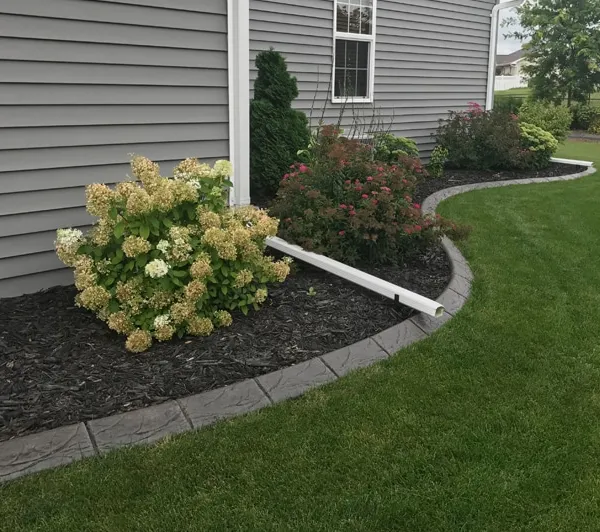
Landscaping project image featuring seasonal color layering supporting visual rhythm and curb appeal in Post Falls, Coeur d'Alene, and North Idaho, gallery view 2

Machine-extruded mow strip along driveway edge

Coeur d'Alene
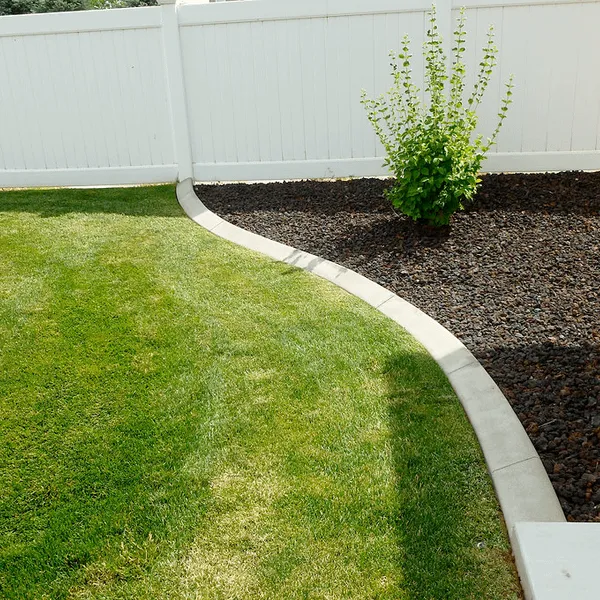
Landscaping project image featuring planting choreography supporting balanced texture and depth in Post Falls, Coeur d'Alene, and North Idaho, gallery view 2

Continuous edging following slope terrain

Hayden, ID
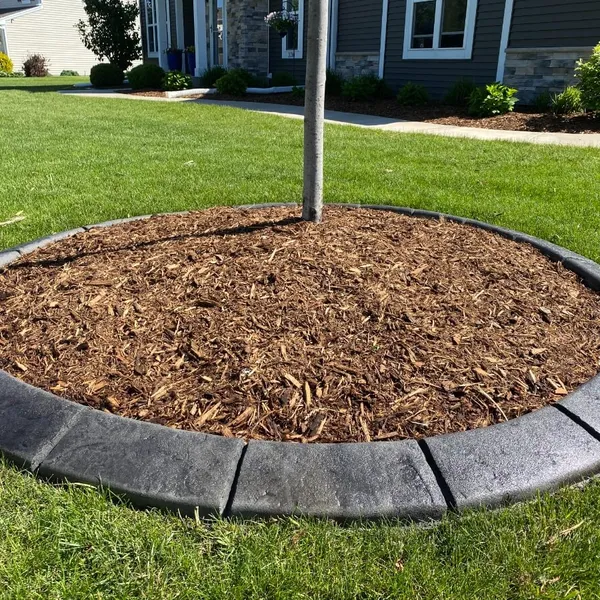
Landscaping project image featuring native palette planning supporting balanced texture and depth in Post Falls, Coeur d'Alene, and North Idaho, gallery view 2

Full-yard curbing layout after installation

Rathdrum, ID

Common Questions

Frequently Asked Questions

What is machine-extruded concrete edging and how is it different from other edging?
Machine-extruded concrete edging is formed on-site by a specialized curbing machine that pushes fresh concrete through a shaped die, creating a single continuous border with no joints or sections. This is fundamentally different from poured forms (which have seams), plastic edging (which shifts and degrades), steel edging (which rusts), or aluminum edging (which bends). The continuous extrusion produces a monolithic concrete form that is far more durable than any assembled alternative and requires no annual maintenance or replacement.
How much does continuous concrete edging cost in Post Falls and Kootenai County?
Machine-extruded concrete edging in North Idaho typically ranges from $8 to $14 per linear foot installed, depending on the profile style, color selection, site complexity, and total linear footage. A standard residential yard with 150–250 linear feet of bed edging usually runs $1,200–$3,000 fully installed and sealed. LP provides written estimates after a free on-site measurement — we do not quote by phone because every site is different.
Can continuous concrete edging follow curves and slopes?
Yes — this is one of the primary advantages over alternatives. Our extrusion machine follows any path we stake, including tight radius curves, gentle sweeping arcs, S-curves, and sloped terrain with grade changes of several feet over a run. We stake the full layout before installation and confirm the radius and routing with you before any concrete is extruded. Changes at the staking stage are free; changes after extrusion are not.
Will concrete edging crack in North Idaho winters?
Not when installed correctly. We use a 4,000 PSI air-entrained concrete mix with polypropylene fiber reinforcement — the air-entrained mix allows micro-expansion during freeze-thaw cycles without cracking, and the fiber reinforcement controls any micro-cracking from thermal movement. Every installation is sealed with a UV-stable penetrating acrylic sealer before we leave the site. Our installations are warranted against cracking from normal freeze-thaw conditions.
How long does a continuous concrete edging installation take?
Most residential edging projects are completed in a single day. A typical 150–200 linear foot installation, including staking, layout confirmation, base preparation, extrusion, and sealing, usually takes 4–6 hours. Larger projects or yards with significant access limitations may require two days. The concrete is walkable after 24 hours and fully cured within 7 days, after which it can receive heavy equipment traffic.

Free Estimate

Get your yard edges defined — permanently.

Coeur d'Alene Post Falls Hayden Rathdrum Spirit Lake Dalton Gardens Athol Moscow Genesee Troy Potlatch Deary Sandpoint Ponderay Priest River Dover Kootenai Kellogg Pinehurst Osburn Wallace Smelterville St. Maries Plummer Coeur d'Alene Post Falls Hayden Rathdrum Spirit Lake Dalton Gardens Athol Moscow Genesee Troy Potlatch Deary Sandpoint Ponderay Priest River Dover Kootenai Kellogg Pinehurst Osburn Wallace Smelterville St. Maries Plummer Coeur d'Alene Post Falls Hayden Rathdrum Spirit Lake Dalton Gardens Athol Moscow Genesee Troy Potlatch Deary Sandpoint Ponderay Priest River Dover Kootenai Kellogg Pinehurst Osburn Wallace Smelterville St. Maries Plummer Coeur d'Alene Post Falls Hayden Rathdrum Spirit Lake Dalton Gardens Athol Moscow Genesee Troy Potlatch Deary Sandpoint Ponderay Priest River Dover Kootenai Kellogg Pinehurst Osburn Wallace Smelterville St. Maries Plummer
Call Now Book Free Estimate