
Culverts & Creek Crossings
An undersized culvert is
a driveway waiting to wash out.
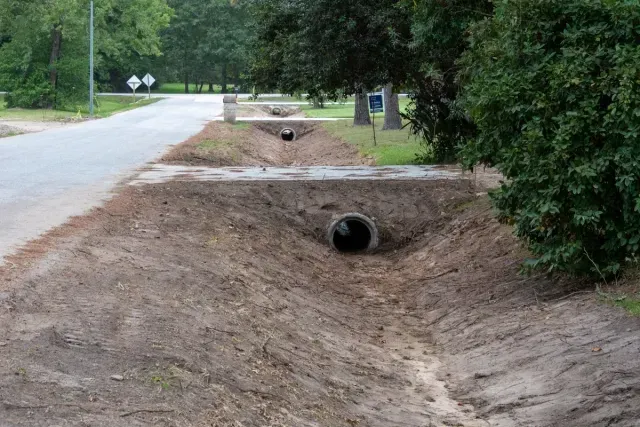
North Idaho spring runoff is not a gentle event. Kootenai County drainage channels can move significant water volume in April and early May — and a culvert that looks fine in August can be completely overwhelmed by a spring melt event. LP sizes culverts for peak flow, not typical flow.
LP's excavation capability means we handle the full culvert scope: ditch preparation, pipe bedding, installation at proper grade, headwall work, and road base restoration. Stone-clad masonry headwalls are LP's specialty for driveway entries where the crossing is also the property's first impression. We've been handling culvert and crossing work across Kootenai and Bonner County since 2005.
Excavation + masonry
under one contract.
Sized for Peak Spring Runoff
North Idaho's spring runoff peaks are significantly higher than summer or fall flow. LP sizes culverts for the peak event — not for the average. A culvert that handles typical summer flow can be overwhelmed by April snowmelt in Kootenai County. Undersized culverts back up, erode embankments, and wash out road base. LP sizes right the first time.
Excavation and Masonry as One Scope
Culvert installations require both excavation (ditch prep, pipe bedding, backfill compaction) and masonry work (headwalls, stone cladding). LP handles both. There's no coordination required between a separate excavation contractor and a masonry subcontractor — one crew and one project manager handle the full crossing installation.
Compliance With Idaho Waterway Rules
Culvert work crossing regulated waterways in Idaho requires permits and must comply with IDWR and Kootenai County requirements. LP handles permit requirement assessment as part of the project scope. Installing unpermitted culverts on regulated waterways exposes property owners to significant penalties and required removal — LP ensures the work is done right and documented.
Rural Property Expertise
LP's crew has extensive experience on rural Kootenai and Bonner County properties with seasonal creeks, seasonal access roads, agricultural crossings, and large-drainage-basin culvert sizing scenarios. These crossings are different from subdivision drainage structures — LP's rural project experience means we understand the site conditions and permit landscape for North Idaho rural properties.
Every element of a properly
engineered culvert crossing.
Culvert Pipe Sizing & Selection
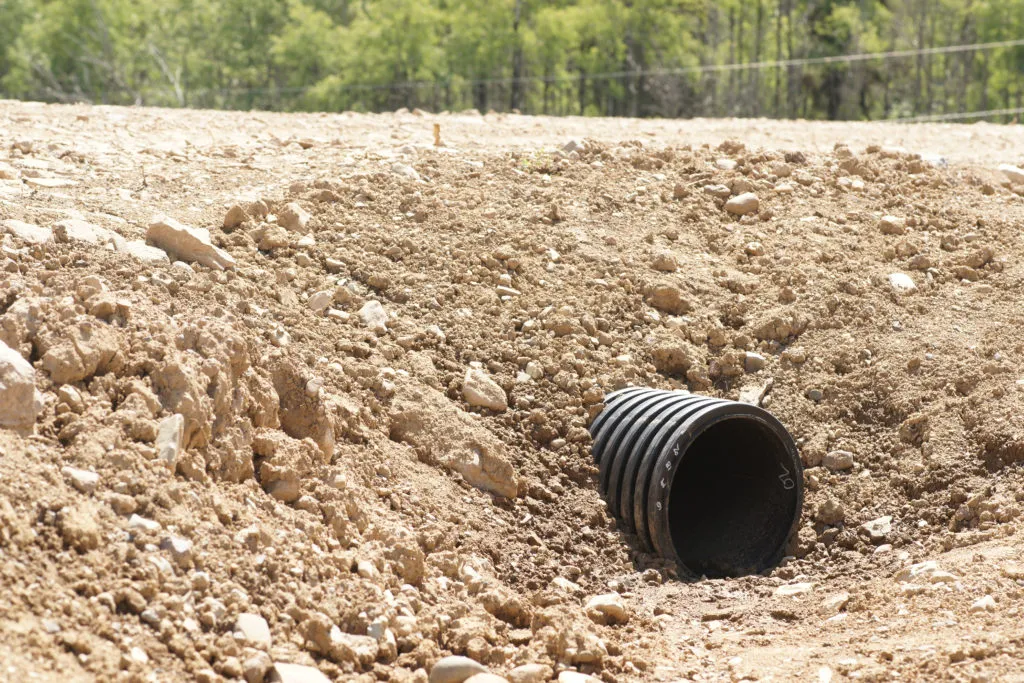
Undersized culverts are the most common failure point in driveway drainage. LP sizes culvert pipe based on the drainage basin feeding the crossing — accounting for peak spring runoff, not just typical flow. HDPE corrugated pipe, smooth-bore pipe, and concrete pipe are all used depending on flow requirements, cover depth, and site conditions. Minimum 12" diameter for most driveways; larger for drainage areas with significant runoff.
Driveway Culvert Installation
Full culvert crossing installation: excavation of the road ditch to proper invert grade, pipe bedding with compacted granular material, pipe installation at correct grade to ensure positive drainage, headwall (flared end section or masonry headwall), and road base restoration over the pipe. LP sizes road base depth over the culvert for the expected vehicle loading — light residential vs. agricultural/delivery traffic.
Stone-Clad Crossings
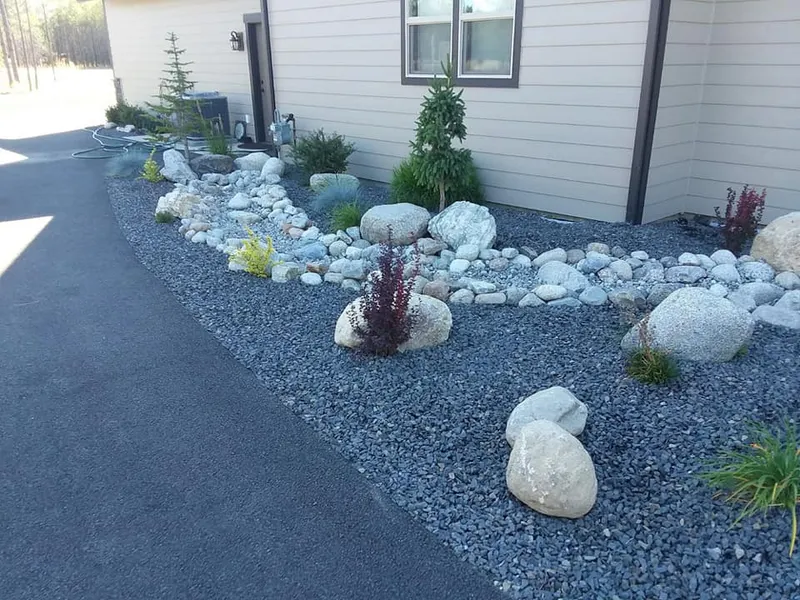
Boulder and natural stone headwall work cladding culvert crossings for properties where aesthetic is important. Natural stone or regional basalt headwalls replace metal flared end sections, creating a crossing that looks intentional rather than utilitarian. Wing walls, cap stones, and boulder placement are LP's masonry crew work, coordinated with the culvert installation.
Seasonal Creek & Swale Crossings
Rural properties in Kootenai and Bonner County frequently have seasonal drainage swales or intermittent creeks that cross drive approaches. LP handles crossings for these conditions — including proper bottom elevation for seasonal flow, erosion protection at pipe inlets and outlets with rock riprap, and flared end sections that guide flow into the pipe without washout.
Headwall & Wingwall Construction
Concrete or masonry headwalls and wingwalls at culvert inlets and outlets manage flow entry and prevent embankment erosion at the pipe ends. LP builds formed concrete headwalls or CMU block headwalls for culverts with significant flow or where embankment stability is a concern. Stone-clad headwalls are the aesthetic option for driveway entry crossings.
Permitting & Waterway Compliance
Culvert installations crossing drainage channels may require permits from Kootenai County or Idaho Department of Water Resources depending on the waterway classification. LP coordinates permit requirements assessment and can assist with permit applications for culvert projects. Unpermitted work on regulated waterways can require costly removal and restoration — LP doesn't skip this step.
Culvert and crossing work across North Idaho.
Frequently Asked Questions
Free Estimate