

Pressure Regulating Valve Service
Your water district delivers 100 PSI.
Your heads are rated for 65.
Post Falls Utilities, Hayden Area Regional Water, and CDA's distribution system maintain elevated main-line pressures to ensure fire-flow capacity at every hydrant in their service territory. That's sound infrastructure engineering — but it delivers 80–120 PSI to residential meters, and most irrigation heads are designed for 30–65 PSI. The excess doesn't disappear; it turns into misting heads, blown fittings, fractured poly pipe, and sprinkler bodies that need replacement every few years instead of every decade.
LP diagnoses your actual static and dynamic pressure, specifies the correct PRV at the correct location, and installs it to code — so your system operates in the manufacturer's intended pressure band and the repair calls stop.
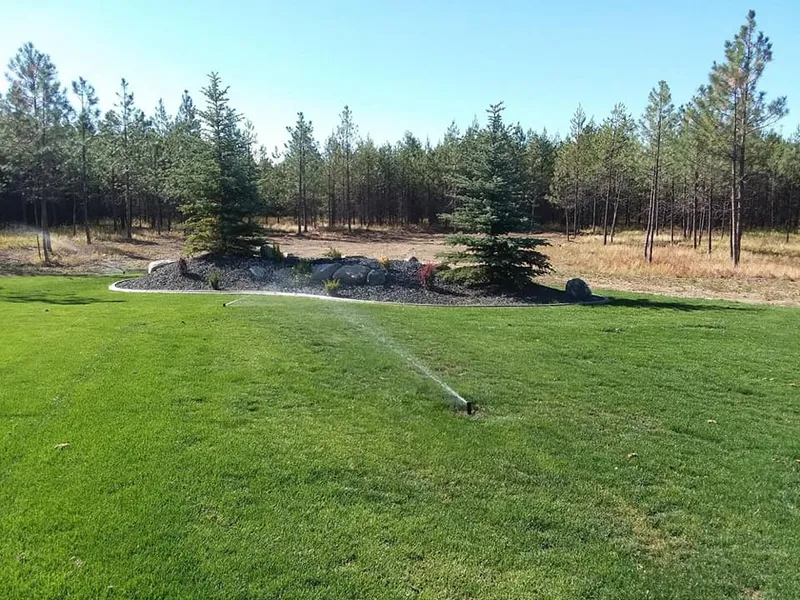
Head longevity, pipe protection,
and water you're actually buying.
Kootenai County Water Pressure Is System-Hostile Without Control
Post Falls Utilities, Hayden Area Regional Water, and CDA water districts routinely deliver 80–120 PSI at the meter to maintain fire-flow standards across their distribution grids. Most residential irrigation heads are rated for 30–70 PSI operating pressure. Running Hunter or Rain Bird rotary heads at 100 PSI produces misting, extreme precipitation rates on short turf, and head wear rates that cut product lifespan from 10 years to 3–4 years.
Misting Wastes Water and Kills Distribution Uniformity
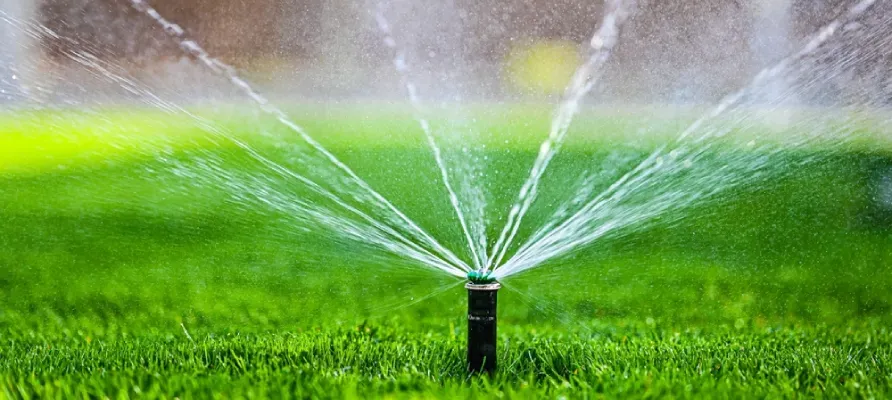
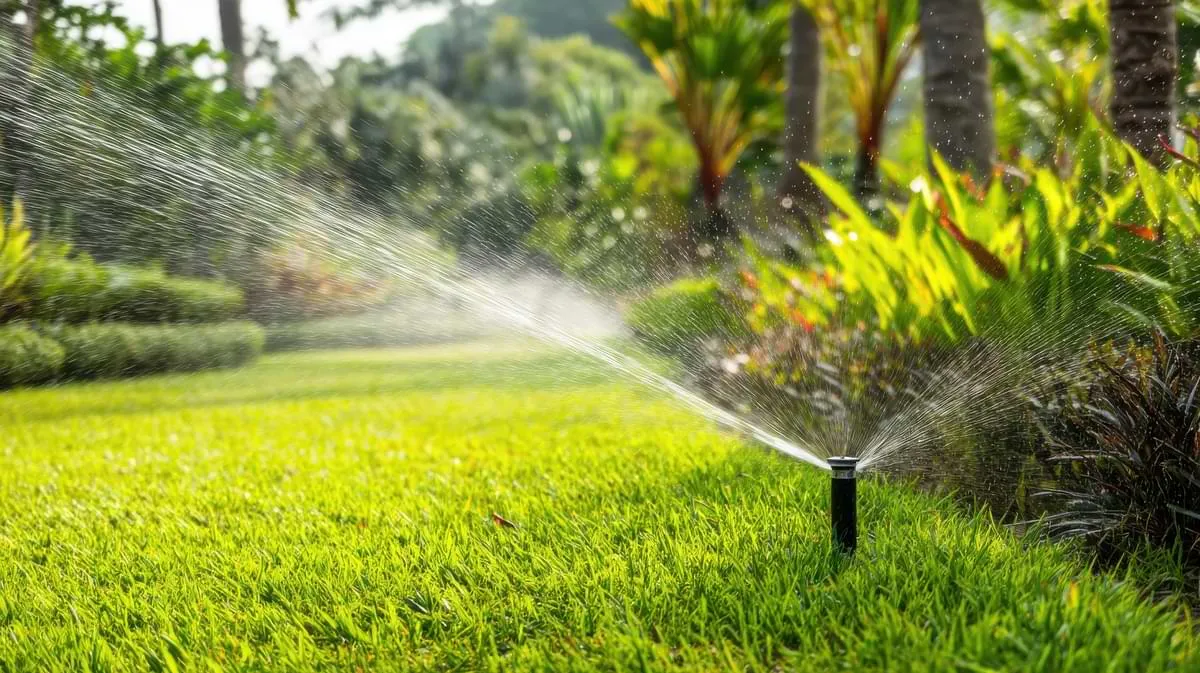
High-pressure misting converts irrigation water into a fine fog that evaporates before reaching root zones and drifts off-target in North Idaho's prevailing southwest winds. A system misting your turf at 90 PSI may actually be delivering 40–50% of its intended water volume to your lawn — the rest evaporates or lands on hardscaping. Proper PRV installation eliminates misting and restores distribution uniformity to manufacturer specifications.
Pipe Joint and Fitting Protection
Residential irrigation poly pipe and fittings are typically rated for 80 PSI — a specification that sounds adequate until water hammer is factored in. Every valve opening creates a pressure surge that can briefly spike 20–30 PSI above static pressure. At a baseline of 100 PSI static, those spikes reach 120–130 PSI, which fractures barbed fittings, blows insert couplings, and splits poly pipe at the glue line. A PRV set at 55 PSI eliminates the failure zone entirely.
Return on Investment Is Measurable and Fast
A properly specified mainline PRV costs $180–$380 installed depending on valve size and access. A single blown poly mainline repair — including excavation, pipe, fittings, and labor — runs $300–$700. PRV-protected heads last two to three times longer than unprotected heads in high-pressure conditions. The investment recovers in most installations within one to two irrigation seasons through avoided repairs and reduced water consumption.
From gauge test to final
pressure verification.
Mainline PRV Installation
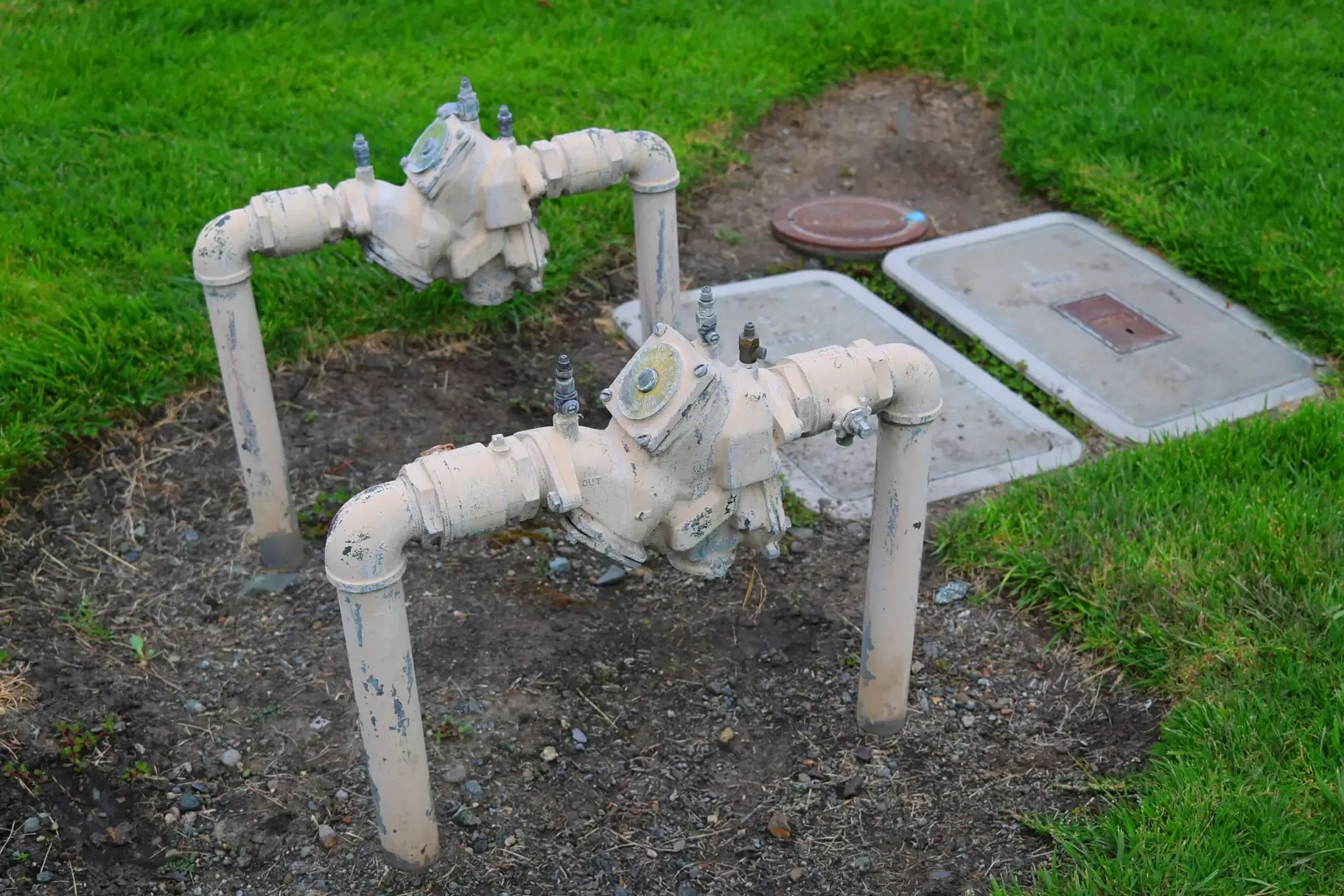
A single inline PRV installed on the mainline ahead of your backflow preventer reduces system-wide inlet pressure to the target operating range — typically 45–65 PSI for residential rotary and spray heads. LP selects the correct valve body size (3/4″ or 1″ for most residential mains) and inlet-to-outlet pressure ratio to match your Kootenai County water district's delivery pressure, which commonly runs 80–120 PSI.
Zone-Level Pressure Regulation
For properties with high variability between elevation zones — common on post Falls hillside lots — LP installs individual PRVs at each zone valve rather than relying on a single mainline unit. This approach allows precise head-level pressure tuning by zone, preventing over-pressurization on lower zones while maintaining adequate pressure for uphill zones that need every PSI available.
Pressure-Regulating Stem Retrofits
Hunter, Rain Bird, and Toro all manufacture pressure-regulating (PR) stems that install inside standard pop-up spray and rotor bodies, capping nozzle pressure at the factory-rated maximum — typically 30 PSI for spray heads. LP retrofits PR stems into existing heads as the lowest-cost pressure correction option when mainline PRV installation is not economically justified, or as a zone-by-zone supplement.
System Pressure Diagnostic
Before specifying any PRV solution, LP performs a static and dynamic pressure assessment using a calibrated gauge at the hose bib and at representative zone valves. Static pressure establishes the baseline from the water district. Dynamic pressure — measured during an active zone run — reveals flow-related drops that affect actual head performance. This data drives PRV sizing decisions, not guesswork.
PRV Testing & Recalibration
Existing PRVs degrade over time — internal springs fatigue, seats wear, and mineral deposits from North Idaho hard water accumulate on the disc and seat surfaces. LP tests existing PRVs for correct set-point delivery and adjusts or replaces units that are no longer holding their rated outlet pressure. A PRV that has drifted 15–20 PSI high is as damaging as having no PRV at all.
Repair vs. Replacement Assessment
Some PRV failures — clogged strainer screens, worn O-rings, shifted adjustment springs — are field-repairable in under an hour. Cracked valve bodies, failed diaphragms, or valves with mineral-locked adjustment screws typically require full replacement. LP gives you a straight assessment with parts and labor costs for both options so you can make the decision that makes economic sense for your installation.
Frequently Asked Questions
Free Estimate