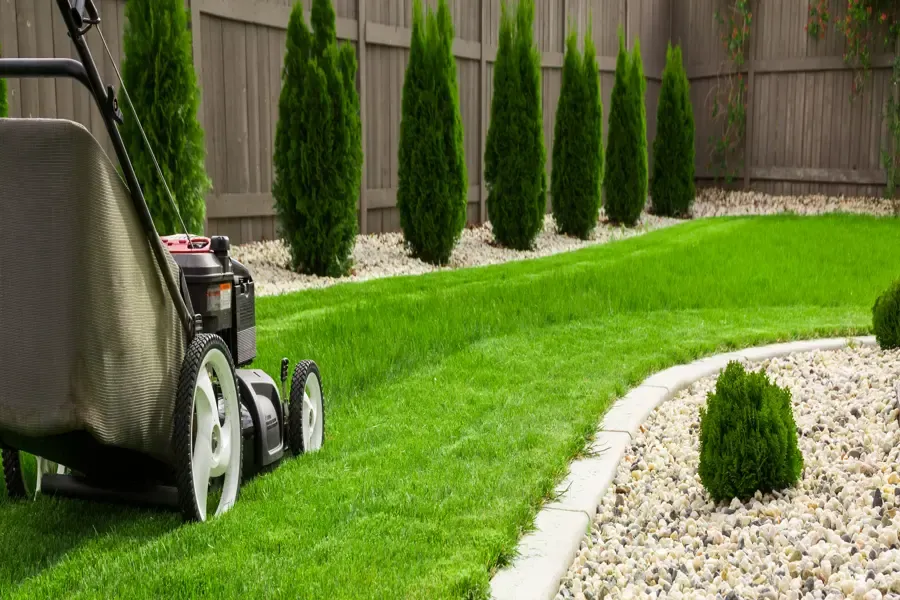
North Idaho landscaping guide and educational resource featuring seasonal timing context supporting stronger maintenance habits in Post Falls, Coeur d'Alene, and North Idaho
September – October · Fall Transition

Overseed bare patches before soil temps drop below 50°F

Fall overseeding takes advantage of cooler temperatures, consistent moisture, and reduced weed competition to give new grass seed the best possible establishment conditions. In North Idaho, the window is narrow — usually mid-August through mid-September.

Why This Matters in North Idaho

Post Falls soil temperatures drop below the 50°F germination threshold for cool-season grasses by mid-October. Seed planted after this will sit dormant, exposed to winter heaving, bird predation, and desiccation without establishing. Timing is everything.

Step-by-Step

  1. 1

    Check soil temperature daily

    Use a soil thermometer at 2-inch depth. Ideal fall overseeding window: soil temps between 50–65°F. Above 70°F is too warm for good germination; below 50°F and germination stops.

  2. 2

    Prepare the surface

    Rough up the bare area with a steel rake, core aerate, or slice with a slit-seeder. Seed-to-soil contact is the single biggest success factor.

  3. 3

    Select appropriate seed blend

    Same rule as spring: Tall Fescue/Bluegrass blend for sun, Creeping Red Fescue for shade under North Idaho conifers. Avoid cheap contractor mixes with annual ryegrass — they're not persistent.

  4. 4

    Seed at renovation rate

    6–8 lbs per 1,000 sq ft for bare areas. 3–4 lbs per 1,000 sq ft for thin overseeding into existing turf.

  5. 5

    Keep moist through germination

    New seed cannot dry out. In September, this typically means 1–2 short irrigation cycles daily until germination (14–21 days). Once seed has germinated, transition to deeper, less frequent cycles.

Pro Tips from 20 Years in the Field
  • If you miss the fall window, wait for spring rather than seeding in late October — dormant-seeded lawns have poor results in North Idaho.
  • Avoid foot traffic on newly seeded areas for at least 4 weeks after germination. New roots are fragile.
  • A topdress of compost (¼ inch) over the seeded area dramatically improves moisture retention through the critical germination period.

When to Call LandscapePros

Our fall aeration and overseeding package is timed to North Idaho soil temperatures. We track soil temps and schedule accordingly so you don't miss the window.

Family-Owned Since 2005

Let us handle the whole calendar.

From spring cleanup to winter dormancy — we know what North Idaho landscapes need, season by season.

September – October

Overseed bare patches before soil temps drop below 50°F: Questions We Get Asked

Post Falls soil temperatures drop below the 50°F germination threshold for cool-season grasses by mid-October. Seed planted after this will sit dormant, exposed to winter heaving, bird predation, and desiccation without establishing. Timing is everything.

Get Seasonal Tips
Why overseed in the fall rather than spring?
Because the soil is still warm, the days are shortening so seedlings are not stressed by heat, and fall rain is reliable. Fall-seeded grass establishes a root system all winter and is the first thing to green up in spring. Spring seed fights germinating weeds for the same window and then has to survive summer heat before it is established.
When do I stop overseeding in the fall?
When soil temperature drops below 50°F — usually early to mid-October in Post Falls. Below that, seed simply sits. There is a narrow window where the soil is warm enough to germinate but the air is cool enough that nothing is growing to compete with it. Miss that window and you are wasting seed.
Should I dethatch before fall overseeding?
Only if the thatch layer exceeds half an inch. Otherwise, core aerate instead and overseed into the holes — you get the seed-to-soil contact without opening a wound the size of a golf ball. In fall, the holes close on their own within about two weeks as the lawn actively grows.
What seed blend for a fall overseed?
The same cool-season blend you would use in spring: perennial ryegrass for fast germination, with fescue and Kentucky bluegrass for long-term structure. Perennial ryegrass is nearly twice as likely to establish before frost, which is what you want in a fall window. Avoid anything warm-season.
Coeur d'Alene Post Falls Hayden Rathdrum Spirit Lake Dalton Gardens Athol Moscow Genesee Troy Potlatch Deary Sandpoint Ponderay Priest River Dover Kootenai Kellogg Pinehurst Osburn Wallace Smelterville St. Maries Plummer Coeur d'Alene Post Falls Hayden Rathdrum Spirit Lake Dalton Gardens Athol Moscow Genesee Troy Potlatch Deary Sandpoint Ponderay Priest River Dover Kootenai Kellogg Pinehurst Osburn Wallace Smelterville St. Maries Plummer Coeur d'Alene Post Falls Hayden Rathdrum Spirit Lake Dalton Gardens Athol Moscow Genesee Troy Potlatch Deary Sandpoint Ponderay Priest River Dover Kootenai Kellogg Pinehurst Osburn Wallace Smelterville St. Maries Plummer Coeur d'Alene Post Falls Hayden Rathdrum Spirit Lake Dalton Gardens Athol Moscow Genesee Troy Potlatch Deary Sandpoint Ponderay Priest River Dover Kootenai Kellogg Pinehurst Osburn Wallace Smelterville St. Maries Plummer
Call Now Book Free Estimate