
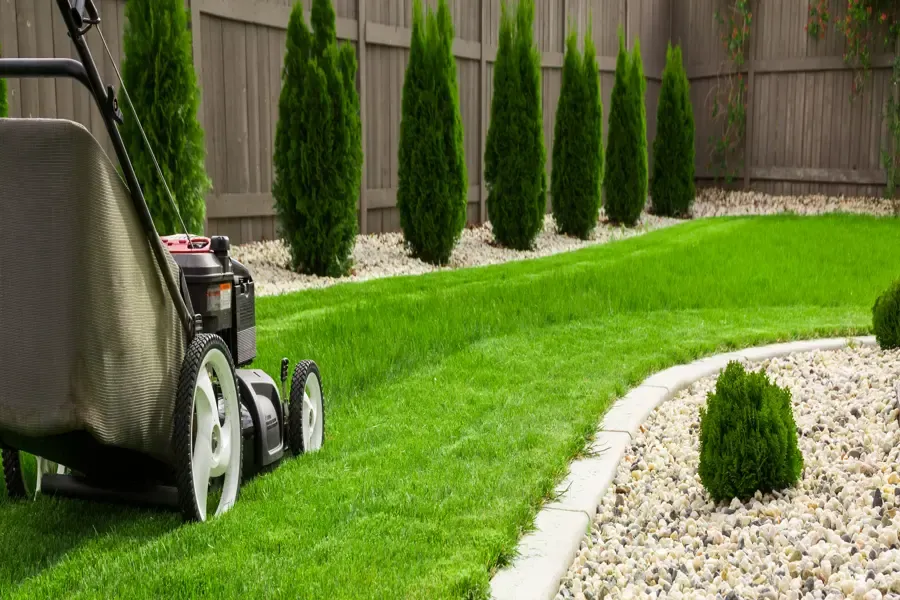
Dethatch and rake winter debris from all turf areas
After a North Idaho winter, your turf is buried under dead grass, matted leaves, and ice-damaged crowns. Dethatching clears the way for your soil to breathe and your lawn to green up weeks faster.
Kootenai County winters create a dense thatch layer faster than warmer climates — the combination of slow decomposition, freeze-thaw compression, and heavy leaf fall from the Northwest's native conifers means spring cleanup is non-negotiable here.
Step-by-Step
- 1
Wait for the right window
Don't start too early. Let the top 2 inches of soil firm up after snowmelt — usually mid-March to early April in Post Falls. Working soggy turf tears crowns and compacts soil.
- 2
Rake leaf litter and debris first
Use a standard leaf rake to clear sticks, pine cones, and surface debris. Pile and compost if no disease is present; bag if you see gray snow mold patches.
- 3
Dethatch cool-season turf (optional, not every year)
Fescue and Kentucky Bluegrass blends — common in North Idaho — build thatch slowly. Use a dethatching rake or power rake only if the thatch layer exceeds ½ inch. Over-dethatching damages roots.
- 4
Bag and dispose of thatch material
Do not compost dethatched material if snow mold was present. Bag separately for waste collection.
- 5
Apply a light topdress
After dethatching, a thin application of compost (¼ inch) accelerates microbial activity and helps turf recover faster.
- Check for snow mold (gray or pink circular patches) before raking — aggressive raking can spread spores. Let affected areas dry first.
- A dethatching pass right before overseeding dramatically improves seed-to-soil contact.
- Never dethatch dormant turf — wait until you see active green growth emerging.
When to Call LandscapePros
If your lawn has significant snow mold damage, uneven terrain from heaving, or you're overseeding a large area, our spring cleanup crews can dethatch, overseed, and top-dress in one visit.
Let us handle the whole calendar.
From spring cleanup to winter dormancy — we know what North Idaho landscapes need, season by season.
Dethatch and rake winter debris from all turf areas: Questions We Get Asked
Kootenai County winters create a dense thatch layer faster than warmer climates — the combination of slow decomposition, freeze-thaw compression, and heavy leaf fall from the Northwest's native conifers means spring cleanup is non-negotiable here.
Get Seasonal Tips